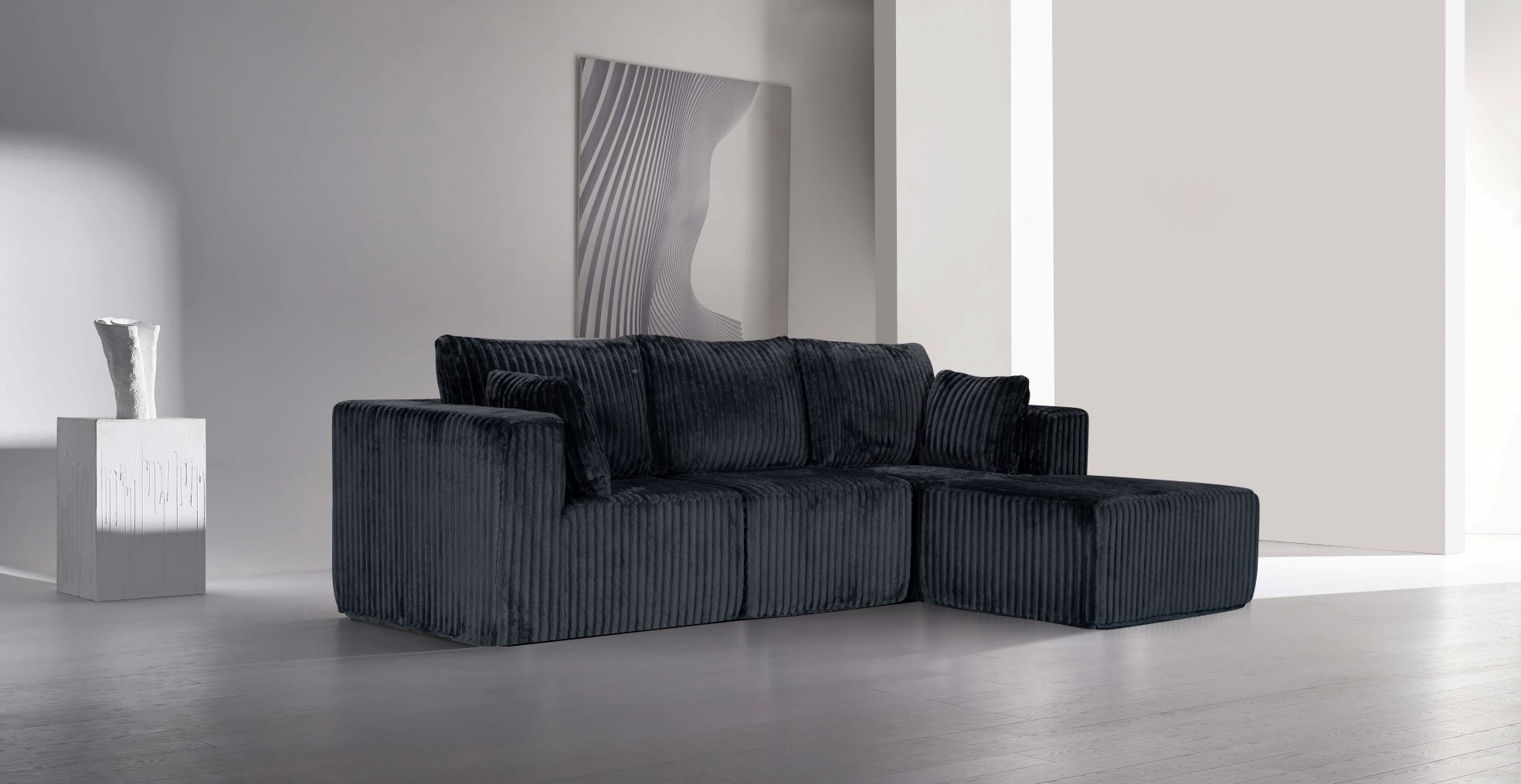
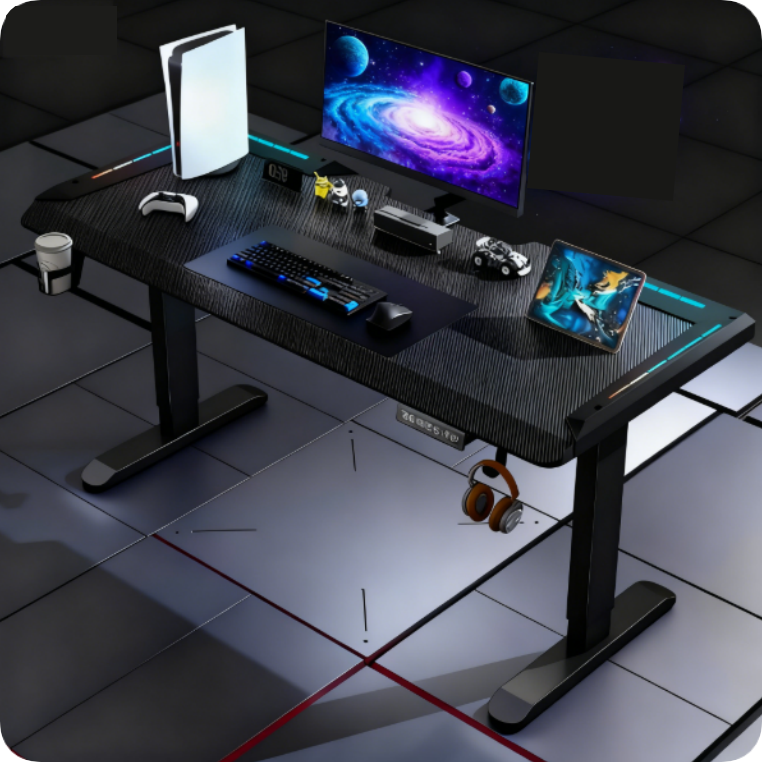
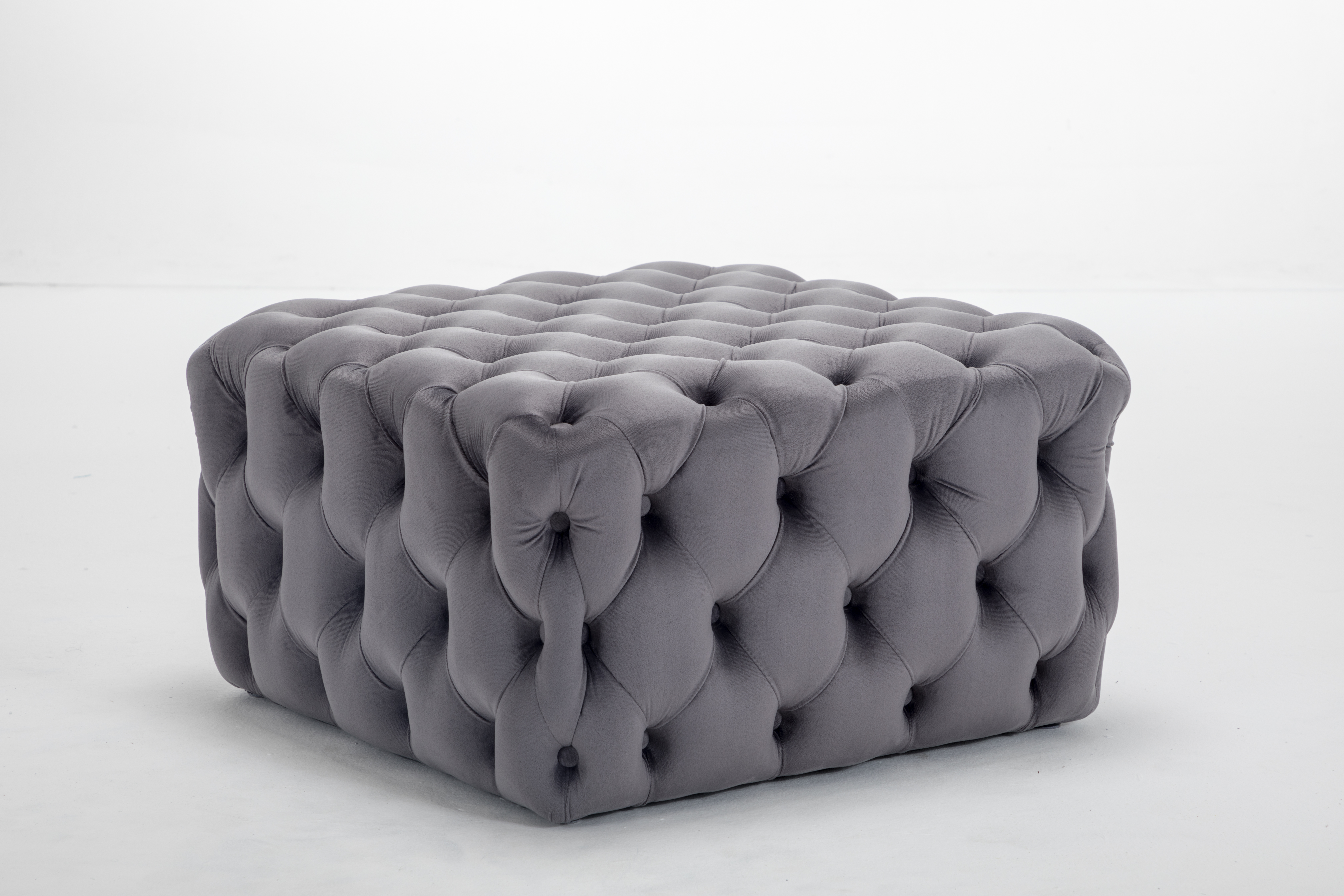
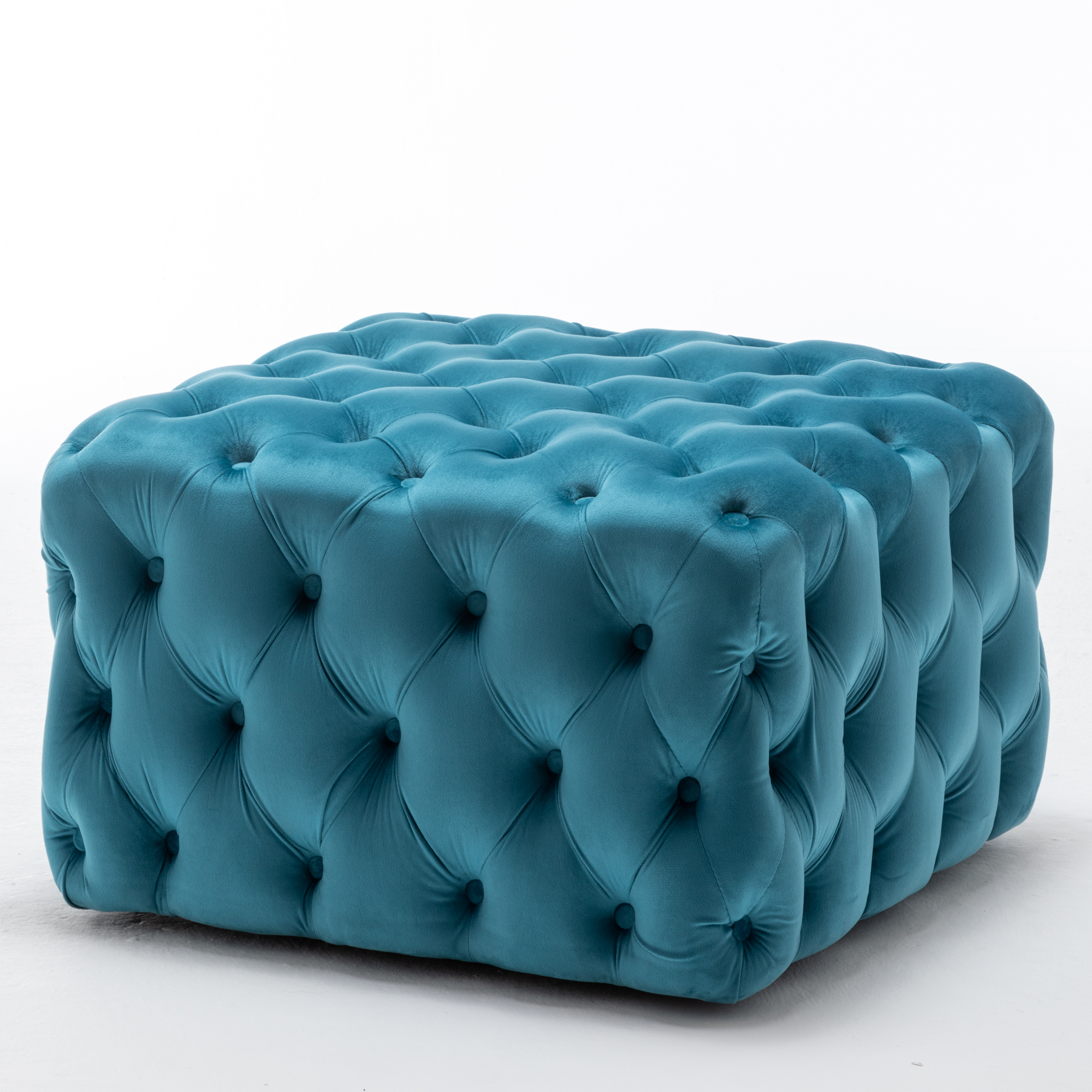
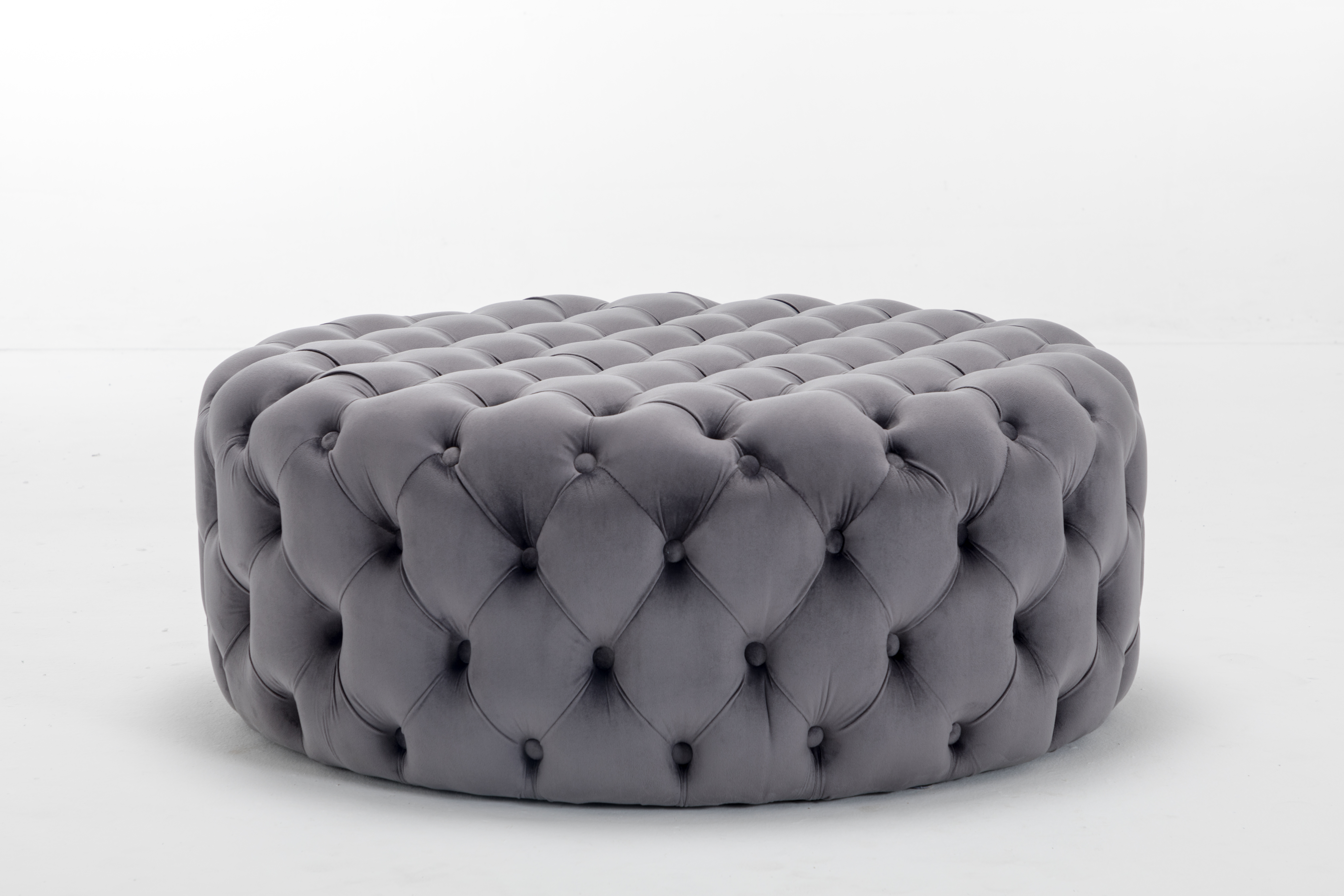
office ottoman
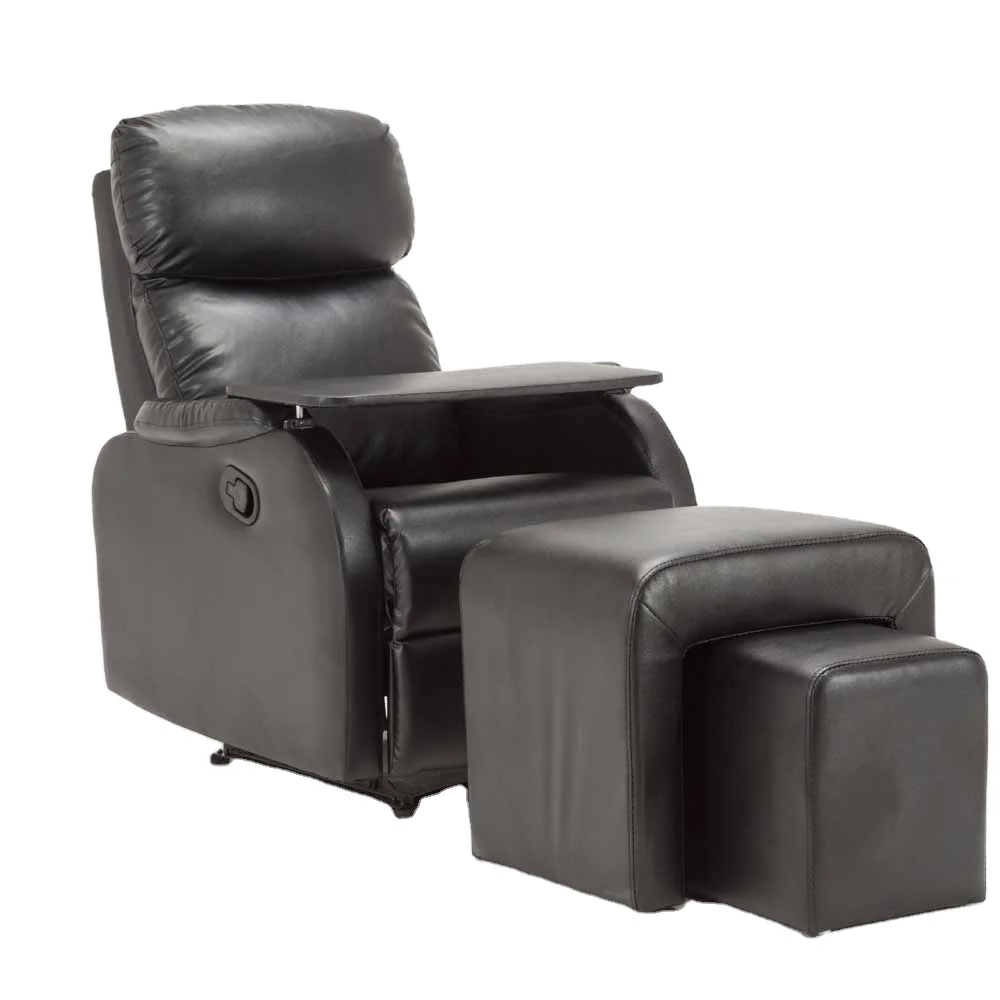
An office ottoman is a versatile furniture piece designed to enhance comfort and functionality in professional work environments. This practical addition serves multiple purposes beyond traditional seating, making it an excellent investment for modern offices. The office ottoman combines aesthetic appeal with exceptional utility, offering employees and professionals a dedicated space to rest their feet, elevate their legs, or create additional seating when needed.
The primary function of an office ottoman is to provide ergonomic support that reduces strain on the lower body during extended work periods. By allowing users to elevate their feet, an office ottoman promotes better circulation and decreases pressure on the spine, contributing to improved posture and overall comfort. Many contemporary office ottoman designs incorporate technological features such as integrated storage compartments, USB charging ports, and adjustable height mechanisms that adapt to individual preferences.
An office ottoman typically features durable upholstery materials that withstand daily use in bustling workplace settings. The design accommodates various applications, from executive suites to collaborative open spaces. Modern office ottoman options come in numerous styles, colors, and materials, ensuring compatibility with any office aesthetic.
Beyond comfort, an office ottoman serves as a practical solution for space optimization. Its compact footprint makes it ideal for offices where square footage is limited. The office ottoman can function as a footrest, additional seating, or even a small side table, depending on individual needs. This multifunctional approach has made the office ottoman increasingly popular among workspace designers and employees seeking to create more comfortable, productive work environments.