
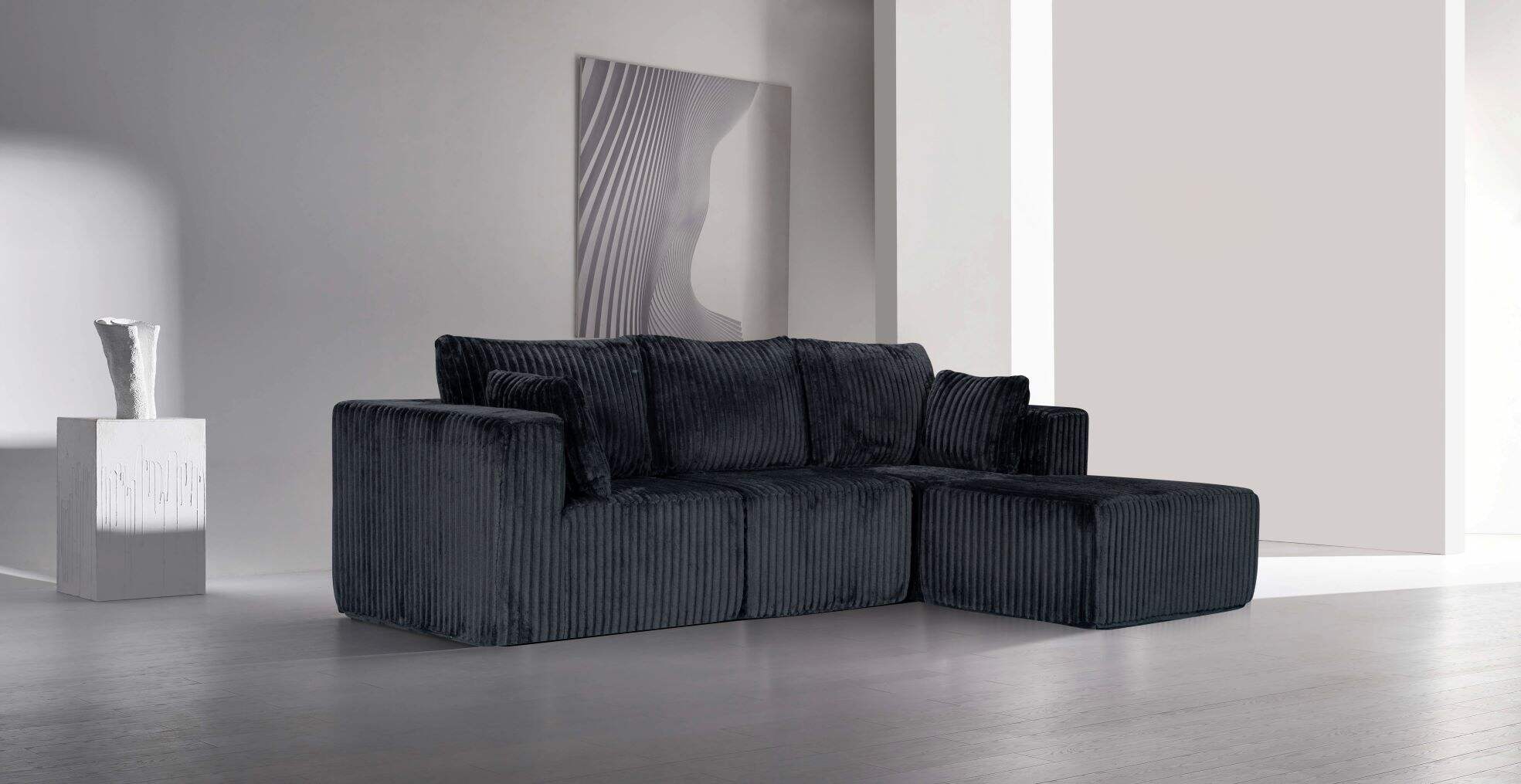
When purchasing a compressed sofa, understanding the packaging specifications and requirements becomes crucial for making an informed decision. The compressed sofa packaging process involves sophisticated compression techniques that reduce the furniture's shipping volume by up to 80%, making it more cost-effective for both manufacturers and buyers to transport and store these products before final assembly.

The packaging evaluation process for compressed sofa purchases requires buyers to examine multiple technical and practical factors that directly impact product quality, delivery efficiency, and end-user satisfaction. Understanding these packaging elements helps buyers assess whether the compressed sofa meets their specific storage, transportation, and assembly requirements while ensuring the furniture maintains its structural integrity throughout the compression and decompression cycle.
Compression Technology and Material Protection
Vacuum Compression Methods
Modern compressed sofa packaging utilizes advanced vacuum compression technology that removes air from specially designed protective bags while maintaining the furniture's structural components. This compression method requires buyers to review the vacuum-sealing quality, as poor sealing can lead to partial decompression during transit, affecting the compressed sofa's final dimensions and comfort level.
The compression ratio typically ranges from 5:1 to 8:1, meaning the compressed sofa occupies significantly less space than its original form. Buyers should verify that the packaging specifications clearly indicate the compression ratio and expected decompression timeline, as different foam densities and spring systems respond differently to compression forces.
Quality compressed sofa packaging includes multiple layers of protection, starting with a moisture-resistant inner liner, followed by a heavy-duty vacuum bag, and finally an outer protective covering. Each layer serves a specific purpose in maintaining the furniture's condition during the compression period, which can extend from several weeks to several months depending on the distribution chain.
Material Compatibility Assessment
Different upholstery materials respond uniquely to compression packaging, making material compatibility a critical review factor for compressed sofa buyers. Synthetic fabrics generally handle compression better than natural materials, while leather requires special treatment to prevent cracking or permanent creasing during the compressed state.
Memory foam and high-resilience foam cores typically recover their original shape within 24-48 hours after decompression, but buyers should confirm that the compressed sofa packaging includes specific recovery time estimates. Spring systems may require longer recovery periods and should include detailed instructions for optimal decompression procedures.
The packaging documentation should specify any material-specific handling requirements, temperature limitations, and humidity controls necessary to maintain the compressed sofa's quality. These specifications become particularly important for buyers in extreme climate conditions or those planning extended storage periods.
Packaging Dimensions and Logistics Considerations
Space Efficiency Analysis
Compressed sofa packaging dimensions directly impact shipping costs, storage requirements, and handling capabilities throughout the supply chain. Buyers should review the compressed dimensions against their available storage space, delivery vehicle limitations, and final installation location accessibility to ensure seamless logistics coordination.
Standard compressed sofa packages typically measure 30-50% of the original furniture dimensions, but buyers must verify exact measurements for their specific model. The packaging should clearly indicate both compressed and expanded dimensions, along with weight specifications for both states, enabling accurate logistics planning.
Stackability becomes another important consideration, as compressed sofa packages are often designed to maximize warehouse and transportation efficiency. Buyers should confirm that the packaging design allows safe stacking without compromising the compression integrity or causing damage to the furniture inside.
Handling and Transportation Requirements
The compressed sofa packaging must include clear handling instructions, weight distribution guidelines, and any special transportation requirements. Heavy-duty compressed sofa packages may require specific lifting equipment or multiple-person handling procedures to prevent injury and maintain packaging integrity.
Temperature and humidity tolerance specifications should be clearly documented, as extreme conditions can affect the compression materials and the furniture's recovery ability. Buyers operating in regions with significant climate variations should prioritize compressed sofa packaging that includes environmental protection features.
The packaging should also specify any orientation requirements during transportation and storage, as some compressed sofa designs may be sensitive to prolonged positioning on certain sides. This information helps buyers coordinate with logistics providers and ensures proper handling throughout the delivery process.
Quality Assurance and Safety Standards
Packaging Integrity Verification
Buyers should establish clear quality control procedures for inspecting compressed sofa packaging upon receipt, including visual inspection of the outer packaging for damage, verification of vacuum seal integrity, and confirmation that all required documentation and assembly materials are included.
The packaging should include tamper-evident seals or indicators that allow buyers to verify that the compressed sofa has not been compromised during shipping. Any signs of packaging damage, partial decompression, or missing components should be documented immediately for warranty and quality assurance purposes.
Quality compressed sofa packaging includes detailed inspection checklists that guide buyers through the verification process, ensuring that all critical components are present and in proper condition before initiating the decompression and assembly process.
Safety and Compliance Documentation
Compressed sofa packaging must include comprehensive safety documentation covering decompression procedures, handling precautions, and any potential hazards associated with the vacuum-sealed packaging materials. This documentation protects both buyers and end-users while ensuring compliance with relevant safety regulations.
Fire safety ratings, chemical emission certifications, and material compliance documentation should be readily accessible within the packaging. Buyers should verify that the compressed sofa meets their local safety standards and building codes, particularly for commercial or institutional applications.
The packaging should clearly identify any components that require special disposal procedures, recycling instructions, or environmental considerations. This information helps buyers plan for responsible packaging disposal and demonstrates the manufacturer's commitment to environmental stewardship.
Assembly and Decompression Protocols
Step-by-Step Decompression Process
Proper decompression procedures are critical for achieving optimal compressed sofa performance and longevity. The packaging should include detailed, illustrated instructions that guide buyers through each step of the decompression process, from initial package opening to final furniture positioning.
The decompression timeline varies depending on the compressed sofa design, materials, and environmental conditions. Buyers should review the expected recovery schedule and plan accordingly, as some models may require 72 hours or more to achieve full expansion and optimal comfort levels.
Temperature and humidity recommendations for optimal decompression should be clearly specified, as these environmental factors significantly impact the recovery process. Buyers should ensure they can maintain appropriate conditions during the critical decompression period.
Assembly Hardware and Tools
Complete compressed sofa packaging should include all necessary hardware, tools, and assembly components required for final furniture setup. Buyers should verify that the hardware package is complete and that all components meet quality standards before beginning assembly.
The packaging should clearly identify which tools are included versus those that buyers must provide separately. This information helps buyers prepare for the assembly process and avoid delays due to missing equipment or hardware.
Quality control procedures should extend to the hardware components, ensuring that all fasteners, brackets, and assembly tools meet durability and safety requirements. Buyers should inspect these components as part of their overall package review process.
Cost Analysis and Value Assessment
Packaging Cost Implications
The compressed sofa packaging approach significantly impacts total product cost through reduced shipping expenses, lower storage requirements, and improved handling efficiency. Buyers should evaluate these cost benefits against any potential drawbacks, such as extended delivery times or additional assembly requirements.
Shipping cost savings can range from 40-60% compared to traditional furniture delivery, making compressed sofa options particularly attractive for long-distance shipments or international purchases. Buyers should request detailed cost breakdowns that clearly identify packaging-related savings versus standard delivery methods.
Storage cost reductions benefit both retailers and end-users, as compressed sofa packaging requires significantly less warehouse space and allows for more flexible inventory management. These efficiencies often translate to lower consumer prices and improved product availability.
Long-Term Value Considerations
Buyers should assess the long-term value implications of compressed sofa packaging, including potential impacts on furniture lifespan, warranty coverage, and resale value. Quality compression packaging should not negatively affect the furniture's durability or performance characteristics when proper procedures are followed.
Warranty terms may differ for compressed sofa products, particularly regarding issues that could be related to the compression and decompression process. Buyers should review warranty documentation carefully and understand any specific requirements for maintaining coverage.
The compressed sofa packaging approach can actually improve product protection during shipping and storage, potentially reducing damage rates and improving overall customer satisfaction. These quality improvements contribute to long-term value and justify the investment in advanced packaging technology.
FAQ
How long can a compressed sofa remain in its packaging before decompression?
Most compressed sofa packaging is designed to maintain product integrity for 6-12 months under proper storage conditions. However, manufacturers typically recommend decompression within 3-6 months for optimal recovery and performance. Extended compression periods may affect the foam's recovery ability and overall comfort levels, so buyers should plan their delivery and installation timeline accordingly.
What environmental conditions are required for proper compressed sofa decompression?
Optimal decompression occurs in temperatures between 65-75°F with relative humidity levels of 30-50%. The decompression area should be well-ventilated and free from direct sunlight or heat sources. Buyers should avoid decompressing in extremely cold or hot conditions, as temperature affects the foam's ability to return to its original shape and firmness levels.
Are there any quality differences between compressed and traditionally packaged sofas?
When manufactured and packaged correctly, compressed sofas offer identical quality and performance to traditionally packaged furniture. The compression process is specifically designed to preserve the furniture's structural integrity and comfort characteristics. However, buyers should verify that the manufacturer uses appropriate compression techniques and high-quality materials designed for the compression and recovery cycle.
What should buyers do if their compressed sofa doesn't fully expand after decompression?
If a compressed sofa doesn't achieve full expansion within the specified timeframe, buyers should first verify that environmental conditions meet manufacturer recommendations and that all packaging was removed correctly. Gentle manipulation and allowing additional recovery time often resolves minor expansion issues. If problems persist beyond 72 hours, buyers should contact the manufacturer immediately, as this may indicate packaging damage or product defects covered under warranty.
Table of Contents
- Compression Technology and Material Protection
- Packaging Dimensions and Logistics Considerations
- Quality Assurance and Safety Standards
- Assembly and Decompression Protocols
- Cost Analysis and Value Assessment
-
FAQ
- How long can a compressed sofa remain in its packaging before decompression?
- What environmental conditions are required for proper compressed sofa decompression?
- Are there any quality differences between compressed and traditionally packaged sofas?
- What should buyers do if their compressed sofa doesn't fully expand after decompression?