

Selecting the perfect accent chair for interior design projects requires a strategic approach that balances aesthetic appeal with functional requirements. An accent chair serves as both a focal point and a complementary element that can transform the entire atmosphere of a space. The selection process involves evaluating multiple factors including room scale, existing furniture harmony, client preferences, and intended usage patterns to ensure the chosen piece enhances rather than overwhelms the overall design scheme.
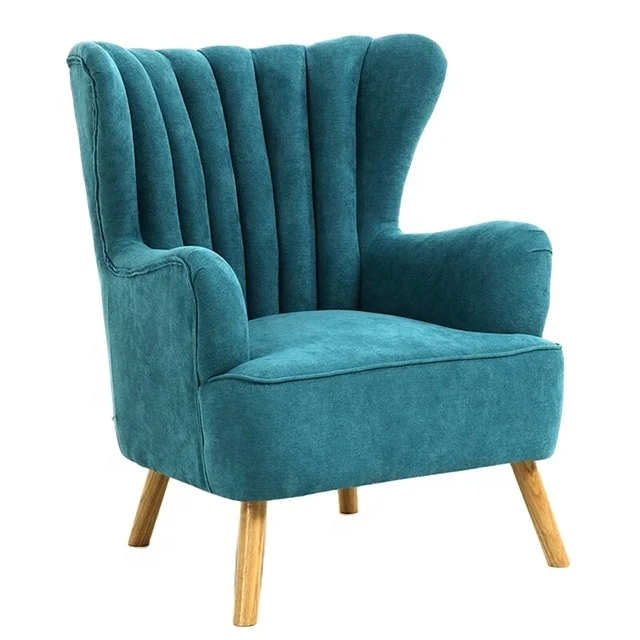
Professional interior designers understand that an accent chair must integrate seamlessly with the project's design narrative while providing practical value to the end users. The decision-making process extends beyond visual appeal to encompass material durability, maintenance requirements, budget constraints, and long-term design sustainability. This comprehensive selection approach ensures that the accent chair becomes a lasting design investment rather than a temporary decorative element that may require replacement within a few years.
Understanding Space Requirements and Scale Considerations
Measuring Room Dimensions and Traffic Flow
The foundation of selecting an appropriate accent chair begins with accurate space assessment and understanding how the piece will function within the room's traffic patterns. Professional designers must measure not only the available floor space but also consider ceiling height, doorway clearances, and the relationship between the accent chair and other furniture pieces. A well-positioned accent chair should allow for comfortable movement around the space while maintaining visual balance with existing elements.
Room scale directly influences the size and style of accent chair that will work effectively in the space. Large rooms with high ceilings can accommodate oversized accent chairs with bold designs, while compact spaces require more streamlined options that maximize visual impact without overwhelming the area. The accent chair should complement the room's proportions rather than compete with architectural features or dominant furniture pieces.
Evaluating Furniture Relationships and Spacing
An accent chair must establish harmonious relationships with surrounding furniture while maintaining appropriate spacing for functionality and visual comfort. The distance between an accent chair and coffee tables, side tables, or entertainment centers affects both usability and aesthetic appeal. Standard spacing guidelines suggest maintaining 14-18 inches between an accent chair and coffee tables, while allowing 24-36 inches for walkways around the seating area.
The accent chair's relationship with primary seating arrangements requires careful consideration to ensure balanced conversation areas and optimal sight lines. Whether positioned as part of a furniture grouping or as a standalone statement piece, the accent chair should enhance the room's functional zones while contributing to the overall design cohesion. This positioning strategy ensures that the accent chair serves its intended purpose without disrupting established traffic patterns.
Material Selection and Durability Assessment
Fabric and Upholstery Considerations
The upholstery material of an accent chair significantly impacts both its aesthetic contribution and long-term performance in interior design projects. High-traffic commercial spaces require durable fabrics with excellent wear resistance, while residential applications may prioritize comfort and visual appeal. Performance fabrics offer excellent stain resistance and cleanability, making them ideal for families with children or pets, while luxury materials like velvet or silk provide elegant aesthetics for formal settings.
Color fastness and fade resistance become critical factors when selecting accent chair upholstery for spaces with significant natural light exposure. Professional-grade fabrics typically offer superior colorfastness compared to residential options, ensuring that the accent chair maintains its intended appearance throughout the project's lifespan. The selected material should also complement the room's existing color palette while providing the desired level of texture contrast or harmony.
Frame Construction and Structural Integrity
The structural foundation of an accent chair determines its longevity and ability to withstand regular use in interior design projects. Hardwood frames constructed from kiln-dried lumber provide superior stability and durability compared to particleboard or softwood alternatives. Reinforced joints, quality hardware, and proper construction techniques ensure that the accent chair maintains its structural integrity under normal usage conditions.
Suspension systems and cushioning materials directly affect comfort levels and long-term performance of the accent chair. Eight-way hand-tied springs offer superior support and durability compared to sinuous springs or webbing systems, while high-density foam cushioning maintains its shape and comfort over extended periods. These structural elements may not be immediately visible but significantly impact the accent chair's performance and client satisfaction with the completed project.
Style Integration and Design Harmony
Coordinating with Existing Design Elements
Successful accent chair selection requires careful analysis of the existing design elements to ensure stylistic coherence throughout the space. The accent chair should either complement the established design theme through harmonious elements or provide intentional contrast that enhances the overall composition. Traditional interiors may benefit from classic accent chair styles with refined details, while contemporary spaces often accommodate bold, sculptural designs that serve as artistic focal points.
Color coordination between the accent chair and existing elements requires strategic planning to achieve the desired visual impact. The accent chair can echo colors found in artwork, window treatments, or decorative accessories, creating visual connections that unify the space. Alternatively, the accent chair can introduce a new color that becomes a recurring element throughout the room, establishing a more dynamic and layered design approach.
Balancing Patterns and Textures
Pattern mixing requires expertise to prevent visual chaos while creating engaging and sophisticated interior compositions. An accent chair with bold patterns works best in spaces with predominantly solid-colored elements, while subtle patterns or textures can complement existing patterned elements without overwhelming the visual field. The scale of patterns must also be considered, with large-scale patterns requiring more visual breathing room than smaller, more intricate designs.
Texture variation adds depth and interest to interior spaces, and an accent chair provides an excellent opportunity to introduce tactile elements that enhance the sensory experience. Smooth leather accent chairs create sophisticated contrast against rough textiles or natural materials, while plush velvet options add luxury and warmth to minimalist or industrial settings. The selected texture should align with the project's overall design goals and intended atmosphere.
Functional Requirements and User Needs
Identifying Primary Usage Patterns
Understanding how clients will actually use the accent chair informs selection decisions that prioritize appropriate comfort levels and functional features. Reading chairs require different ergonomic considerations than conversation seating, while accent chairs intended primarily for visual impact can prioritize form over extended comfort. Commercial applications may require easy maintenance and robust construction, while residential projects can accommodate more delicate materials and specialized features.
The accent chair's intended users also influence selection criteria, particularly regarding seat height, depth, and overall dimensions. Elderly users may require higher seat heights and supportive armrests, while younger demographics might prefer lower, more casual seating options. Accommodation requirements for different body types and physical needs ensure that the accent chair serves its functional purpose while maintaining its aesthetic contribution to the space.
Maintenance and Longevity Planning
Long-term maintenance requirements significantly impact the total cost of ownership for accent chair selections in interior design projects. Easy-care materials and finishes reduce ongoing maintenance burdens, while specialty fabrics may require professional cleaning services that increase operational costs. The selected accent chair should align with the client's maintenance capabilities and preferences to ensure sustained satisfaction with the design investment.
Consideration of future reupholstering possibilities extends the useful life of quality accent chair frames while allowing for design updates over time. Classic frame designs with timeless proportions provide flexibility for future fabric changes, while highly stylized or trendy designs may become dated before the frame reaches the end of its structural life. This forward-thinking approach ensures that accent chair selections remain relevant and functional throughout changing design preferences.
Budget Planning and Value Assessment
Establishing Cost Parameters and Priorities
Effective budget planning for accent chair selection requires balancing immediate cost considerations with long-term value propositions. Higher-quality accent chairs with superior construction and materials typically command premium pricing but offer better durability and sustained aesthetic appeal. The total project budget must accommodate not only the accent chair purchase price but also potential delivery, assembly, and installation costs.
Priority assessment helps determine where to allocate budget resources for maximum impact within the overall design project. An accent chair serving as a primary focal point may justify a larger budget allocation compared to supplementary seating that plays a supporting role in the composition. Clear budget parameters enable more focused shopping and prevent scope creep that could compromise other project elements.
Evaluating Long-Term Investment Value
The investment value of an accent chair extends beyond immediate aesthetic impact to include durability, timeless design appeal, and potential for future use in different settings. Quality construction materials and classic design elements typically retain their value better than trendy styles or lower-grade materials that may require replacement within a few years. This long-term perspective helps justify higher initial investments in superior accent chair options.
Resale value and transferability become important considerations for commercial projects or clients who frequently relocate. Neutral colors and classic styles maintain broader appeal and flexibility for future applications, while highly specialized or custom accent chairs may have limited resale potential. These factors influence selection decisions when maximizing long-term value is a priority for the client or project requirements.
FAQ
What size accent chair works best for small living rooms?
For small living rooms, select an accent chair with a compact footprint, typically 28-32 inches wide and 30-34 inches deep. Armless designs or chairs with narrow arms maximize seating space while maintaining visual lightness. Avoid oversized or bulky accent chairs that can overwhelm limited square footage and disrupt traffic flow patterns.
How do I choose accent chair colors that won't clash with existing furniture?
Choose accent chair colors by identifying the undertones in your existing furniture and selecting complementary or analogous colors from the same family. Neutral accent chairs in gray, beige, or cream work with most color schemes, while bold colors should echo existing accent colors in artwork, pillows, or rugs to maintain visual cohesion throughout the space.
Should accent chairs match other seating in the room?
Accent chairs do not need to match other seating exactly but should coordinate through shared design elements like color, style, or material. Matching creates a formal, cohesive look, while coordinating different styles adds visual interest and personality. The key is maintaining some connecting element to prevent the accent chair from appearing disconnected from the overall design scheme.
What maintenance considerations are important for accent chair selection?
Consider the accent chair's location, expected usage, and your maintenance preferences when selecting materials. High-traffic areas require durable, easy-clean fabrics like microfiber or leather, while formal spaces can accommodate delicate materials requiring professional cleaning. Factor in cleaning frequency, cost, and accessibility when making your final accent chair selection to ensure long-term satisfaction.