
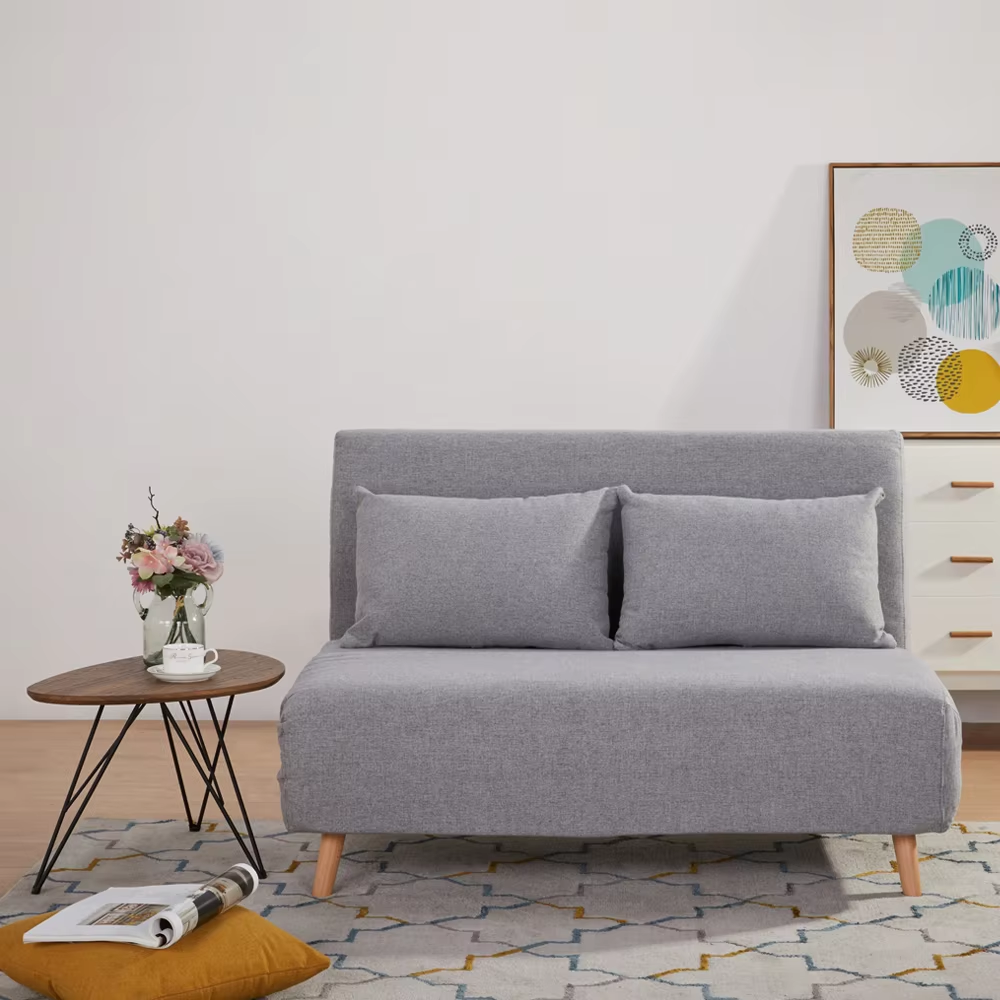
When sourcing sofa bed products for commercial or residential purposes, buyers face a complex procurement decision that extends far beyond price comparison. The modern sofa bed market offers diverse designs, mechanisms, and quality levels, making informed evaluation criteria essential for successful purchasing outcomes. Understanding the key inspection points during the sourcing process helps buyers avoid costly mistakes and ensures the selected sofa bed meets both functional requirements and long-term durability expectations.
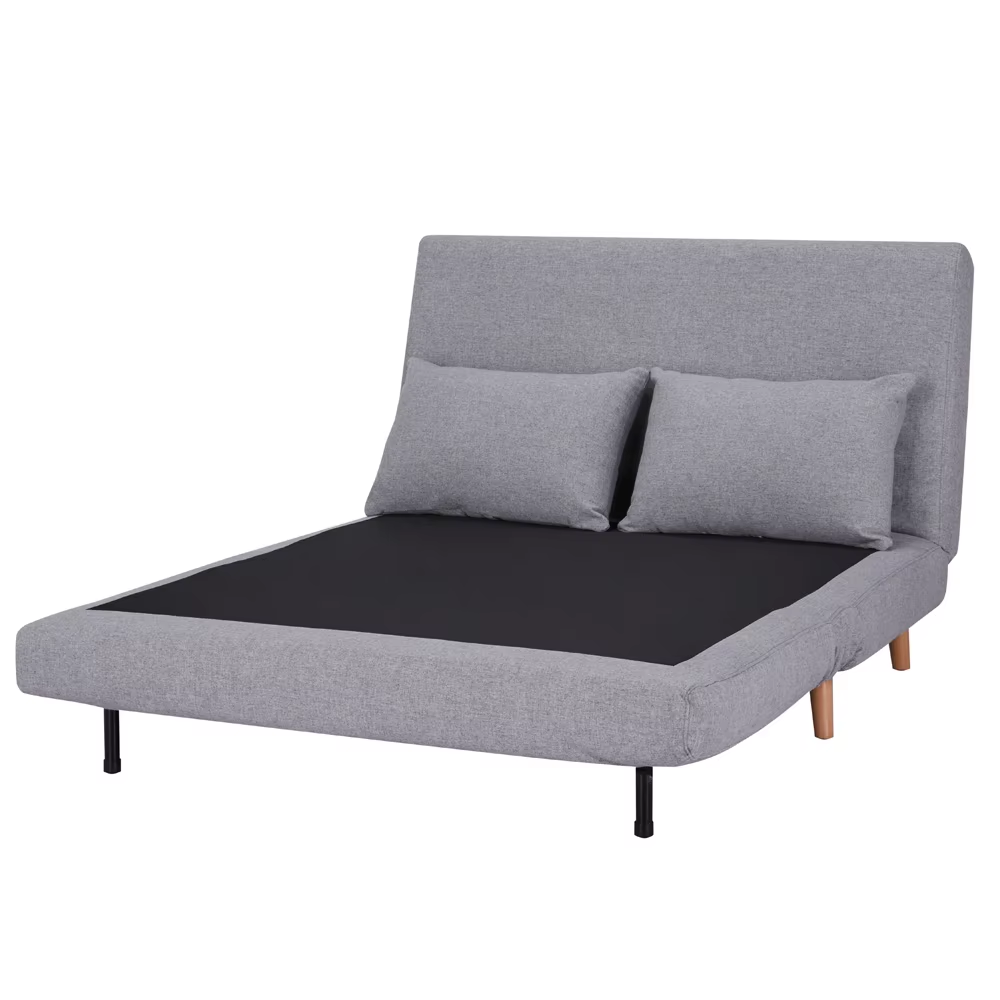
The sourcing process for sofa bed products requires systematic verification across multiple dimensions, from structural integrity to manufacturing standards. Professional buyers must develop comprehensive checklists that address both immediate quality indicators and potential long-term performance issues. This systematic approach to sofa bed evaluation protects investment value while ensuring end-user satisfaction across various application scenarios.
Frame Construction and Material Quality Assessment
Structural Foundation Requirements
The frame construction represents the most critical element buyers should examine when sourcing any sofa bed. Solid hardwood frames, particularly those made from kiln-dried timber, provide superior durability compared to particle board or composite alternatives. Buyers should specifically request detailed material specifications and verify the wood moisture content, which should remain below 12% to prevent warping and joint failure over time.
Metal frame components require equally careful evaluation, especially in sofa bed designs that incorporate steel reinforcement elements. The gauge thickness of metal supports directly impacts load-bearing capacity and longevity. Professional buyers should verify that all metal components feature proper powder coating or galvanization to prevent corrosion, particularly important for sofa bed units destined for humid environments or commercial applications.
Joint construction methods significantly influence the overall structural integrity of any sofa bed. Traditional mortise and tenon joints, reinforced with metal brackets or corner blocks, demonstrate superior engineering compared to simple butt joints held only by screws or staples. Buyers should physically inspect joint areas during factory visits or request detailed photography showing connection methods used throughout the frame assembly process.
Load-Bearing Capacity Verification
Weight capacity specifications require thorough verification during the sofa bed sourcing process. Reputable manufacturers should provide specific load ratings for both seating and sleeping configurations, typically ranging from 250 to 600 pounds depending on design and construction quality. Buyers must ensure these ratings align with intended use patterns and request documentation of testing procedures used to establish capacity limits.
The distribution of weight across the sofa bed frame affects both comfort and durability outcomes. Buyers should examine the placement and spacing of support slats or springs, ensuring adequate coverage across the entire sleeping surface. Insufficient support distribution can lead to premature sagging in the mattress area and uncomfortable sleeping conditions for end users.
Mechanism Design and Operation Testing
Transformation Mechanism Evaluation
The conversion mechanism represents the heart of any functional sofa bed, requiring careful evaluation during the sourcing process. Buyers should personally test the transformation process multiple times to assess smoothness, required effort, and potential failure points. Quality mechanisms should operate with minimal force while maintaining precise alignment between sofa and bed configurations without binding or sticking.
Different mechanism types offer varying advantages and limitations that buyers must consider against their specific requirements. Click-clack mechanisms provide simple operation but may sacrifice mattress thickness, while pull-out designs offer full mattress depth but require more floor space for operation. Buyers should evaluate mechanism type suitability based on intended installation environments and user demographics.
Hardware quality within the transformation mechanism directly impacts long-term reliability and user satisfaction. All pivoting points should feature proper lubrication and durable bearing surfaces capable of withstanding repeated cycling. Buyers should request information about expected mechanism lifespan and available replacement parts to support ongoing maintenance requirements.
Safety and Locking Features
Safety mechanisms prevent accidental folding or unfolding of the sofa bed during use, protecting users from potential injury. Buyers should verify the presence and functionality of locking systems in both sofa and bed configurations. These safety features should engage automatically during transformation while remaining easily disengageable for authorized users.
Child safety considerations become particularly important for sofa bed units destined for family environments or hospitality applications. Mechanisms should require deliberate action to initiate transformation, preventing accidental activation by children or unauthorized users. Buyers should specifically test safety systems with realistic force applications to ensure proper engagement under normal use conditions.
Mattress and Comfort Component Analysis
Mattress Quality and Specifications
The integrated mattress significantly influences user comfort and overall satisfaction with any sofa bed purchase. Buyers should evaluate mattress thickness, density, and material composition to ensure adequate support for sleeping applications. Standard sofa bed mattresses typically range from 4 to 6 inches thick, with higher-end units offering memory foam or hybrid construction for enhanced comfort levels.
Mattress durability testing helps predict long-term performance and replacement frequency. Buyers should inquire about foam density specifications, spring systems, and cover materials used in mattress construction. High-density foam cores resist compression and maintain shape longer than lower-grade alternatives, while quality fabric covers resist wear and maintain appearance through repeated use cycles.
Removable mattress designs offer advantages for cleaning and potential replacement, though they may compromise the integrated aesthetic of certain sofa bed styles. Buyers should evaluate whether removable mattresses align with maintenance capabilities and aesthetic preferences while ensuring proper fit and stability when installed.
Cushion and Upholstery Assessment
Seating cushions require separate evaluation from the sleeping mattress, as they experience different use patterns and wear characteristics. High-resilience foam cushions maintain shape and support better than standard foam alternatives, while down-blend options offer luxury comfort but require more maintenance. Buyers should assess cushion density and construction methods to predict long-term performance and appearance retention.
Upholstery fabric selection impacts both aesthetic appeal and functional durability of the sofa bed. Commercial-grade fabrics rated for heavy use provide better longevity in high-traffic applications, while residential-grade materials may suffice for lighter use scenarios. Buyers should evaluate fabric specifications including fiber content, weave density, and colorfastness ratings to ensure suitability for intended applications.
Fabric treatment options such as stain resistance, antimicrobial protection, and UV resistance add functional value but may increase costs. Buyers should weigh these enhanced features against budget constraints and specific application requirements to determine optimal specification levels for their sofa bed procurement.
Quality Control and Manufacturing Standards
Production Process Verification
Manufacturing quality control processes directly influence the consistency and reliability of sofa bed products. Buyers should request detailed information about quality checkpoints implemented throughout the production process, from material inspection through final assembly verification. Established manufacturers typically employ multiple inspection stages to identify and correct defects before shipment.
Certification compliance demonstrates adherence to industry standards and regulatory requirements for furniture products. Buyers should verify relevant certifications such as GREENGUARD for emissions, CertiPUR-US for foam quality, or specific safety standards applicable to their target markets. These certifications provide independent verification of manufacturing quality and material safety standards.
Factory auditing capabilities allow buyers to personally verify manufacturing conditions and quality control implementation. Reputable sofa bed manufacturers should welcome factory visits and provide transparent access to production areas, quality control procedures, and testing facilities used to ensure consistent product quality.
Testing and Performance Validation
Durability testing protocols help predict real-world performance and identify potential failure modes before widespread deployment. Professional buyers should request documentation of testing procedures used to validate sofa bed durability, including cycle testing of transformation mechanisms, load testing of structural components, and wear testing of upholstery materials.
Sample evaluation programs allow buyers to conduct independent testing and user feedback collection before committing to large-volume purchases. Many manufacturers offer sample units at reduced costs for evaluation purposes, enabling buyers to conduct thorough assessment under actual use conditions before finalizing procurement decisions.
Supplier Evaluation and Commercial Considerations
Manufacturer Capabilities and Track Record
Supplier evaluation extends beyond product quality to encompass manufacturing capacity, delivery reliability, and long-term business stability. Buyers should assess the manufacturer's production volume capabilities, quality control systems, and history of on-time delivery performance to ensure reliable fulfillment of sofa bed orders across projected demand periods.
Technical support capabilities become crucial when sourcing complex sofa bed products with mechanical components. Manufacturers should provide comprehensive technical documentation, assembly instructions, and ongoing support for troubleshooting and maintenance requirements. This support infrastructure directly impacts total cost of ownership and user satisfaction outcomes.
Financial stability and business continuity of the sofa bed manufacturer affect long-term service availability and warranty fulfillment. Buyers should evaluate supplier financial health, market reputation, and business continuity plans to ensure ongoing support throughout the product lifecycle and beyond initial purchase transactions.
Warranty and Service Provisions
Warranty coverage terms reveal manufacturer confidence in sofa bed quality and provide protection against premature failure. Comprehensive warranties should cover structural components, mechanism operation, and major material defects for reasonable periods reflecting expected product lifespan. Buyers should carefully review warranty exclusions and service procedures to understand actual protection levels provided.
After-sales service capabilities significantly impact total ownership experience and problem resolution effectiveness. Buyers should evaluate the manufacturer's service network, replacement parts availability, and technical support responsiveness to ensure adequate ongoing support for their sofa bed investment throughout its operational life.
Documentation and communication standards affect both initial procurement success and ongoing relationship management. Professional manufacturers should provide detailed product specifications, clear communication protocols, and responsive customer service to support successful sofa bed sourcing and deployment outcomes.
FAQ
What are the most important structural elements to inspect when evaluating sofa bed quality?
The frame construction and joint methods represent the most critical structural elements requiring thorough inspection. Focus on solid hardwood frames with proper moisture content below 12%, examine joint construction for mortise and tenon connections reinforced with metal brackets, and verify load-bearing capacity specifications for both seating and sleeping configurations.
How can buyers effectively test the transformation mechanism during sourcing?
Personally operate the transformation mechanism multiple times to assess smoothness, required effort, and alignment accuracy. Test safety locking features in both configurations, evaluate hardware quality at pivoting points, and request information about expected mechanism lifespan and maintenance requirements to ensure long-term reliability.
What mattress specifications should buyers prioritize when sourcing sofa bed products?
Focus on mattress thickness between 4-6 inches, high-density foam cores for durability, and quality cover materials for appearance retention. Evaluate whether removable mattress designs align with maintenance capabilities while ensuring proper fit and stability within the sofa bed frame structure.
How important are manufacturing certifications when sourcing sofa bed products?
Manufacturing certifications provide independent verification of quality standards and material safety compliance. Look for relevant certifications such as GREENGUARD for emissions, CertiPUR-US for foam quality, and applicable safety standards for your target market to ensure regulatory compliance and end-user safety.
Table of Contents
- Frame Construction and Material Quality Assessment
- Mechanism Design and Operation Testing
- Mattress and Comfort Component Analysis
- Quality Control and Manufacturing Standards
- Supplier Evaluation and Commercial Considerations
-
FAQ
- What are the most important structural elements to inspect when evaluating sofa bed quality?
- How can buyers effectively test the transformation mechanism during sourcing?
- What mattress specifications should buyers prioritize when sourcing sofa bed products?
- How important are manufacturing certifications when sourcing sofa bed products?