
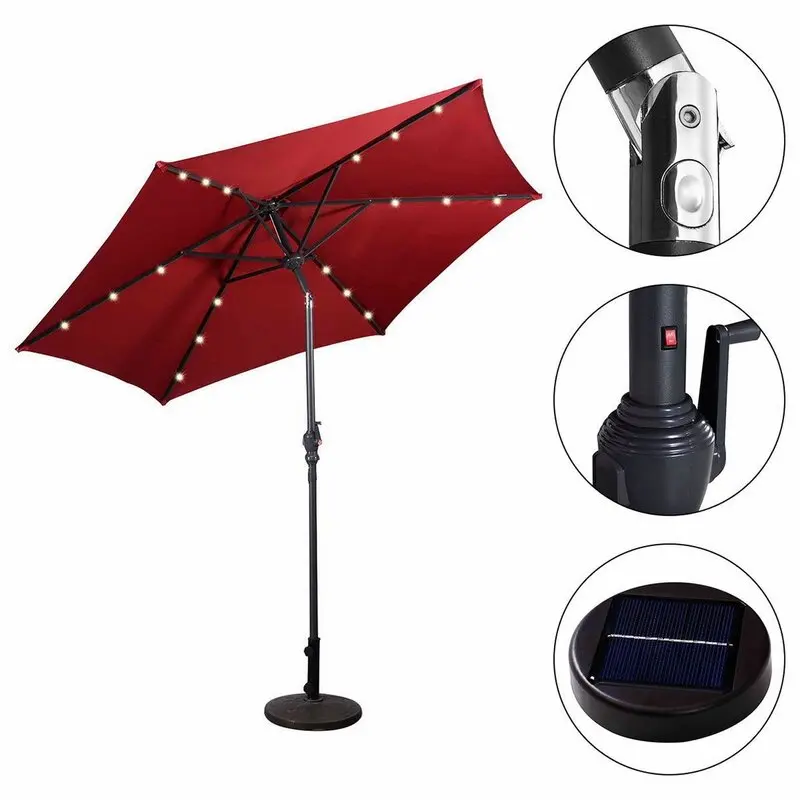
Selecting the right parasol for hospitality and outdoor seating areas represents a critical decision for restaurant owners, resort managers, and hospitality professionals. A parasol for hospitality must balance aesthetic appeal, functional protection, durability, and maintenance requirements while creating an inviting atmosphere for guests. The choice directly impacts guest comfort, venue appearance, and long-term operational costs, making informed selection essential for hospitality success.
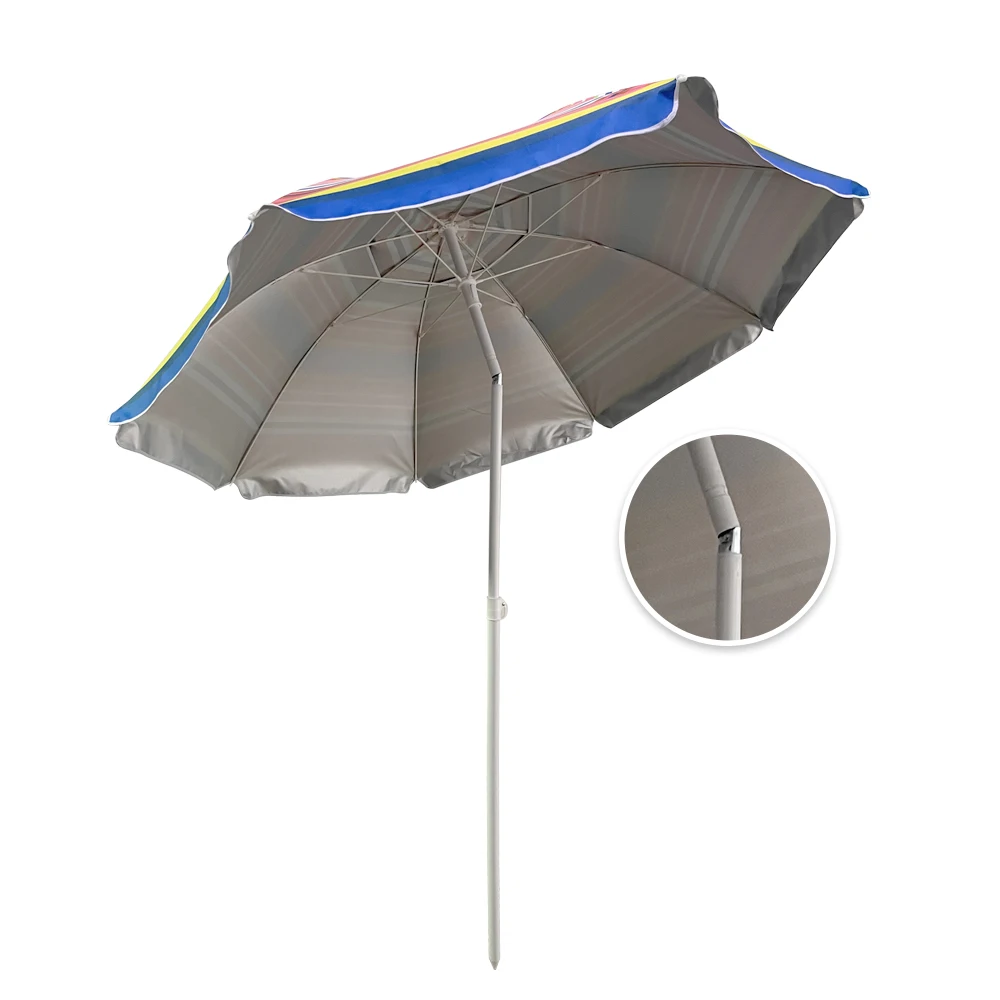
A parasol for hospitality serves multiple purposes beyond simple shade provision. It establishes visual identity, enhances outdoor space ambiance, protects furnishings and guests from UV exposure, and creates defined seating zones in open areas. Understanding how to evaluate parasol options ensures your venue maintains guest satisfaction, operational efficiency, and professional presentation throughout every season.
Key Structural Considerations for Hospitality Parasols
Size and Coverage Requirements
The appropriate parasol for hospitality begins with accurate sizing calculations. Standard hospitality parasols range from 2.5 meters to 4 meters in diameter, accommodating 4 to 8 dining guests comfortably. A parasol for hospitality in busy restaurant settings should provide adequate coverage without creating visual obstruction or overcrowding. Larger venues benefit from multiple medium-sized umbrellas rather than one massive parasol for hospitality, allowing flexible layout adjustments and easier maintenance access.
Calculate coverage by multiplying seating capacity by average chair footprint area. A parasol for hospitality covering a four-top table typically requires 2.5 to 3 meters of diameter. Resort pool areas and expansive terraces often feature 4-meter parasols for hospitality positioned strategically across the space. Undersizing reduces guest comfort and creates insufficient UV protection, while oversizing creates maintenance challenges and restricts sight lines across the venue.
Material Durability and Weather Resistance
Premium materials define a successful parasol for hospitality installation. High-grade aluminum frames resist corrosion and maintain structural integrity under constant sun exposure, salt air, and temperature fluctuations. Quality polyester or solution-dyed acrylic fabrics withstand chlorine, coastal salt spray, and rain without degrading color or developing mildew growth. A parasol for hospitality must endure continuous outdoor exposure while maintaining appearance and function, justifying initial investment in superior materials.
Commercial-grade parasol for hospitality fabrics typically provide UPF 50+ protection, blocking 98% of harmful UV rays while remaining color-fast and fade-resistant. Welded aluminum joints outperform riveted connections in hospitality applications, reducing maintenance interventions and prolonging operational life. The parasol for hospitality framework should withstand winds up to 35-40 kilometers per hour without requiring removal, a critical feature for uninterrupted service in dynamic hospitality environments.
Aesthetic and Functional Design Elements
Color and Brand Integration
Visual presentation significantly influences guest perception and hospitality venue branding. A parasol for hospitality serves as visible brand representation, making color selection a strategic marketing decision. Neutral colors like cream, taupe, and charcoal coordinate with diverse architectural styles and furniture arrangements, while custom-printed parasol for hospitality options reinforce brand identity and create distinctive venue character. Hotels, resorts, and upscale restaurants increasingly invest in branded parasol for hospitality solutions to strengthen visual cohesion and premium positioning.
Design flexibility distinguishes commercial-grade parasol for hospitality from standard consumer options. Valances, trim details, and logo placement customize a parasol for hospitality without compromising structural integrity. Light-colored parasol for hospitality fabrics reduce ambient temperature under the canopy, enhancing guest comfort during peak afternoon hours. Coordinating parasol for hospitality with existing furniture, architectural elements, and venue aesthetic elevates overall outdoor space presentation and justifies premium pricing to discerning guests.
Operational Features and Ease of Deployment
Practical functionality determines whether a parasol for hospitality becomes an asset or operational burden. Tilt mechanisms allow repositioning as sun angle changes, maximizing shade coverage throughout operating hours while protecting guest sightlines. A parasol for hospitality with cranking or motorized tilt systems requires minimal staff effort and prevents repetitive strain injuries common in hospitality settings. Centred pole designs maximize under-canopy seating compared to offset parasol for hospitality models, though side poles suit certain architectural constraints and aesthetic preferences.
Quick-release connections and modular base systems simplify parasol for hospitality installation and seasonal storage. Hospitality venues with limited space benefit from parasol for hospitality solutions featuring collapsible or removable components. Wind-up or crank opening mechanisms ensure consistent deployment technique across hospitality staff, reducing variability and potential damage. Professional-grade parasol for hospitality hardware includes locking mechanisms preventing accidental collapse and securing components against wind stress.
Installation, Maintenance, and Seasonal Management
Base Systems and Anchoring Solutions
Proper installation transforms parasol for hospitality functionality and safety. Heavy weighted bases prevent tipping while accommodating various surface types including tile, concrete, and composite decking. A parasol for hospitality typically requires 40-80 kg base weight depending on diameter and wind exposure risk factors. Concrete footings provide permanent parasol for hospitality solutions for established venues, while weighted bases offer flexibility for seasonal or temporary installations common in hospitality operations.
Cross-bracing and additional stabilization hardware enhance parasol for hospitality performance in exposed coastal locations or elevated rooftop installations. Professional hospitality design incorporates parasol for hospitality bases matching surrounding furniture and architectural materials, creating unified visual presentation. Regular inspection of base connections and hardware ensures parasol for hospitality structural integrity throughout operating seasons, preventing guest safety incidents and premature equipment failure.
Cleaning Protocols and Protective Measures
Routine maintenance preserves parasol for hospitality appearance and extends operational lifespan. Gentle brushing removes accumulated dust and debris without damaging fabric coatings. A parasol for hospitality in coastal locations requires saltwater rinsing monthly, while tree-shaded installations benefit from occasional mildew prevention treatments. Hospitality venues should establish seasonal cleaning schedules before peak operating periods, ensuring parasol for hospitality presents immaculate appearance throughout guest-facing seasons.
Protective covers extend parasol for hospitality longevity during off-season storage and extreme weather. Quality custom-fit covers prevent UV damage, moisture accumulation, and pest intrusion during extended closure periods. A parasol for hospitality properly maintained and seasonally protected typically performs reliably for 8-12 years, representing significant cost savings compared to frequent replacement cycles. Documentation of maintenance activities creates institutional knowledge supporting consistent hospitality venue presentation standards.
FAQ
What size parasol for hospitality best serves a typical restaurant patio?
Most restaurant patios benefit from multiple 3-meter parasol for hospitality units accommodating four-top tables, or 4-meter models for six-top configurations. A parasol for hospitality selection depends on average seating duration, sun angle patterns, and desired spatial flexibility. Hospitality venues with mixed table sizes often combine parasol for hospitality options, using larger units for extended lounging areas and smaller models for quick-service sections.
Can a parasol for hospitality withstand year-round outdoor installation?
Commercial-grade parasol for hospitality with aluminum frames and solution-dyed acrylic fabrics tolerate year-round installation in most climates. However, extreme snow loads, sustained hurricane-force winds, or continuous tropical salt exposure require parasol for hospitality removal or additional stabilization. Regular inspection ensures a parasol for hospitality remains safe during adverse weather, and seasonal adjustments optimize performance across temperature and moisture variations. Hospitality venues in challenging climates should consult manufacturers regarding parasol for hospitality specifications.
How does a parasol for hospitality compare to fixed awning or shade structure solutions?
A parasol for hospitality offers mobility and flexibility advantages over permanent structures, enabling layout adjustments and seasonal repositioning. Fixed shade structures provide superior stability and permanent architectural integration but sacrifice spatial adaptability. Parasol for hospitality solutions suit hospitality venues requiring flexible outdoor configurations, while fixed installations serve established high-traffic areas. Many successful hospitality venues combine both approaches, using permanent structures for primary seating and parasol for hospitality units for secondary or seasonal expansion areas.