
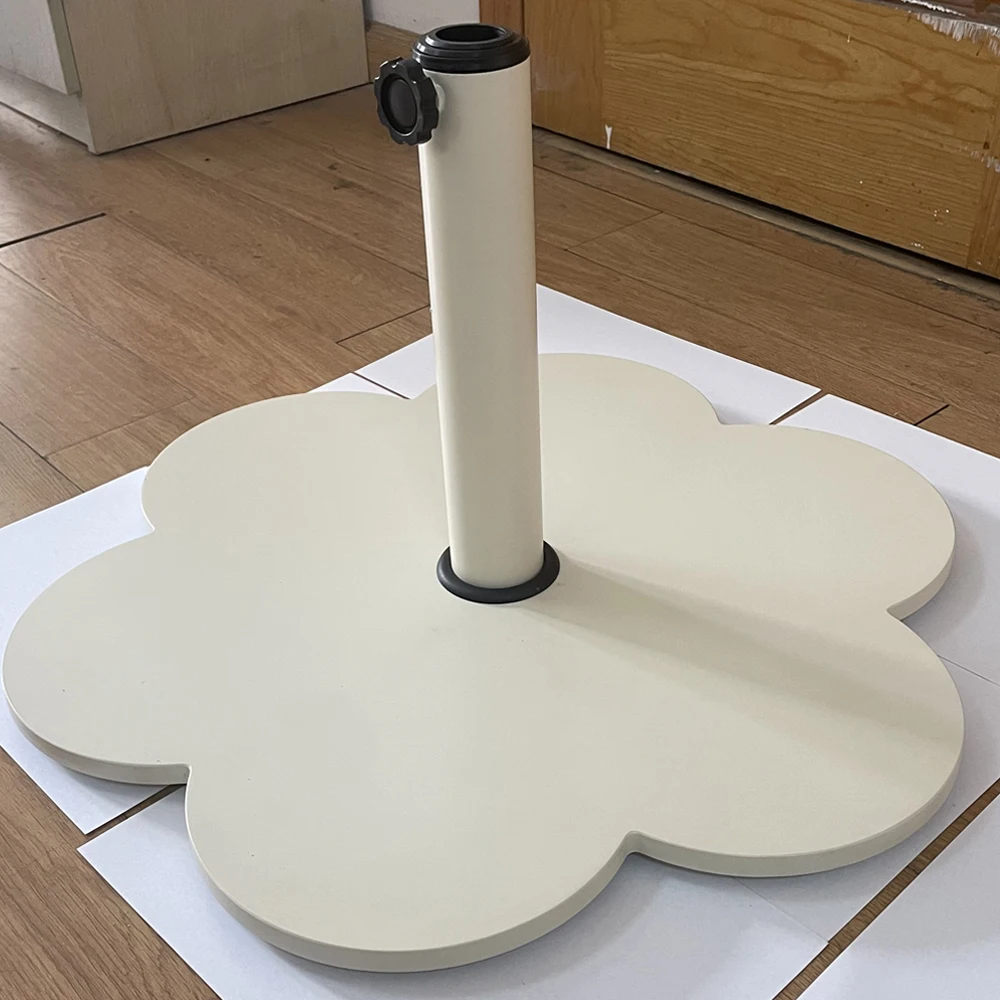
When outdoor spaces face persistent wind, the foundation of any umbrella becomes critically important. An umbrella base stability system determines whether your shade structure remains secure or becomes a hazard. Without proper umbrella base stability, even high-quality canopies can topple, endangering people and property below. Understanding how umbrella base stability works helps facilities managers, restaurant owners, and homeowners make informed choices about outdoor furniture durability and safety.
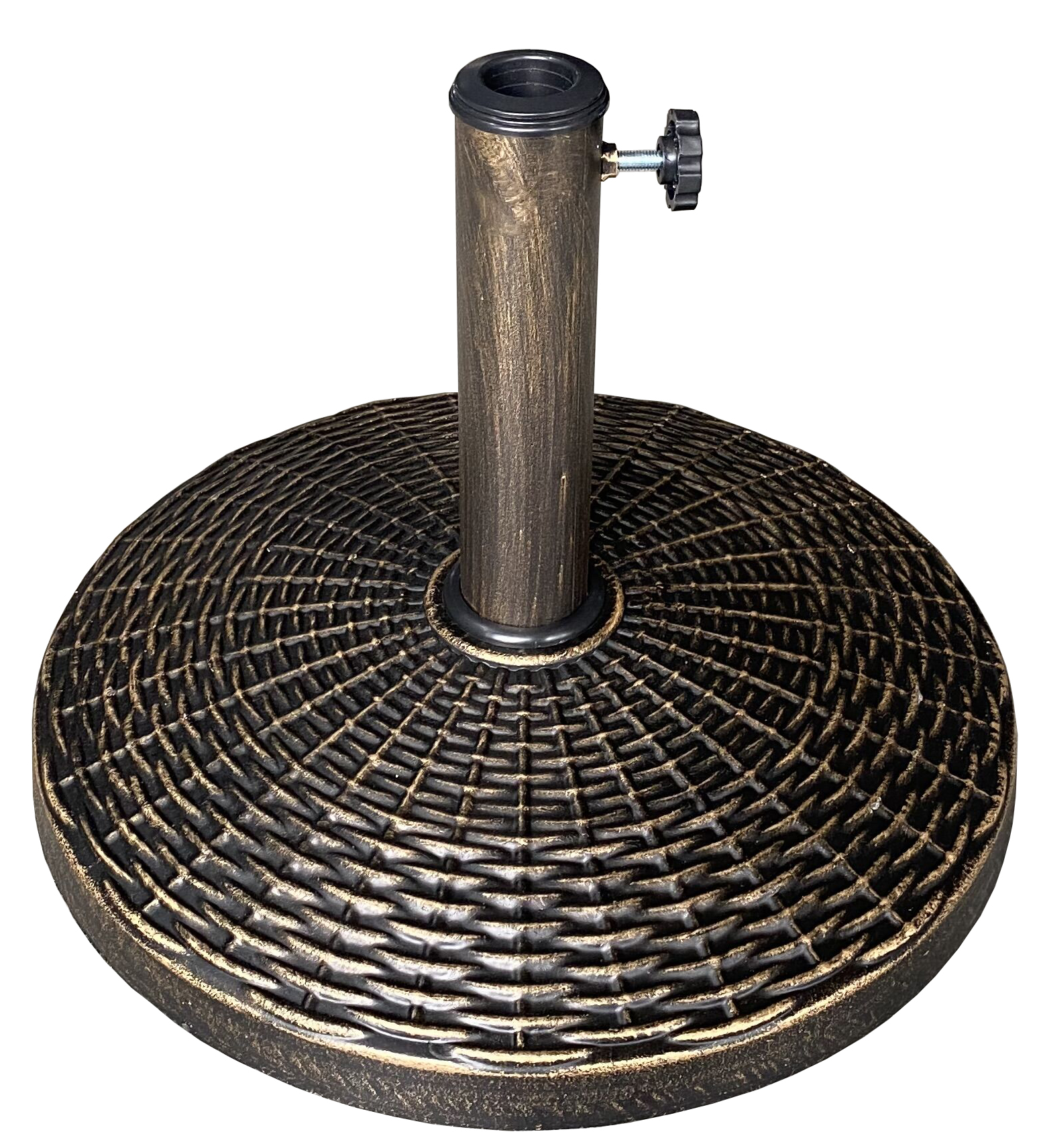
Effective umbrella base stability requires a combination of weight, design engineering, and material selection. The primary function of an umbrella base stability solution is to counterbalance the forces created by wind pressure on the canopy surface. In commercial settings such as outdoor dining areas, retail patios, and poolside environments, inadequate umbrella base stability creates liability concerns and reduces customer comfort. This comprehensive guide explores the mechanical principles, design features, and practical considerations that ensure umbrella base stability in challenging wind conditions.
How Weight Distribution Enhances Umbrella Base Stability
The Physics of Counterbalancing Wind Forces
Wind pressure against an umbrella canopy creates a lateral force that attempts to tip the structure sideways. The umbrella base stability depends on the weight concentrated low to the ground, which creates a counterbalancing moment that resists tipping. The heavier and lower the mass, the greater the resistance to toppling. Professional umbrella base stability designs calculate the expected wind load on canopy area and match it with proportional base weight, typically ranging from 40 to over 100 pounds for large commercial umbrellas.
Material Selection for Optimal Umbrella Base Stability
Materials used in umbrella base stability systems must balance weight with durability. Cast iron provides excellent umbrella base stability because it achieves high density in a reasonably sized footprint. Concrete-filled bases offer comparable umbrella base stability at lower cost but require more volume. Steel, aluminum, and composite materials contribute to umbrella base stability by providing structural rigidity that prevents flexing or movement under wind stress. The choice of material directly influences both the umbrella base stability performance and the ease of repositioning the umbrella when needed.
Design Features That Reinforce Umbrella Base Stability
Wide Footprint and Low Center of Gravity
An umbrella base stability system with a wide footprint distributes weight across a larger contact area, increasing resistance to tipping. Wider bases create longer lever arms that must be overcome before the structure pivots. The umbrella base stability improves exponentially as the base width increases relative to the canopy width. Commercial umbrellas designed for high-wind areas feature bases with diameters approaching or exceeding the canopy diameter, ensuring umbrella base stability even under sustained gusts. The center of gravity placement directly beneath the pole maximizes umbrella base stability by eliminating lateral offset.
Weighted Inner Chambers and Cross-Bracing
Modern umbrella base stability designs often include internal weighted chambers or multiple compartments that can be filled with sand or water. This approach to umbrella base stability allows adjustment based on local wind conditions and seasonal variations. Cross-bracing and reinforced structural ribs within the base add rigidity and prevent deformation under load, enhancing umbrella base stability further. Some premium systems incorporate adjustable counterweights that can be moved or added incrementally, providing flexible umbrella base stability that adapts to specific environmental requirements without replacing the entire base assembly.
Installation and Environmental Considerations for Umbrella Base Stability
Foundation Preparation and Mounting Methods
Proper installation practices significantly influence umbrella base stability outcomes. Placing an umbrella base stability system on uneven terrain reduces its effectiveness by tilting the pole away from vertical. Professional installation begins with leveling the surface, using shims if necessary to ensure perfect vertical alignment that maximizes umbrella base stability. Some high-performance installations embed the base into concrete or anchor it to permanent structures, taking umbrella base stability beyond passive weight distribution to active mechanical restraint. The mounting method selection depends on whether portability matters for your application or whether permanent umbrella base stability anchoring is acceptable.
Seasonal Adjustments and Maintenance
Environmental factors affect umbrella base stability differently across seasons. Winter snow and ice accumulation on canopy surfaces increase wind load, requiring stronger umbrella base stability systems. Summer thunderstorms with unpredictable gusts demand reliable umbrella base stability that accommodates sudden pressure spikes. Regular inspection of the base mounting points, fasteners, and overall structural integrity maintains umbrella base stability over time. Facilities with umbrellas in permanent positions should check alignment and stability twice yearly, adjusting weights or reinforcements as needed to preserve umbrella base stability in response to wear or seasonal changes.
FAQ
What is the minimum weight needed for an umbrella base stability system?
Minimum weight for an umbrella base stability system depends on canopy size and local wind conditions. A small residential umbrella with a 6-foot canopy requires 25 to 40 pounds for basic umbrella base stability in moderate winds. Commercial umbrellas with 9 to 13-foot canopies need 50 to 100 pounds to ensure reliable umbrella base stability. Areas with frequent high winds or severe weather may require bases exceeding 120 pounds to maintain consistent umbrella base stability. Consult wind load calculations specific to your location and canopy dimensions to determine adequate umbrella base stability weight.
Can you improve existing umbrella base stability without replacing the base?
Yes, several methods can enhance umbrella base stability on existing installations. Adding removable weights, sandbags, or water-filled containers around the base perimeter increases umbrella base stability without full replacement. Anchor kits that secure the pole to deck surfaces or nearby structures provide supplemental umbrella base stability in high-wind zones. Adjusting the canopy height or angle can distribute wind forces differently and improve umbrella base stability for specific seasonal conditions. These modifications offer cost-effective umbrella base stability improvements when replacement is not feasible or when seasonal reinforcement is needed.
How does umbrella base stability differ between residential and commercial applications?
Commercial umbrella base stability systems typically feature heavier construction and wider footprints than residential models due to larger canopy sizes and higher safety standards. Residential applications often prioritize portability in umbrella base stability design, using lighter materials and sometimes rolling bases. Commercial installations may incorporate permanent anchoring or concrete mounting for maximum umbrella base stability, while residential use favors adjustable weight systems that allow repositioning. Liability concerns in commercial settings demand redundant safety features in umbrella base stability systems, whereas residential buyers often balance stability with aesthetic preferences and space constraints.