
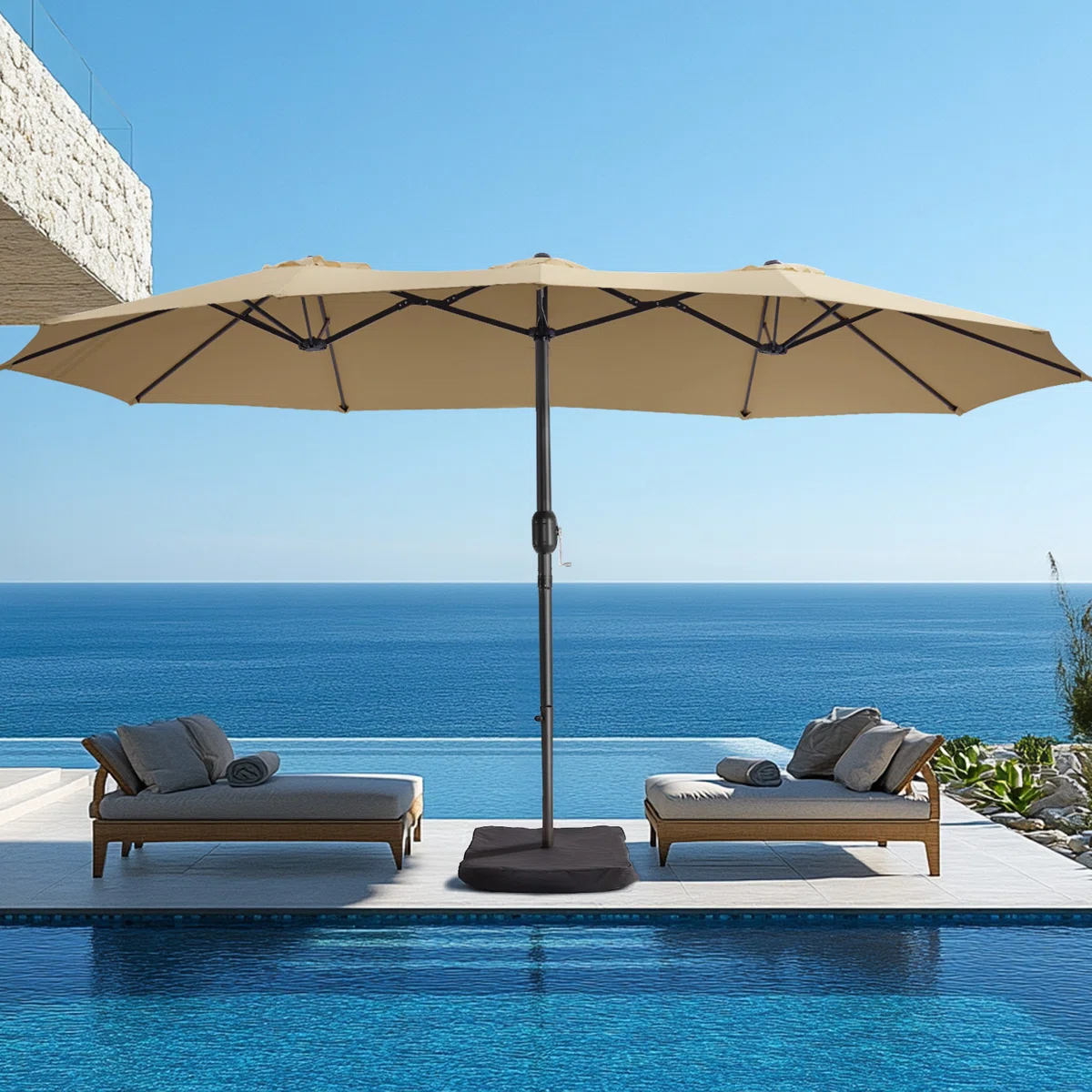
Choosing the right parasol for outdoor commercial projects requires careful consideration of multiple factors that directly impact durability, aesthetics, and guest satisfaction. Whether you're outfitting a restaurant patio, hotel courtyard, or public venue, the decision to select a parasol involves understanding structural requirements, material specifications, and long-term performance expectations. This guide walks you through the essential criteria to help you select a parasol that aligns with your project's unique demands and budget constraints.
The process to select a parasol for commercial applications differs significantly from residential choices because commercial installations face higher usage frequency, varying weather conditions, and regulatory compliance requirements. A well-informed selection process ensures your parasol investment delivers consistent shade coverage, withstands seasonal stress, and maintains visual appeal across multiple years of operation. Understanding these distinctions upfront prevents costly replacements and ensures your outdoor space functions optimally.
Understanding Your Space and Coverage Requirements
Assessing Area Dimensions and Layout
Before you select a parasol, accurately measure your outdoor commercial space to determine total shade coverage needed. Document the length, width, and shape of the area—whether rectangular seating zones, circular gathering spots, or linear walkways—because parasol placement directly influences how many units you need and their optimal positioning. Consider foot traffic patterns, existing structures like buildings or trees, and wind exposure zones, as these factors shape the arrangement strategy for your parasol selection. Measure ceiling heights if your space has covered areas nearby, as parasol tilt mechanisms may interact with overhead structures.
Defining Your Shade and Aesthetic Goals
When you select a parasol for a commercial venue, clarify whether your primary goal is maximum shade coverage, visual branding, or atmospheric design. Some commercial properties prioritize UV protection and heat reduction, while others emphasize creating an inviting ambiance that complements their brand identity. Restaurant patios often select a parasol in colors matching their concept, while corporate campuses may prefer neutral tones for versatility. Write down your functional and aesthetic objectives before evaluating specific parasol models, as this clarity prevents selection errors driven by appealing appearance alone.
Material Selection and Durability Factors
Evaluating Fabric and Canopy Options
The canopy material is critical when you select a parasol for outdoor commercial use because it directly determines UV protection, water resistance, and color retention. High-quality acrylic fabrics offer superior fade resistance and water-shedding capabilities compared to standard polyester, making them ideal for commercial installations exposed to intense sunlight and frequent rain cycles. Solution-dyed fabrics maintain color integrity longer and resist mildew growth better than surface-dyed alternatives. When comparing options, verify that your selected fabric meets commercial-grade specifications and carries warranties covering fade and weathering, as budget parasols often lack these performance guarantees.
Assessing Frame Materials and Construction Quality
To properly select a parasol that survives extended commercial use, examine frame materials carefully, as the structural integrity determines lifespan and safety. Aluminum frames offer lightweight strength and excellent corrosion resistance, making them suitable for coastal and humid environments where steel corrodes rapidly. Fiberglass poles provide flexibility and wind resistance, while reinforced wooden frames deliver aesthetic appeal but require regular maintenance in wet climates. Inspect joint construction and base connections, verifying that your selected parasol uses stainless steel hardware and reinforced stitching at stress points. Request load-testing documentation and wind-resistance ratings from manufacturers when you select a parasol for high-traffic commercial areas subject to occasional strong winds.
Installation, Maintenance, and Operational Considerations
Planning Installation and Foundation Requirements
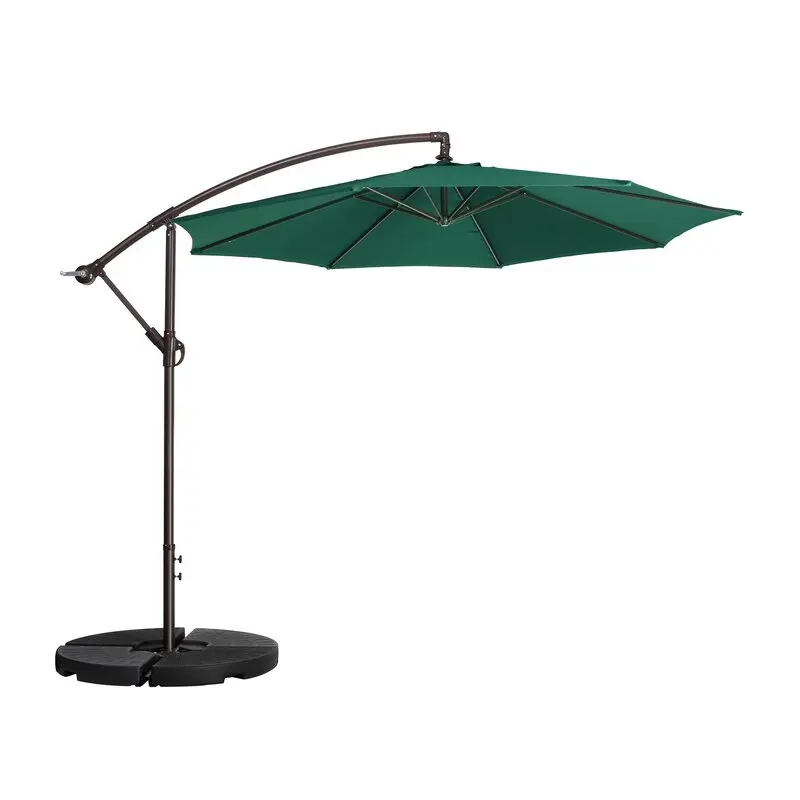
Different parasol types require distinct installation approaches, so understanding foundation needs is essential when you select a parasol for permanent or seasonal deployment. Cantilever parasols need solid concrete footings to support lateral weight and prevent tipping, while traditional center-pole models require robust weighted bases or ground anchoring systems. Evaluate your venue's surfaces—concrete patios allow permanent installation, while decks or soft ground require engineered base systems that don't damage underlying structures. Confirm that your contractor understands the specific installation protocol for your selected parasol design, as improper setup compromises safety and voids manufacturer warranties.
Evaluating Maintenance Demands and Operational Ease
When you select a parasol for a busy commercial environment, consider the ongoing maintenance effort required to keep it functioning and appearing professional. Manual crank mechanisms demand staff time daily, while motorized opening and closing systems reduce labor costs but require electrical infrastructure and regular servicing. Cleaning requirements vary by fabric type and local air quality—coastal venues with salt spray need more frequent washing than inland locations. Assess staff capacity and budget for annual maintenance, including fabric cleaning, hardware lubrication, and seasonal adjustments. A parasol that requires high maintenance may exceed operational budgets despite lower initial purchase costs, so balance acquisition expense against long-term labor investment when you select a parasol.
Budget Alignment and Procurement Strategy
Establishing Budget Ranges and Value Assessment
Commercial parasol pricing spans from entry-level units at fifteen hundred dollars to premium systems exceeding ten thousand dollars per unit, so clarifying your budget range early streamlines the selection process. Lower-cost options typically offer shorter warranties, basic materials, and limited color variety, while mid-range parasols provide commercial-grade durability with reasonable feature sets. Premium models deliver extended warranties, advanced materials, motorization options, and customization capabilities that justify higher investment for high-visibility venues. Rather than selecting the cheapest option available, calculate total cost of ownership including installation, maintenance, and replacement cycles, as this approach often reveals that mid-range parasols deliver superior long-term value.
Gathering Quotes and Comparing Offers
Obtain detailed quotations from multiple suppliers when you select a parasol, ensuring each quote specifies materials, warranties, installation costs, and delivery timelines. Compare warranty terms carefully, as some manufacturers offer comprehensive coverage while others limit protection to frame defects. Request references from other commercial installations using your candidate parasol design, and contact those venues to discuss real-world performance and satisfaction. Verify that suppliers provide setup documentation, staff training, and ongoing support, as these services impact post-installation success. Never select a parasol based solely on price; instead, evaluate the complete package of product quality, service support, and warranty protection.
FAQ
What size parasol should I select for a commercial outdoor dining area?
Calculate shade area needed by multiplying seating capacity by approximate space per guest, typically sixteen to twenty square feet per diner. If you select a parasol with a twelve-foot diameter, it covers roughly one hundred twenty square feet, suitable for six to eight diners with additional space for server movement. Most commercial venues deploy multiple parasols in coordinated arrangements rather than single large units, as this approach provides flexibility in layout adjustments and simplifies replacement if individual units require servicing. Consult with your venue designer to balance shade coverage against sightline considerations, as excessive parasol density can obstruct views and create cramped atmospheres.
How often should I replace or maintain a commercial parasol?
Quality commercial parasols typically deliver seven to ten years of reliable service with annual maintenance, though lifespan varies based on climate exposure, usage intensity, and material choices. Perform seasonal inspections, clean canopies twice yearly, and lubricate moving parts before heavy-use periods to maximize longevity. Most venues select a parasol with a replacement cycle of eight years, budgeting for gradual fleet turnover rather than mass replacement. Track maintenance records to identify wear patterns, as early intervention on cable systems or motor components prevents emergency failures during peak operating seasons.
Can I select a parasol with custom branding or colors?
Many commercial-grade parasol manufacturers offer custom color matching and logo printing services when you select a parasol in bulk quantities, typically requiring minimum orders of five to ten units. Custom printing adds two to four weeks to lead times and increases per-unit costs by fifteen to thirty percent compared to standard colors. Verify that custom graphics use outdoor-rated dyes and inks that resist fading, as inferior printing deteriorates rapidly in sunlight. Request color samples and test prints before finalizing orders, ensuring branding aligns with your venue's visual identity and marketing objectives.