
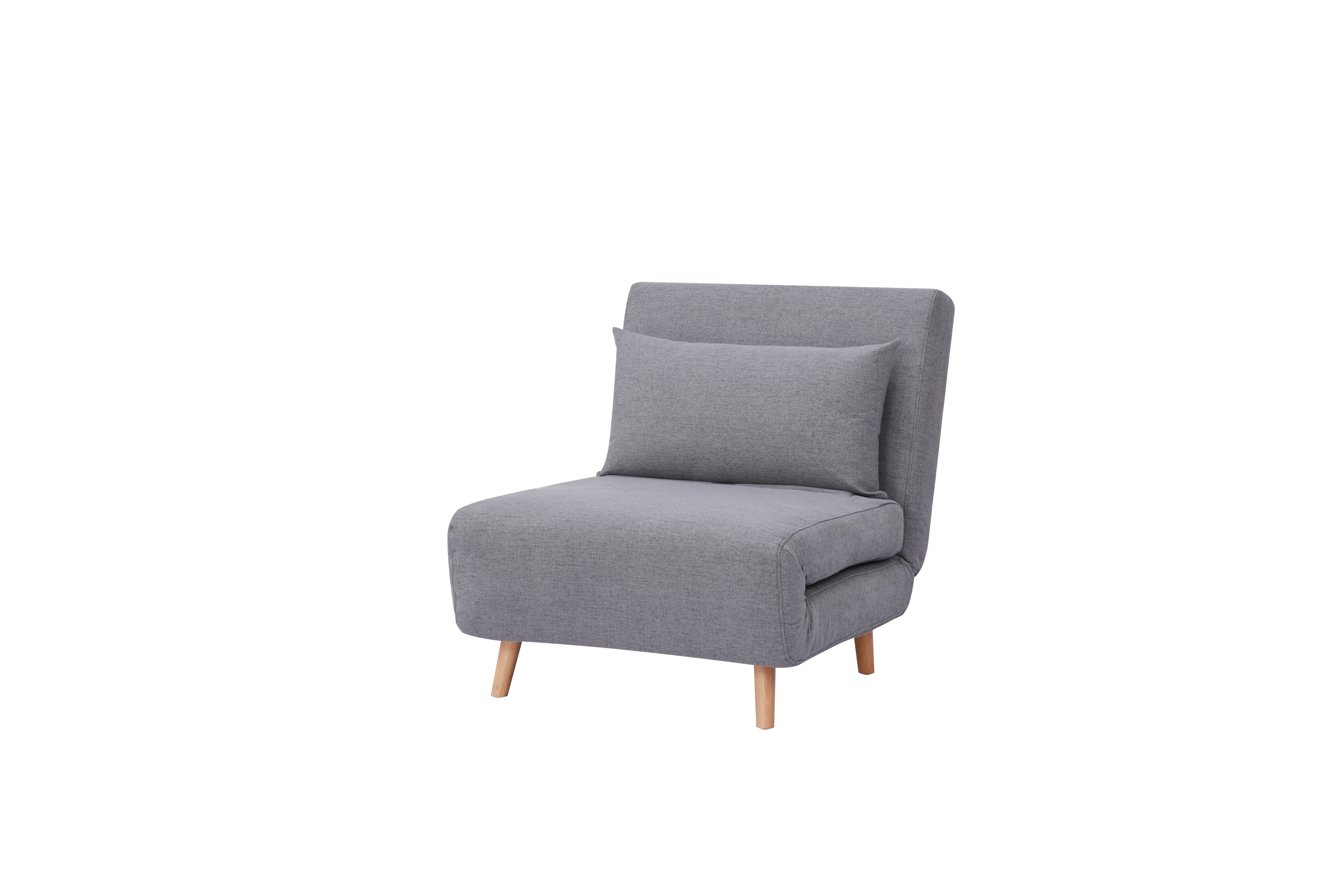
When selecting a sofa bed for your home or business space, the mechanism stands as the most critical component determining both functionality and longevity. The sofa bed mechanism directly influences daily usability, conversion ease, mattress support quality, and overall durability of your furniture investment. Understanding the mechanical intricacies behind different sofa bed designs enables buyers to make informed decisions that align with their specific needs, space constraints, and usage patterns.
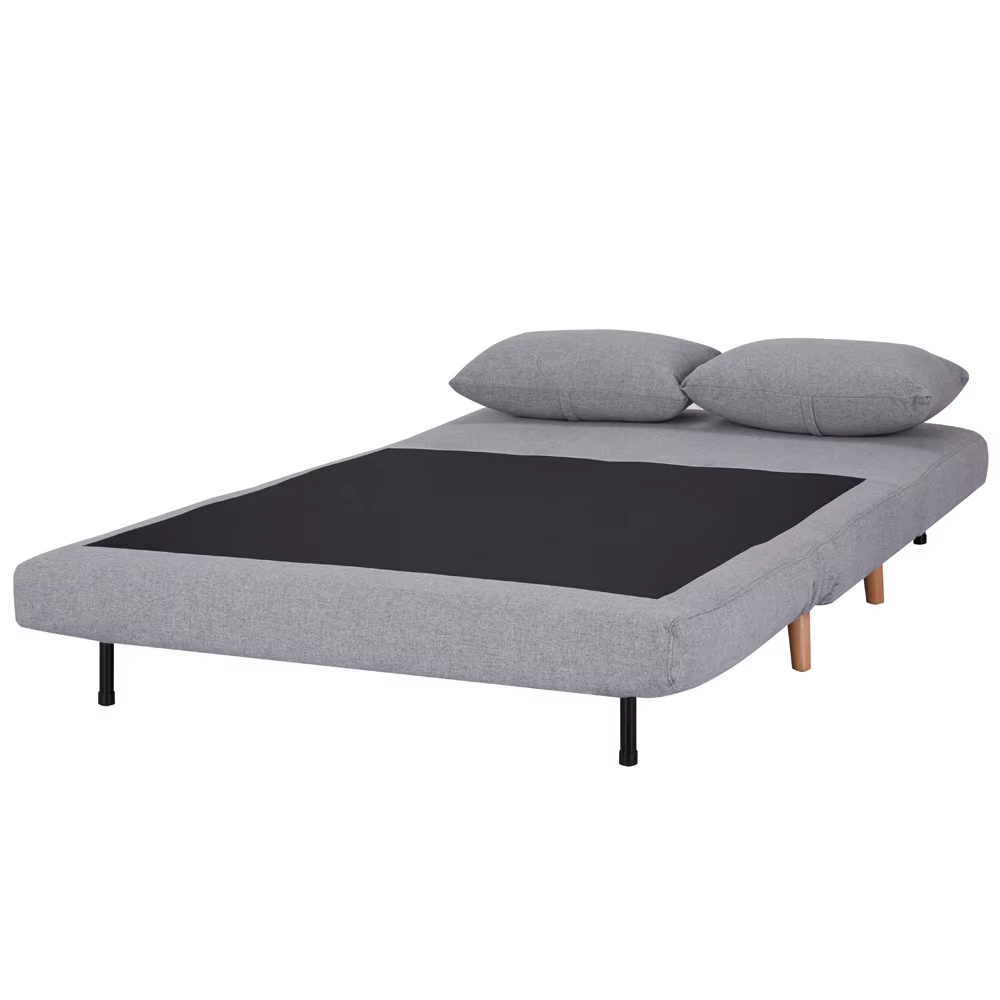
Modern sofa bed mechanisms have evolved significantly from traditional pull-out designs, incorporating advanced engineering solutions that prioritize user comfort, structural integrity, and seamless operation. Today's buyers face multiple mechanism options, each offering distinct advantages in terms of space efficiency, mattress thickness accommodation, and conversion complexity. The mechanism choice fundamentally shapes the sofa bed experience, affecting everything from daily seating comfort to guest sleeping quality and long-term mechanical reliability.
Understanding Core Sofa Bed Mechanism Types
Pull-Out Sofa Bed Mechanisms
Pull-out sofa bed mechanisms represent the traditional approach to convertible furniture design, featuring a metal frame that extends from within the sofa base to create a sleeping surface. These mechanisms typically incorporate a tri-fold mattress system supported by a steel grid or slat foundation that unfolds when the bed is deployed. The pull-out design requires significant floor space clearance in front of the sofa, as the extended bed frame projects approximately 6-8 feet from the original sofa position.
The mechanical complexity of pull-out systems involves multiple moving parts, including extension rails, support legs, and locking mechanisms that secure the bed in both sofa and sleeping positions. Quality pull-out sofa bed mechanisms feature reinforced steel construction with powder-coated finishes to resist wear and corrosion. The conversion process typically requires lifting seat cushions, grasping the bed frame handle, and pulling the mechanism forward until it fully extends and locks into position.
Click-Clack Sofa Bed Mechanisms
Click-clack mechanisms offer a simplified approach to sofa bed conversion, utilizing a reclining backrest system that transitions from upright seating to flat sleeping position through a single motion. This mechanism type eliminates the need for pull-out extensions, making it ideal for smaller spaces where floor clearance is limited. The click-clack system relies on a robust hinge mechanism with multiple position settings, allowing users to adjust the backrest angle for various seating and sleeping preferences.
The operational simplicity of click-clack sofa bed mechanisms appeals to users who prioritize quick conversion and minimal physical effort. The mechanism typically features a gas-assisted or spring-loaded system that supports smooth backrest movement and secure position locking. However, the sleeping surface dimensions are constrained by the original sofa footprint, which may limit mattress size options compared to pull-out alternatives.
Futon-Style Sofa Bed Mechanisms
Futon-style mechanisms combine Eastern design philosophy with Western furniture functionality, featuring a bi-fold frame system that transitions between upright and flat positions. These mechanisms typically employ wooden or metal slat systems that provide flexible support for both seating and sleeping configurations. The futon approach prioritizes simplicity and durability, with fewer moving parts compared to complex pull-out systems.
Modern futon sofa bed mechanisms incorporate improved ergonomics and enhanced structural support, addressing traditional concerns about comfort and longevity. The conversion process involves lifting the seat section and lowering the back section until both components align to form a continuous sleeping surface. Quality futon mechanisms feature reinforced pivot points and robust locking systems to ensure stable operation over extended use periods.
Mechanical Engineering Considerations for Sofa Bed Selection
Load-Bearing Capacity and Structural Integrity
The load-bearing capacity of a sofa bed mechanism determines its suitability for different user weights and frequency of use scenarios. Commercial-grade mechanisms typically support weights ranging from 250 to 400 pounds per sleeping position, while residential-grade options may have lower capacity ratings. The structural integrity depends on frame material quality, joint reinforcement methods, and the distribution of stress points across the mechanism.
Steel frame construction generally provides superior load-bearing capacity compared to aluminum or composite alternatives, though weight considerations may favor lighter materials for portable applications. The welding quality at frame joints significantly impacts long-term durability, with continuous welds typically outperforming spot-welded connections. Buyers should evaluate the mechanism's ability to maintain structural stability under repeated conversion cycles and sustained loading conditions.
Operational Smoothness and User Experience
The operational smoothness of a sofa bed mechanism directly influences user satisfaction and long-term usability. Quality mechanisms incorporate precision-machined components, high-grade bearings, and appropriate lubrication systems to ensure smooth operation throughout the product lifecycle. The force required for conversion should be reasonable for the intended user demographic, with assisted systems available for applications requiring minimal physical effort.
Mechanism noise levels during operation can significantly impact user experience, particularly in shared living spaces or hospitality environments. Premium sofa bed mechanisms feature noise-dampening materials and precision-fitted components that minimize operational sounds. The conversion process should feel controlled and predictable, without sudden movements, binding points, or excessive resistance that could indicate mechanical deficiencies.
Mattress Support Systems and Sleep Quality
The mattress support system integrated within the sofa bed mechanism fundamentally determines sleep quality and long-term comfort. Support systems range from simple wire grids to sophisticated slat systems with zone-specific firmness characteristics. The support surface must accommodate the mattress type while providing adequate ventilation and pressure distribution for quality sleep experiences.
Slat-based support systems generally offer superior comfort compared to wire grid alternatives, with adjustable slat tension systems providing customizable firmness levels. The spacing and flexibility of support elements should match the mattress construction to prevent sagging, premature wear, or uncomfortable pressure points. Quality sofa bed mechanisms incorporate support systems that maintain their properties over extended use periods without developing permanent deformation or mechanical failure.
Space Planning and Installation Considerations
Room Layout and Clearance Requirements
Different sofa bed mechanisms impose varying space requirements that buyers must consider during selection and placement planning. Pull-out mechanisms require substantial floor clearance in front of the sofa, typically 6-8 feet, to accommodate the extended bed frame without obstruction. This clearance requirement may limit placement options in smaller rooms or spaces with fixed furniture arrangements.
Click-clack and futon-style mechanisms offer space-efficient alternatives that convert within the original sofa footprint, making them suitable for compact living spaces, studio apartments, or multi-functional rooms. The vertical clearance requirements also vary by mechanism type, with some designs requiring additional headroom during conversion processes. Buyers should carefully measure available space and consider potential obstacles such as ceiling fans, light fixtures, or adjacent furniture.
Access and Maneuverability During Delivery
The mechanism complexity and overall sofa bed dimensions influence delivery and installation requirements that buyers must anticipate. Heavy-duty mechanisms with substantial steel construction may require professional delivery and setup services, particularly for upper-floor installations or buildings with access limitations. The ability to partially disassemble the mechanism for delivery purposes varies by design, with some systems offering modular construction that facilitates transport through narrow doorways or stairwells.
Modular sofa bed designs with separable mechanism components provide flexibility during delivery and installation while maintaining structural integrity once assembled. The reassembly process should be straightforward with clear instructions and minimal specialized tools required. Buyers should consider the total weight of the sofa bed including mechanism components when evaluating floor load capacity in upper-level installations or older buildings with structural limitations.
Maintenance and Longevity Factors
Routine Maintenance Requirements
Regular maintenance protocols significantly extend the operational life of sofa bed mechanisms and maintain optimal performance characteristics. Most mechanisms require periodic lubrication of moving parts, typically every 6-12 months depending on usage frequency and environmental conditions. The accessibility of lubrication points varies by design, with some mechanisms featuring sealed bearing systems that require minimal maintenance intervention.
Cleaning protocols for sofa bed mechanisms should address both visible surfaces and internal components that may accumulate dust, debris, or pet hair over time. The mechanism design should facilitate reasonable access for cleaning without requiring complete disassembly. Fabric protection around mechanism components helps prevent premature wear and maintains the aesthetic appearance of the sofa bed throughout its service life.
Replacement Part Availability and Serviceability
The long-term value of a sofa bed investment depends significantly on the availability of replacement parts and the serviceability of the mechanism system. Quality manufacturers typically offer extended warranty coverage for mechanism components and maintain parts inventory for discontinued models. The modular design approach facilitates component replacement without requiring complete mechanism replacement, reducing lifetime ownership costs.
Common wear items in sofa bed mechanisms include springs, gas cylinders, locking mechanisms, and pivot bearings that may require replacement after extended use periods. The replacement process should be straightforward with readily available parts and clear installation instructions. Buyers should evaluate the manufacturer's reputation for after-sales support and the availability of qualified service technicians in their geographic area.
FAQ
How often should I lubricate my sofa bed mechanism?
Most sofa bed mechanisms require lubrication every 6-12 months, depending on usage frequency and environmental conditions. High-use applications such as guest rooms or rental properties may require more frequent maintenance, while occasional-use scenarios can extend lubrication intervals. Use manufacturer-recommended lubricants and focus on pivot points, sliding rails, and locking mechanisms for optimal performance.
What weight capacity should I look for in a sofa bed mechanism?
Standard residential sofa bed mechanisms should support at least 250-300 pounds per sleeping position for reliable operation. Heavy-duty or commercial-grade mechanisms can handle 400+ pounds per position and offer enhanced durability for frequent use applications. Consider both individual user weight and combined weight of two sleepers when evaluating capacity requirements for your specific needs.
Can I repair a sofa bed mechanism myself, or do I need professional service?
Simple maintenance tasks like lubrication, cleaning, and minor adjustments can typically be performed by users with basic mechanical skills. However, complex repairs involving frame welding, spring replacement, or structural modifications should be handled by qualified technicians to maintain safety and warranty coverage. Consult your manufacturer's guidelines and warranty terms before attempting any repairs.
What are the signs that my sofa bed mechanism needs replacement?
Common indicators of mechanism failure include excessive noise during operation, difficulty converting between positions, visible frame damage or deformation, and inability to securely lock in either sofa or bed position. Sagging support surfaces, broken springs, or damaged locking mechanisms also signal the need for replacement rather than repair. Address these issues promptly to prevent safety hazards and further damage to the furniture.