
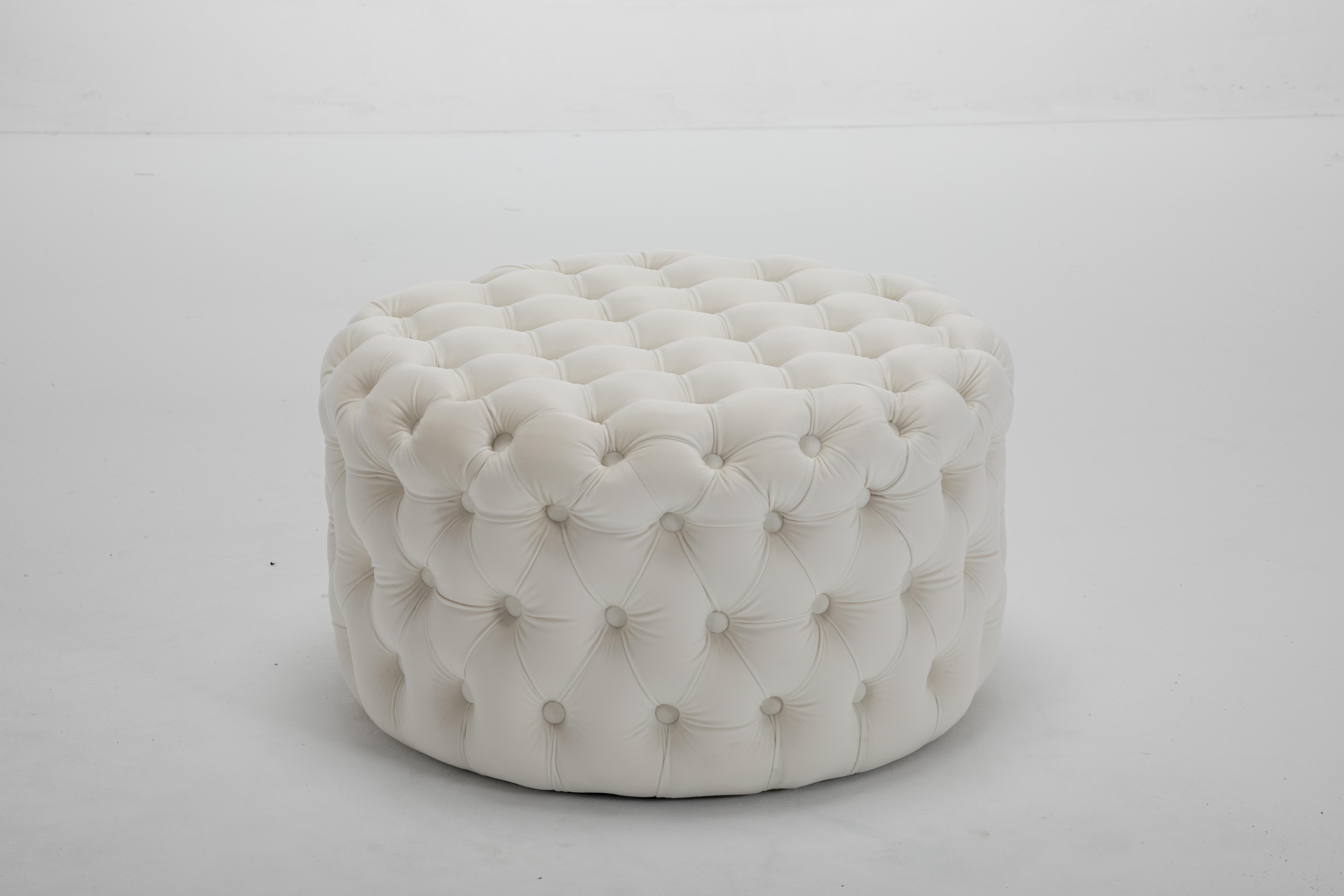
When sourcing ottoman products for retail, commercial, or residential projects, buyers must navigate a complex landscape of quality considerations, manufacturing standards, and supplier capabilities. The ottoman market encompasses diverse styles from storage ottomans to decorative pieces, each requiring specific evaluation criteria to ensure successful procurement outcomes.
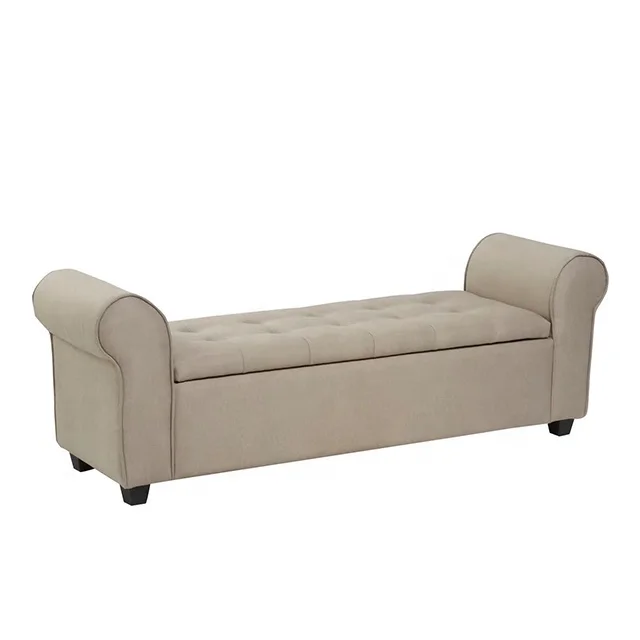
Effective ottoman sourcing demands systematic assessment of construction quality, material specifications, manufacturing processes, and supplier reliability. Professional buyers must establish clear evaluation frameworks that address both immediate quality requirements and long-term performance expectations while managing cost considerations and delivery timelines.
Material Quality and Construction Standards
Frame Materials and Structural Integrity
The foundation of any quality ottoman lies in its frame construction, which determines long-term durability and weight capacity. Buyers should verify frame materials, typically hardwood, engineered wood, or metal, ensuring they meet specified load requirements. Solid hardwood frames offer superior durability for high-use applications, while engineered materials can provide cost-effective solutions for lighter-duty ottoman products.
Joint construction methods significantly impact ottoman longevity, with mortise-and-tenon, dowel joints, and corner blocks representing preferred assembly techniques. Buyers must request detailed construction specifications and, when possible, examine sample units to assess joint quality and frame stability under typical usage conditions.
Weight capacity specifications should align with intended use scenarios, particularly for storage ottoman designs that must support both seating loads and internal storage weight. Professional buyers should establish minimum weight ratings and request load testing documentation from suppliers to verify structural performance claims.
Upholstery Materials and Fabric Selection
Fabric quality directly affects ottoman appearance, durability, and maintenance requirements throughout the product lifecycle. Buyers must evaluate fabric composition, weave density, colorfastness, and abrasion resistance ratings to ensure materials meet application-specific performance standards. Natural fibers, synthetic blends, and performance fabrics each offer distinct advantages depending on use environment and aesthetic requirements.
Upholstery attachment methods influence both appearance and durability, with professional-grade stapling, welting techniques, and seam construction requiring careful evaluation. Ottoman covers should demonstrate consistent tension, proper corner formation, and secure attachment that maintains appearance under regular use and cleaning cycles.
Stain resistance, cleaning compatibility, and fade resistance become critical factors for commercial ottoman applications or high-traffic residential environments. Buyers should request fabric performance data, including Martindale abrasion test results and colorfastness ratings, to make informed material selections.
Cushioning and Comfort Components
Foam quality, density specifications, and support characteristics determine ottoman comfort and longevity, particularly for seating applications. High-density foam typically provides better support and shape retention compared to lower-density alternatives, though buyers must balance comfort preferences with durability requirements and cost considerations.
Cushion construction methods, including foam layering, batting applications, and support systems, affect both initial comfort and long-term performance. Professional buyers should evaluate foam specifications, compression ratings, and recovery characteristics to ensure consistent performance across production runs.
Fire retardancy requirements vary by application and jurisdiction, making compliance verification essential for commercial ottoman sourcing. Buyers must confirm that cushioning materials meet applicable fire safety standards and obtain appropriate certification documentation from suppliers.
Manufacturing Process Evaluation
Production Facility Assessment
Manufacturing facility capabilities directly impact product quality, consistency, and delivery reliability for ottoman production. Buyers should evaluate production equipment, quality control systems, and workforce capabilities to assess supplier ability to meet specified requirements and maintain consistent output quality.
Quality management systems, including ISO certifications and internal quality protocols, provide insight into supplier commitment to consistent manufacturing standards. Ottoman production requires coordination across multiple processes, from frame assembly to upholstery application, making systematic quality management essential for reliable outcomes.
Production capacity and scalability considerations become crucial for buyers planning volume purchases or ongoing supply relationships. Suppliers should demonstrate adequate capacity for projected order volumes while maintaining quality standards during production scaling periods.
Quality Control and Testing Procedures
Comprehensive quality control procedures ensure ottoman products meet specified standards before shipment, reducing defect rates and customer returns. Buyers should review supplier testing protocols, inspection procedures, and defect tracking systems to evaluate quality assurance capabilities.
Pre-shipment inspection procedures should include dimensional verification, finish quality assessment, and functional testing appropriate to ottoman design specifications. Storage ottoman units require additional testing for hardware functionality, weight capacity, and safety mechanisms.
Documentation systems for quality control results, defect tracking, and corrective actions provide buyers with visibility into supplier performance trends and continuous improvement efforts. Regular quality reports and statistical process control data help buyers monitor supplier performance over time.
Customization and Design Flexibility
Customization capabilities allow buyers to adapt ottoman products to specific market requirements or design preferences while maintaining manufacturing efficiency. Suppliers should demonstrate flexibility in fabric selection, dimensional modifications, and feature additions without compromising production timelines or quality standards.
Design modification processes, including sample development, approval procedures, and production implementation, require clear communication protocols and timeline management. Ottoman customization often involves coordination between design teams, production planning, and quality assurance functions.
Minimum order quantities for custom ottoman configurations vary significantly among suppliers, affecting feasibility for specialized applications or limited-run projects. Buyers should establish customization parameters and volume requirements early in the sourcing process to identify suitable suppliers.
Supplier Reliability and Business Practices
Financial Stability and Business Credentials
Supplier financial stability affects delivery reliability, quality consistency, and long-term business relationship viability for ottoman sourcing partnerships. Buyers should evaluate financial statements, credit ratings, and business references to assess supplier stability and capability for sustained performance.
Business credentials, including relevant certifications, industry memberships, and compliance documentation, indicate supplier professionalism and commitment to industry standards. Ottoman manufacturers should demonstrate appropriate business licenses, export capabilities, and regulatory compliance for target markets.
Payment terms, credit policies, and financial arrangements should align with buyer cash flow requirements while providing appropriate risk mitigation. Flexible payment options and reasonable credit terms often indicate established suppliers with stable business operations.
Communication and Customer Service Capabilities
Effective communication throughout the ottoman sourcing process requires responsive customer service, technical support, and project management capabilities from suppliers. Language capabilities, time zone coverage, and communication technology affect collaboration efficiency and problem resolution effectiveness.
Technical support capabilities become particularly important for complex ottoman designs, customization requirements, or quality issues requiring supplier expertise. Knowledgeable technical staff should be available to address design questions, specification clarifications, and production challenges.
Order management systems, including tracking capabilities, status updates, and delivery coordination, provide buyers with visibility into production progress and shipping logistics. Automated communication systems and dedicated account management enhance the sourcing experience for regular ottoman purchases.
Compliance and Ethical Standards
Regulatory compliance for ottoman products varies by target market, encompassing safety standards, labeling requirements, and environmental regulations. Suppliers should demonstrate knowledge of applicable standards and maintain appropriate compliance documentation for relevant jurisdictions.
Ethical manufacturing practices, including labor standards, environmental responsibility, and social compliance, increasingly influence supplier selection decisions. Ottoman buyers should evaluate supplier policies, audit results, and certification status for relevant ethical standards.
Documentation and traceability systems support compliance verification and quality assurance throughout the ottoman supply chain. Suppliers should maintain records of material sources, production processes, and quality control results to support buyer compliance requirements.
Cost Analysis and Value Assessment
Total Cost of Ownership Evaluation
Ottoman sourcing decisions require comprehensive cost analysis beyond initial purchase price, including shipping, duties, quality control, and potential warranty obligations. Total landed cost calculations should incorporate all expenses associated with bringing ottoman products to final destination and market-ready condition.
Quality-related costs, including inspection expenses, defect management, and potential returns, significantly impact overall project economics. Higher-quality ottoman products may justify premium pricing through reduced quality costs and improved customer satisfaction outcomes.
Long-term relationship costs, including supplier development, communication overhead, and switching costs, affect the value proposition for ongoing ottoman sourcing partnerships. Established supplier relationships often provide operational efficiencies that offset higher unit costs.
Market Competitiveness and Pricing Structure
Pricing competitiveness must be evaluated within the context of quality specifications, delivery requirements, and service levels for meaningful ottoman supplier comparisons. Low-price suppliers may require additional oversight, quality control, or risk management investments that affect total project costs.
Volume pricing structures and quantity breaks influence sourcing strategy for buyers with varying order sizes or seasonal demand patterns. Ottoman suppliers typically offer tiered pricing that rewards larger commitments while providing flexibility for smaller test orders.
Price stability and adjustment mechanisms become important considerations for long-term ottoman sourcing relationships, particularly in volatile material cost environments. Transparent pricing policies and reasonable adjustment procedures help manage cost predictability for buyers.
FAQ
What quality certifications should ottoman suppliers provide?
Ottoman suppliers should provide relevant quality management certifications such as ISO 9001, along with product-specific certifications for fire retardancy, structural testing, and fabric performance. Additionally, suppliers should offer compliance documentation for target market regulations, including safety standards and labeling requirements applicable to ottoman products in specific jurisdictions.
How can buyers verify ottoman structural integrity before large orders?
Buyers should request pre-production samples for physical testing, including weight capacity verification, joint stability assessment, and durability testing under simulated use conditions. Professional inspection services can provide independent structural analysis, while supplier quality documentation should include load testing results and construction specifications for the specific ottoman design being sourced.
What lead times are typical for custom ottoman production?
Custom ottoman production typically requires 4-8 weeks from design approval to shipment, depending on customization complexity and supplier capacity. Sample development adds 2-3 weeks to initial timelines, while fabric sourcing for special materials may extend lead times further. Buyers should establish clear milestone schedules and maintain regular communication with suppliers to manage delivery expectations effectively.
How should buyers evaluate ottoman supplier financial stability?
Buyers should review supplier financial statements, credit reports, and business references to assess financial stability for ottoman sourcing partnerships. Trade association memberships, export licenses, and established business relationships indicate operational maturity, while payment term flexibility and credit policies often reflect financial strength and business stability in the furniture manufacturing sector.