
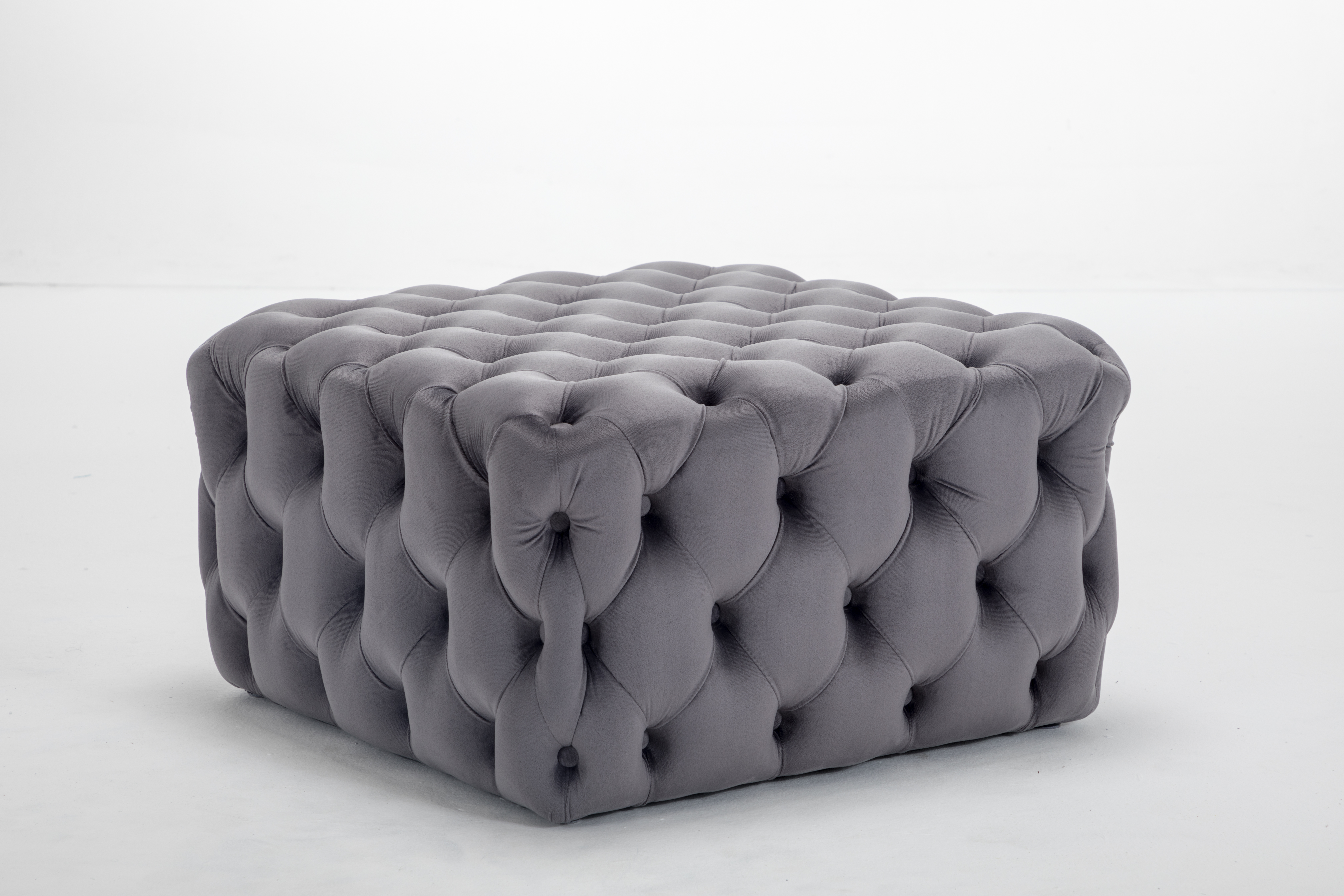
When selecting an ottoman for your living space, the material choice fundamentally determines not only the aesthetic appeal but also the longevity, maintenance requirements, and overall value of your investment. Understanding the various ottoman materials available and their specific characteristics empowers buyers to make informed decisions that align with their lifestyle, design preferences, and practical needs.
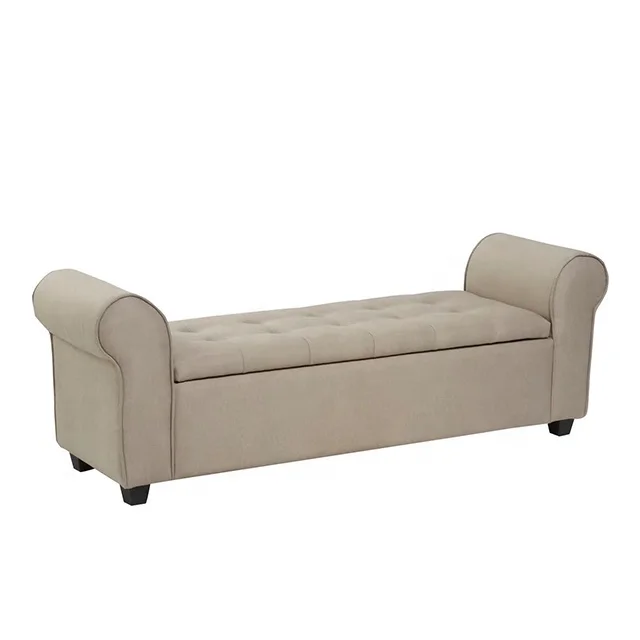
The material composition of an ottoman affects everything from its durability in high-traffic areas to its compatibility with existing furniture pieces. Whether you're considering fabric upholstery, leather finishes, or alternative materials, each option presents distinct advantages and considerations that directly impact the ottoman's performance in your specific environment. Making the right material choice ensures your ottoman serves both functional and aesthetic purposes effectively for years to come.
Fabric Upholstery Considerations for Ottoman Selection
Natural Fiber Fabrics and Their Performance Characteristics
Natural fiber fabrics offer timeless appeal for ottoman upholstery, with cotton, linen, and wool representing the most popular choices among discerning buyers. Cotton-based ottoman covers provide excellent breathability and comfort, making them ideal for frequently used seating areas. The fiber's natural properties allow for easy cleaning and maintenance, though buyers should consider that pure cotton may be prone to wrinkling and fading over time without proper treatment.
Linen upholstery brings a sophisticated, relaxed aesthetic to any ottoman design, particularly suited for contemporary and casual living spaces. This natural material offers exceptional durability when properly maintained, though its tendency to wrinkle easily requires buyers to accept this characteristic as part of its natural charm. Linen ottoman covers typically age gracefully, developing a lived-in appearance that many homeowners find appealing.
Wool fabrics provide superior durability and natural stain resistance for ottoman applications, making them excellent choices for families with children or pets. The fiber's inherent properties help repel moisture and resist odors, though buyers should budget for professional cleaning to maintain the ottoman's appearance over time. Wool blends often offer the best balance of performance and affordability for ottoman upholstery needs.
Synthetic Fabric Options and Modern Performance Benefits
Modern synthetic fabrics have revolutionized ottoman upholstery options, offering enhanced durability, stain resistance, and color retention compared to many natural alternatives. Polyester blends provide excellent wrinkle resistance and maintain their appearance with minimal maintenance, making them practical choices for busy households. These materials often incorporate advanced treatments that enhance their performance characteristics while maintaining an attractive aesthetic.
Microfiber ottoman covers deliver exceptional softness and easy maintenance, with many formulations designed to resist stains, fading, and wear. The tight weave of microfiber materials helps prevent pet hair and debris from embedding in the fabric surface, simplifying regular cleaning routines. Buyers appreciate that microfiber ottoman upholstery often costs less than natural alternatives while delivering superior practical performance.
Performance fabrics specifically engineered for furniture applications represent the premium end of synthetic ottoman materials. These advanced textiles often incorporate moisture-wicking properties, antimicrobial treatments, and enhanced UV resistance that natural fabrics cannot match. While initially more expensive, performance fabric ottoman covers often provide better long-term value through reduced maintenance costs and extended lifespan.
Leather Materials and Their Impact on Ottoman Functionality
Genuine Leather Types and Quality Considerations
Genuine leather remains one of the most sought-after materials for ottoman construction, offering unmatched durability and developing a beautiful patina over time. Full-grain leather represents the highest quality option, utilizing the complete hide thickness to provide maximum strength and natural character. An ottoman crafted with full-grain leather will typically last decades with proper care, justifying the higher initial investment for many buyers.
Top-grain leather offers excellent quality at a more accessible price point, featuring the outer layer of the hide with light surface treatments to improve consistency. This leather type provides good durability and develops an attractive patina, though it may not achieve the same depth of character as full-grain alternatives. Buyers often find top-grain leather ottoman covers offer the best balance of quality, appearance, and affordability for their needs.
Split leather and corrected-grain options provide leather aesthetics at budget-friendly prices, though buyers should understand the performance compromises involved. These materials undergo more extensive processing that can affect breathability and natural aging characteristics. While suitable for ottoman applications with lighter use, these leather grades may not provide the longevity expected from premium leather furniture pieces.
Faux Leather Alternatives and Their Practical Benefits
Modern faux leather materials have achieved remarkable quality improvements, offering ottoman buyers leather-like aesthetics without the maintenance requirements or cost of genuine hide. High-quality synthetic leather provides consistent color and texture across the entire ottoman surface, eliminating the natural variations that some buyers prefer to avoid. These materials typically resist staining, fading, and cracking better than lower-grade genuine leather options.
Polyurethane-based faux leather delivers excellent durability and easy maintenance for ottoman applications, particularly in households with children or pets. The non-porous surface prevents liquid absorption and allows for simple cleaning with standard household products. Many buyers appreciate that faux leather ottoman covers eliminate concerns about leather conditioning and specialized care products required for genuine hide materials.
Eco-friendly faux leather options appeal to environmentally conscious buyers seeking ottoman materials that align with their values. These synthetic alternatives often incorporate recycled materials or bio-based components while delivering the visual appeal of traditional leather. The consistent quality and performance of modern faux leather makes it an attractive choice for buyers prioritizing both sustainability and practical functionality in their ottoman selection.
Alternative Ottoman Materials and Specialized Applications
Woven and Textured Material Options
Woven materials such as jute, hemp, and rattan offer unique aesthetic possibilities for ottoman construction while providing excellent durability in appropriate applications. These natural materials bring organic texture and visual interest to living spaces, particularly complementing bohemian, coastal, or eco-friendly design themes. Buyers should consider that woven ottoman materials may require more frequent cleaning to prevent dust and debris accumulation in the textured surfaces.
Rope and cord materials create distinctive ottoman designs that serve both functional and decorative purposes. These materials typically wrap around a sturdy frame structure, providing comfortable seating while adding visual texture to the room. Maintenance of rope-based ottoman construction requires regular inspection for wear and potential replacement of damaged sections, making this option more suitable for decorative rather than heavy-use applications.
Outdoor-rated woven materials expand ottoman placement possibilities beyond indoor environments, allowing buyers to extend their seating options to patios, porches, and garden areas. These specialized materials resist moisture, UV exposure, and temperature fluctuations while maintaining their structural integrity and appearance. The durability of outdoor woven ottoman materials often exceeds that of indoor alternatives, though their aesthetic may not suit all interior design preferences.
Metal and Wood Frame Integration with Upholstery Materials
The integration of metal framework with upholstered ottoman materials creates modern, industrial-inspired designs that appeal to contemporary tastes. Steel and aluminum frames provide exceptional structural support while allowing for creative material combinations that highlight both the metal and fabric elements. Buyers should consider how the metal components will affect the ottoman's weight and portability for their intended use patterns.
Wooden frame elements combined with upholstered ottoman surfaces offer traditional appeal with modern functionality. The wood species selection affects both the aesthetic and structural characteristics of the finished piece, with hardwoods providing superior durability for frequently moved ottoman applications. Natural wood finishes require periodic maintenance to preserve their appearance, adding to the overall care requirements for the ottoman.
Mixed-material ottoman designs that incorporate multiple upholstery materials create visual interest and functional zones within a single piece. These creative combinations might feature leather seating surfaces with fabric side panels or contrast piping details that highlight the ottoman's construction quality. Buyers should ensure that all material components share compatible care requirements to simplify long-term maintenance.
Durability and Maintenance Factors by Material Type
Understanding Material Lifespan and Wear Patterns
Different ottoman materials exhibit distinct wear patterns that buyers should understand before making their selection. Fabric upholstery typically shows wear through pilling, color fading, and eventual fiber breakdown, with the timeline varying significantly based on fiber quality and usage intensity. High-traffic ottoman applications demand materials specifically chosen for their resistance to these common wear mechanisms.
Leather ottoman materials age differently than fabric alternatives, often improving in appearance and comfort over time when properly maintained. The natural oils in leather help it remain supple and develop character, though exposure to sunlight and dry conditions can cause cracking and stiffening. Understanding these aging characteristics helps buyers set appropriate expectations for their leather ottoman investment.
Synthetic materials generally provide more predictable performance over time, with wear patterns that remain consistent throughout the ottoman's service life. These materials rarely improve with age like leather but also avoid the degradation issues that can affect natural fibers. The stability of synthetic ottoman materials makes them ideal for buyers seeking predictable, low-maintenance performance.
Care Requirements and Long-term Maintenance Considerations
Fabric ottoman materials typically require regular vacuuming and periodic professional cleaning to maintain their appearance and hygiene. The frequency of required maintenance varies with the material type, with performance fabrics generally needing less intensive care than natural fibers. Buyers should factor ongoing maintenance costs into their ottoman material selection process to ensure long-term affordability.
Leather ottoman care involves regular conditioning to prevent cracking and maintain flexibility, along with protection from excessive moisture and direct sunlight. Quality leather conditioners and cleaners represent ongoing expenses that buyers should budget for when choosing leather ottoman materials. The investment in proper leather care typically pays dividends in extended service life and maintained appearance.
Synthetic ottoman materials generally require only basic cleaning with household products, making them attractive for buyers seeking minimal maintenance obligations. However, some synthetic materials may be susceptible to heat damage or harsh chemical cleaners, requiring buyers to understand the specific care limitations of their chosen ottoman material. Reading and following manufacturer care instructions ensures optimal performance and longevity.
FAQ
What is the most durable material for an ottoman that will be used daily?
For daily use applications, high-quality leather or performance fabric materials provide the best durability for ottoman construction. Full-grain leather develops character over time while maintaining structural integrity, while performance fabrics offer superior stain resistance and easy maintenance. Both options can withstand frequent use while maintaining their appearance with proper care.
How do I determine if an ottoman material is suitable for homes with pets?
Pet-friendly ottoman materials should resist scratching, repel pet hair, and clean easily when accidents occur. Microfiber and performance fabrics typically excel in pet households due to their tight weave and stain-resistant properties. Leather can also work well if properly conditioned, though buyers should avoid materials with loose weaves that can trap pet hair or damage easily from claws.
Are there ottoman materials that work well in both indoor and outdoor settings?
Solution-dyed acrylic fabrics and marine-grade vinyl materials perform excellently in both indoor and outdoor ottoman applications. These materials resist UV fading, moisture damage, and temperature fluctuations while maintaining comfort and aesthetic appeal. However, buyers should verify that the entire ottoman construction, including frame materials, can withstand outdoor exposure.
What should buyers consider when choosing ottoman materials for formal living spaces?
Formal living space ottoman materials should emphasize elegance and sophisticated appearance while providing appropriate durability for occasional use. High-quality fabrics like silk blends, premium wool, or fine leather work well in formal settings. The material should complement existing furniture finishes and maintain its appearance without requiring frequent maintenance that might disrupt the formal atmosphere.
Table of Contents
- Fabric Upholstery Considerations for Ottoman Selection
- Leather Materials and Their Impact on Ottoman Functionality
- Alternative Ottoman Materials and Specialized Applications
- Durability and Maintenance Factors by Material Type
-
FAQ
- What is the most durable material for an ottoman that will be used daily?
- How do I determine if an ottoman material is suitable for homes with pets?
- Are there ottoman materials that work well in both indoor and outdoor settings?
- What should buyers consider when choosing ottoman materials for formal living spaces?