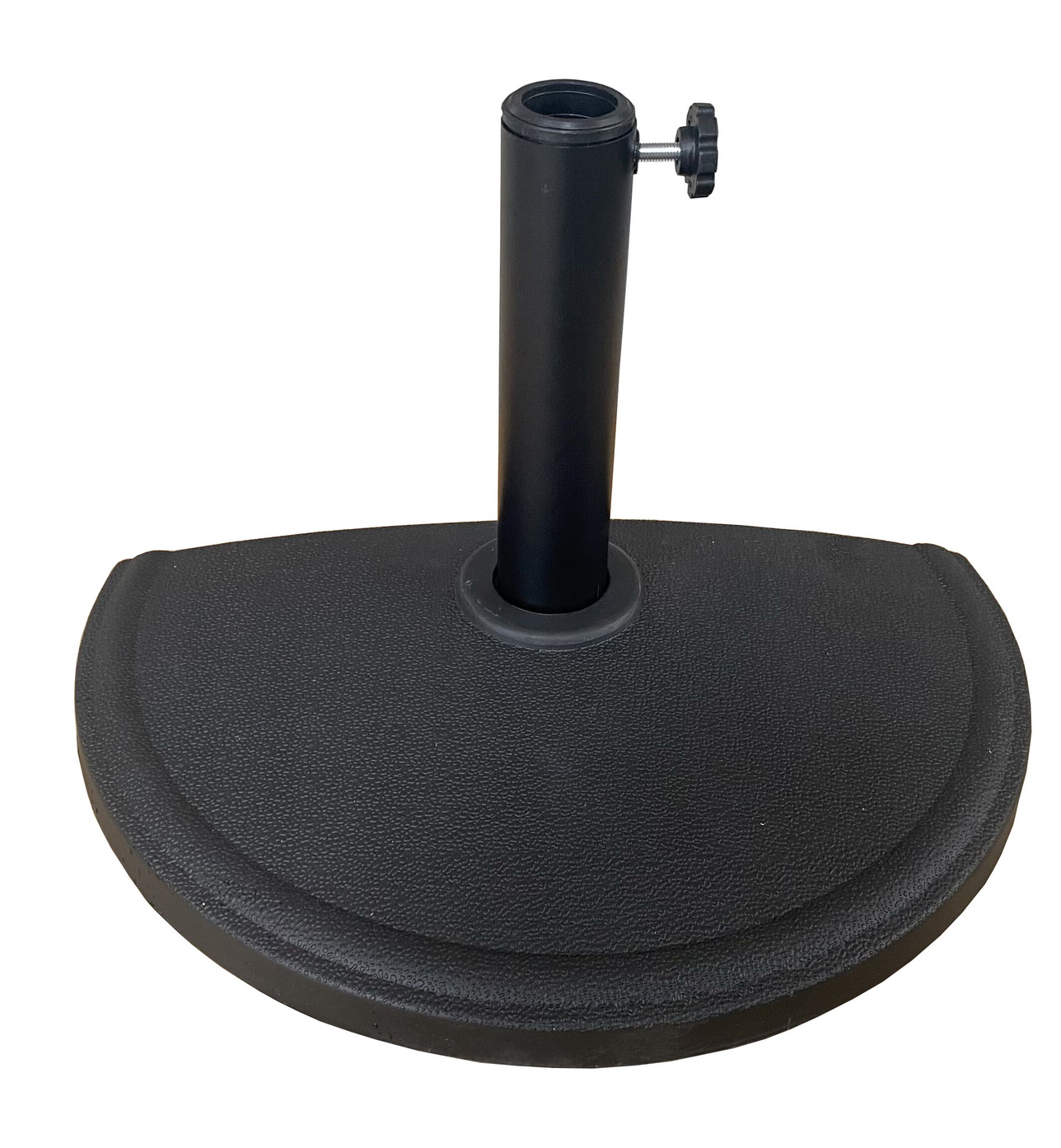
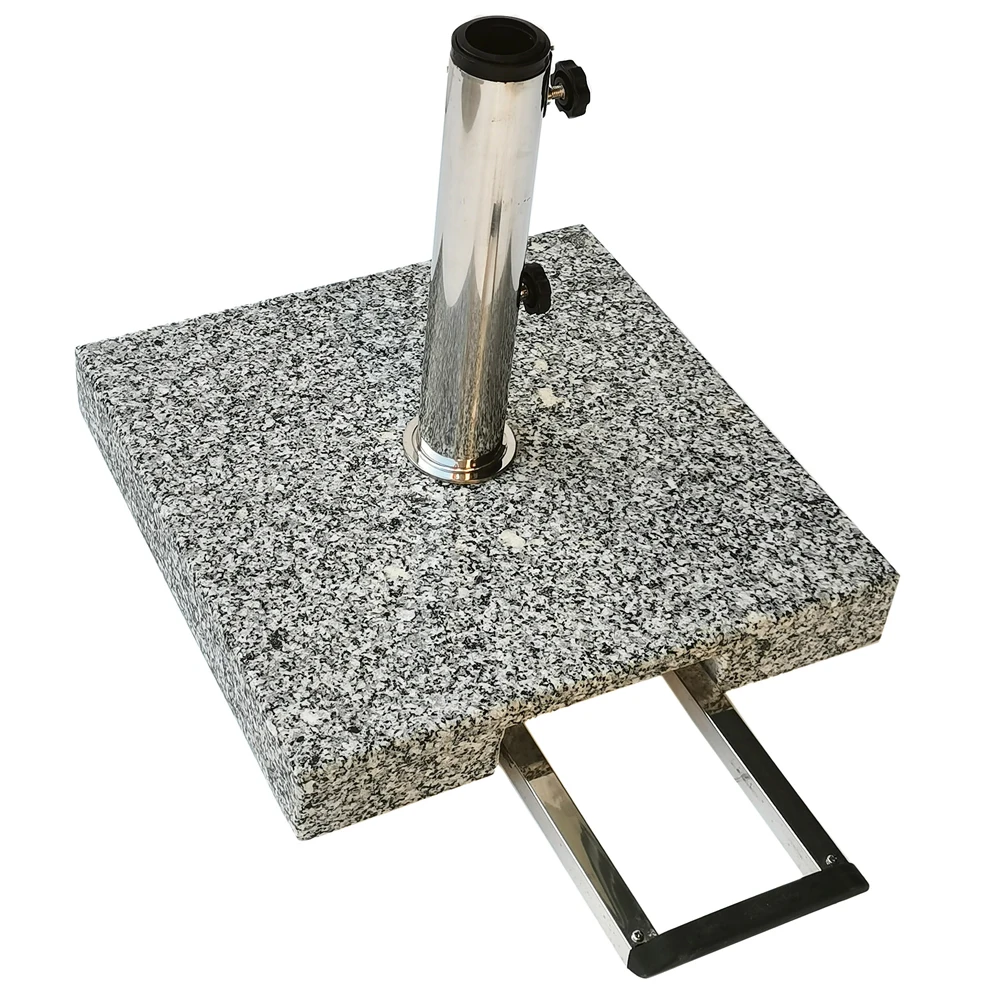
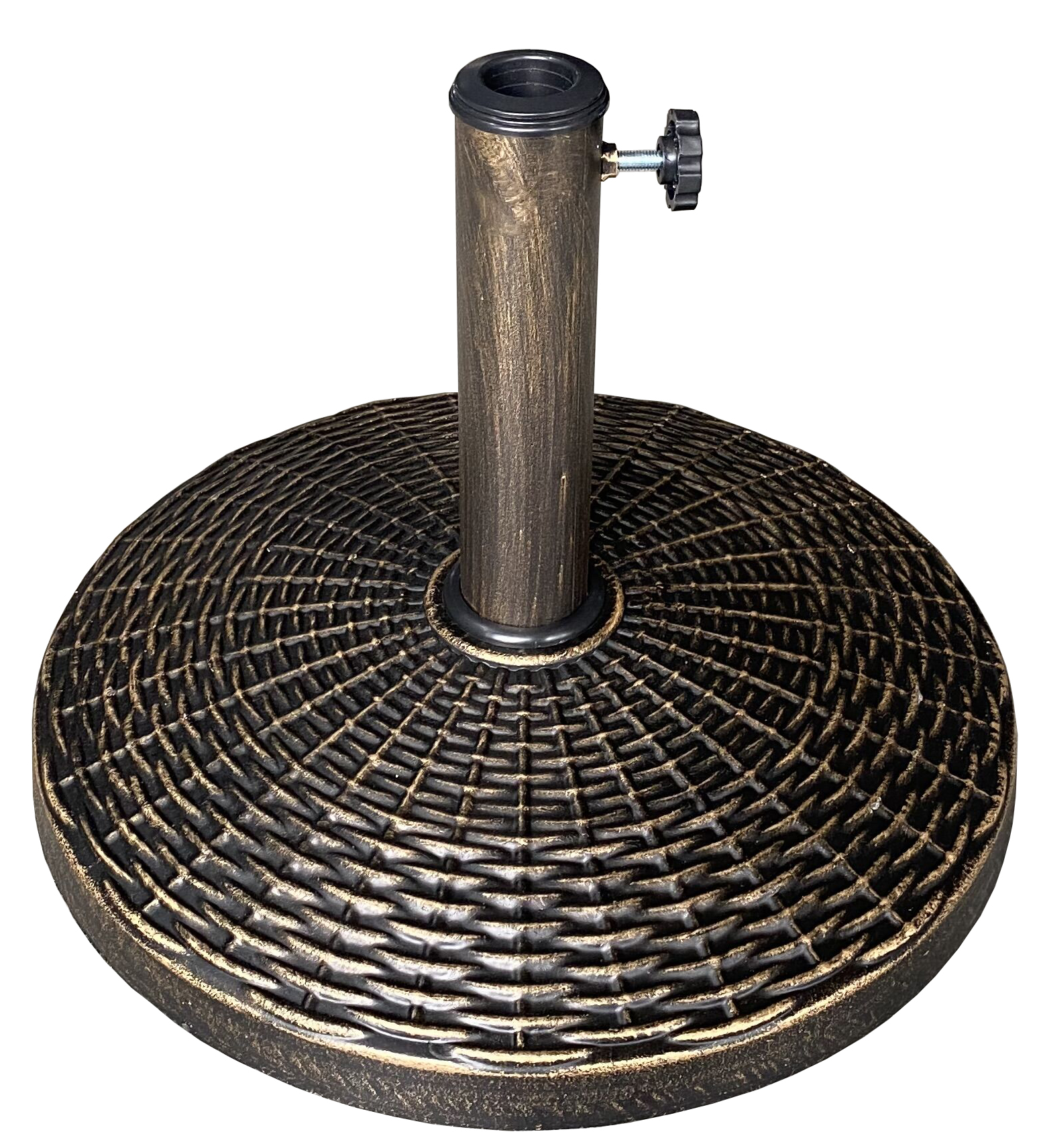
umbrella base
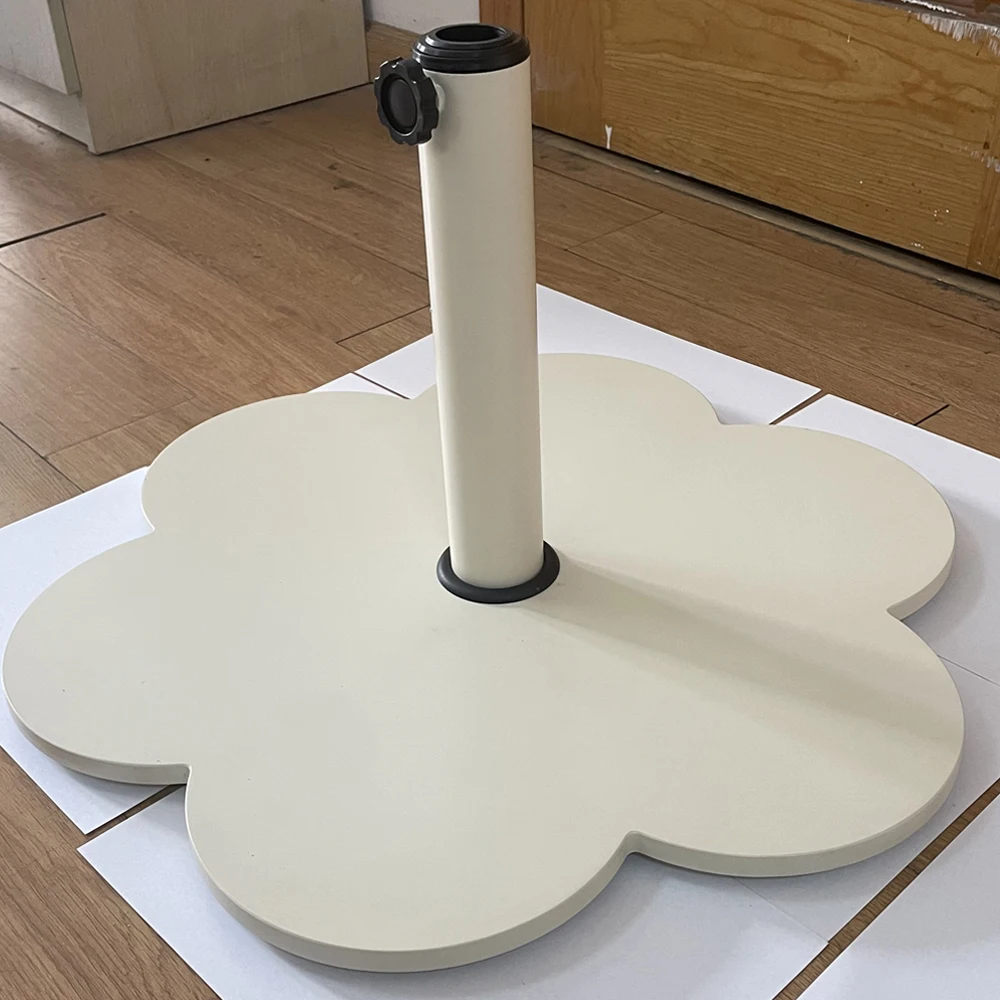
An umbrella base is a sturdy foundational component designed to provide stability and support for umbrellas in various outdoor and indoor settings. This essential accessory serves as the anchor point that prevents umbrellas from tipping over due to wind, weight distribution, or accidental contact. The umbrella base functions by distributing the weight of the umbrella evenly across a wider surface area, creating a low center of gravity that enhances overall stability.
Modern umbrella bases incorporate advanced technological features that maximize their effectiveness. Many designs include weighted construction using materials like cast iron, steel, or composite substances that add substantial heft without excessive bulk. Some umbrella base models feature adjustable mechanisms that accommodate different pole diameters, ensuring compatibility with various umbrella types. Premium versions include non-slip surfaces, rubberized grips, and weather-resistant coatings that protect against moisture and UV damage.
The umbrella base finds extensive applications across commercial and residential environments. Restaurants and cafes utilize umbrella bases to secure patio umbrellas, creating safe outdoor dining spaces. Retail businesses employ them for storefront displays and customer seating areas. Home gardeners use umbrella bases to maintain shade structures in yards and gardens. Event planners rely on umbrella bases for outdoor gatherings, weddings, and festivals. Beach facilities use specialized umbrella bases designed for sandy environments. The versatility of the umbrella base makes it indispensable for anyone requiring reliable umbrella support and safety in outdoor settings.