
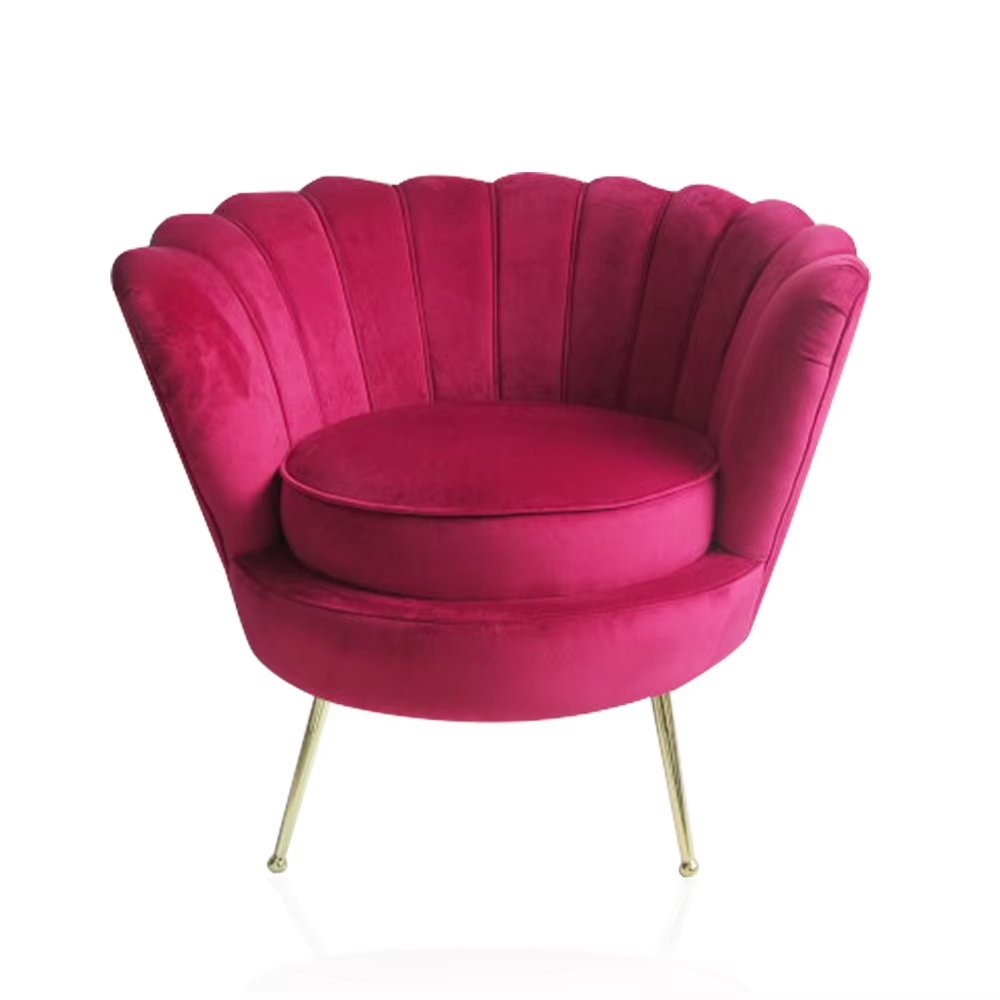
An accent chair serves as a powerful design element that fundamentally transforms how interior spaces function and feel. By strategically positioning this versatile furniture piece, designers can create visual anchors that guide the eye through a room while establishing focal points that enhance the overall spatial experience. The accent chair operates beyond mere seating, functioning as an architectural element that influences traffic flow, visual balance, and the psychological perception of space.
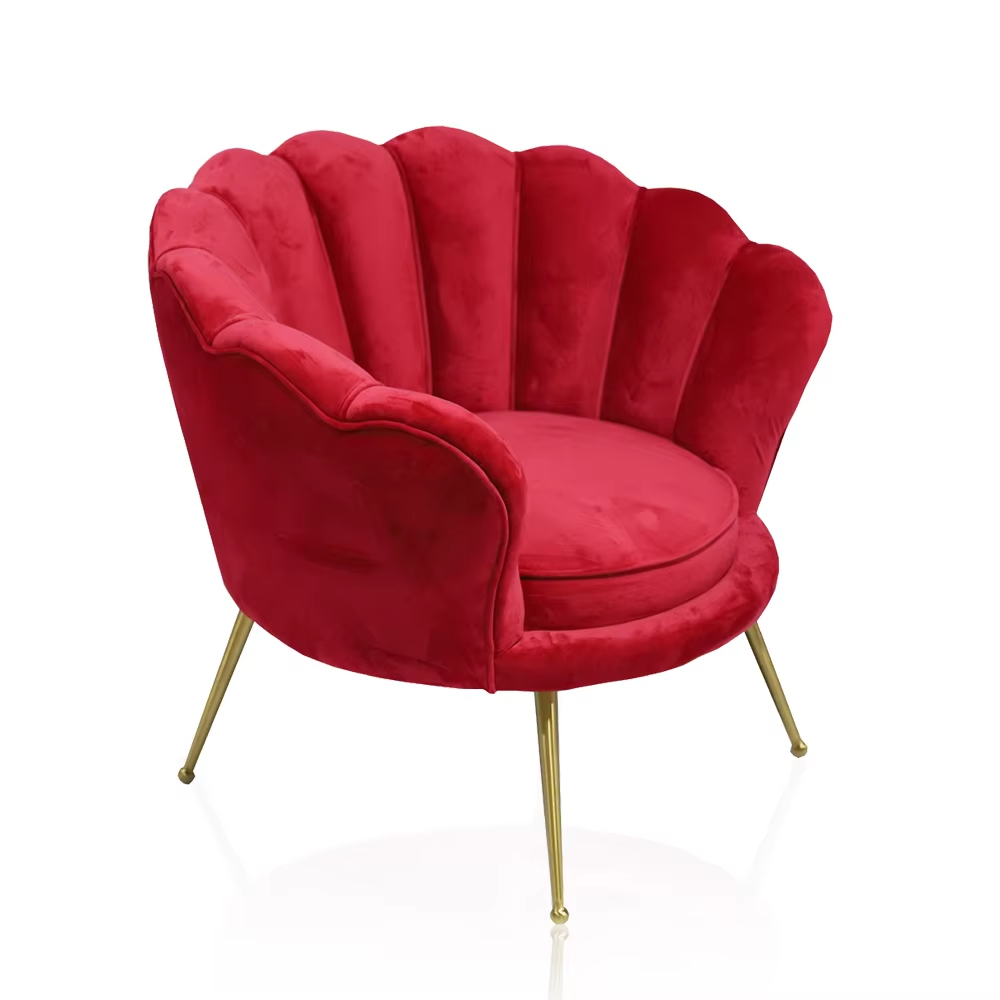
Interior layout design relies on the strategic placement of key furniture pieces to create harmonious and functional environments. The accent chair acts as both a design catalyst and a spatial organizer, influencing how people navigate and interact with interior spaces. Understanding how this single piece impacts layout dynamics enables designers and homeowners to maximize both aesthetic appeal and practical functionality within their living environments.
Visual Weight Distribution and Spatial Balance
Creating Symmetrical and Asymmetrical Balance
The accent chair plays a crucial role in establishing visual equilibrium within interior layout design by serving as a counterpoint to larger furniture pieces. When positioned strategically, an accent chair can balance the visual weight of a sofa or entertainment center, preventing the room from feeling lopsided or overwhelming. This balance technique works particularly well in living rooms where the accent chair anchors one side of the seating arrangement while complementing the primary furniture grouping.
Asymmetrical balance becomes achievable when the accent chair possesses distinct design characteristics that draw attention without competing with the room's focal point. The chair's unique upholstery, distinctive silhouette, or contrasting color creates visual interest that balances heavier elements positioned elsewhere in the space. This approach allows for more dynamic and contemporary layout arrangements that feel intentional rather than accidentally placed.
Professional designers often use the accent chair as a tool for testing spatial relationships during the layout planning phase. By moving this relatively lightweight piece to different positions, they can quickly assess how various arrangements affect the room's visual stability and flow patterns before committing to permanent furniture placement decisions.
Scale Proportion Management
An accent chair helps establish appropriate scale relationships within interior layout design by bridging the gap between large and small furnishing elements. In rooms dominated by oversized sectional sofas or massive dining tables, the accent chair provides intermediate scale that prevents the space from feeling either overwhelming or sparse. This proportional mediation creates more comfortable and inviting environments.
The chair's dimensions influence how occupants perceive the overall room size and ceiling height. A tall-backed accent chair can make standard ceiling heights appear more generous, while a low-profile chair emphasizes horizontal space and creates a sense of openness. These proportional effects directly impact layout decisions regarding furniture arrangement and spatial organization.
Scale management through accent chair selection also affects traffic pattern efficiency. Appropriately sized chairs allow for comfortable navigation around furniture groupings while maintaining adequate clearance for movement between different areas of the room. This consideration becomes particularly important in smaller spaces where every inch of floor area contributes to the overall functionality.
Traffic Flow Enhancement and Spatial Organization
Directing Movement Patterns
The strategic placement of an accent chair creates invisible pathways that guide occupant movement through interior spaces. By positioning the chair at key transition points, designers can subtly direct traffic flow while creating natural stopping points that encourage social interaction or contemplative moments. This directional influence helps organize complex floor plans into logical zones without requiring physical barriers.
Interior layout design benefits from the accent chair's ability to define conversation areas and intimate seating clusters. The chair's position relative to other seating elements establishes social hierarchies and interaction patterns that influence how people use the space. Angling the accent chair toward a sofa creates an inclusive conversation zone, while positioning it perpendicular to the main seating suggests more formal or independent usage patterns.
Traffic flow management through accent chair placement also involves creating clear sight lines and maintaining adequate passage widths. The chair's footprint and orientation must accommodate comfortable movement while preserving the room's visual connections between different functional areas. This balance requires careful consideration of both human ergonomics and aesthetic composition principles.
Zone Definition and Space Delineation
An accent chair functions as a spatial punctuation mark that helps define distinct functional zones within open floor plans. By marking the boundary between living and dining areas, or creating a reading nook within a larger room, the chair establishes territorial boundaries without disrupting visual continuity. This zoning capability proves essential in contemporary homes with minimal architectural divisions.
The accent chair's role in space delineation extends to creating privacy levels within shared environments. A strategically positioned chair can provide psychological separation while maintaining physical openness, allowing occupants to feel both connected to and separated from adjacent activities. This dual function supports flexible living arrangements that adapt to changing daily needs.
Zone definition through accent chair placement also influences lighting design and acoustic considerations. The chair's position affects how natural and artificial light distribute throughout the space, while its upholstered surfaces contribute to sound absorption and acoustic comfort. These environmental factors directly impact the success of layout design decisions and overall occupant satisfaction.
Color Theory and Pattern Integration
Chromatic Anchoring and Color Flow
The accent chair serves as a chromatic anchor point that establishes color relationships throughout the interior layout design. By introducing a bold or contrasting hue, the chair creates a visual reference that influences all subsequent color decisions, from wall treatments to accessory selections. This chromatic leadership helps maintain color consistency while preventing spaces from becoming monotonous or visually flat.
Color flow management through accent chair selection involves understanding how different hues affect spatial perception and emotional response. Warm colors advance visually and make the chair appear closer, while cool colors recede and create a sense of distance. These perceptual effects influence furniture arrangement decisions and help optimize the room's proportional relationships.
The accent chair's color intensity and saturation levels also affect how light behaves within the space. Highly saturated colors absorb more light and create dramatic focal points, while muted tones reflect light and contribute to overall brightness levels. These lighting interactions must be considered during layout planning to ensure adequate illumination and visual comfort throughout the room.
Pattern Mixing and Textural Layering
An accent chair provides opportunities for sophisticated pattern integration that enhances interior layout design through visual complexity and depth. The chair's upholstery can introduce geometric patterns, floral motifs, or textural elements that complement or contrast with existing design elements throughout the room. This pattern interplay creates visual interest while maintaining overall design coherence.
Textural layering through accent chair selection adds tactile richness that improves the space's sensory appeal and perceived quality. Different fabric treatments, from smooth leather to nubby bouclé, contribute unique surface characteristics that influence both visual and physical comfort levels. These textural variations must be balanced against other materials used throughout the layout design to maintain harmony.
The accent chair's pattern and texture choices also affect maintenance considerations and long-term durability within the interior layout. High-traffic positions require more resilient materials, while protected locations can accommodate delicate or high-maintenance fabrics. These practical factors influence both initial selection decisions and ongoing satisfaction with the design solution.
Functional Flexibility and Adaptive Design
Multi-Purpose Integration
The accent chair enhances interior layout design by providing functional flexibility that adapts to changing usage patterns and lifestyle needs. Unlike fixed built-in seating, the accent chair can be repositioned to accommodate different activities, from intimate conversations to formal presentations. This adaptability allows interior layouts to evolve without requiring major furniture replacements or spatial reorganization.
Multi-purpose functionality extends to the accent chair's role in different social configurations and entertainment scenarios. During parties, the chair can be moved to expand conversation areas or create additional seating clusters. For quiet activities, it provides a private retreat that supports reading, work, or contemplation. This versatility maximizes the utility of every square foot within the interior layout.
The accent chair's mobility also supports seasonal layout adjustments and decorative changes. Summer arrangements might emphasize airflow and lightness, while winter configurations focus on warmth and coziness. The chair's ability to accommodate these shifting priorities helps maintain year-round satisfaction with the interior layout design.
Storage and Display Integration
Modern accent chair designs often incorporate hidden storage solutions that enhance interior layout efficiency by reducing clutter and organizing personal items. Ottoman-style accent chairs provide concealed storage for blankets, books, or electronic devices, while maintaining their primary seating function. This dual purpose optimization helps smaller spaces achieve greater functionality without sacrificing aesthetic appeal.
Display integration opportunities arise when accent chairs feature distinctive design elements that showcase craftsmanship, materials, or artistic vision. These chairs function as sculptural elements that contribute to the room's cultural and aesthetic identity while providing practical seating solutions. This artistic integration elevates the overall design sophistication and creates memorable spatial experiences.
The accent chair's relationship with surrounding storage and display elements affects overall layout organization and visual flow. Coordinating the chair's position with bookcases, art collections, or entertainment centers creates cohesive design narratives that enhance both functionality and aesthetic impact throughout the interior space.
FAQ
Where should I position an accent chair to maximize its impact on room layout?
Position your accent chair at a slight angle to the main seating area, typically 6-8 feet away from sofas to encourage conversation while maintaining visual balance. Avoid placing it directly against walls, as floating the chair creates better traffic flow and makes the room feel more spacious. Consider positioning it near windows or architectural features to take advantage of natural light and interesting backdrop elements.
How do I choose an accent chair size that complements my existing furniture layout?
Select an accent chair whose seat height matches or sits slightly lower than your sofa cushions, typically 16-18 inches from the floor. The chair's overall height should not exceed your sofa back by more than 6 inches to maintain proportional harmony. Consider the chair's footprint in relation to available floor space, ensuring at least 30 inches of clearance around the chair for comfortable movement.
Can an accent chair work effectively in small spaces without overwhelming the layout?
Yes, accent chairs can enhance small spaces when chosen thoughtfully. Select chairs with exposed legs and streamlined profiles that maintain visual lightness while providing full seating functionality. Light-colored upholstery helps reflect light and prevents the chair from visually weighing down the space. Consider chairs with swivel bases that can serve multiple seating arrangements without requiring repositioning.
What role does an accent chair play in open floor plan layouts?
In open floor plans, accent chairs serve as transitional elements that define separate zones without creating visual barriers. They help establish conversation areas within larger spaces and provide flexible seating that can adapt to different social configurations. The chair's mobility allows for easy reconfiguration when transitioning between daily activities and entertainment functions, making open spaces more versatile and user-friendly.
Table of Contents
- Visual Weight Distribution and Spatial Balance
- Traffic Flow Enhancement and Spatial Organization
- Color Theory and Pattern Integration
- Functional Flexibility and Adaptive Design
-
FAQ
- Where should I position an accent chair to maximize its impact on room layout?
- How do I choose an accent chair size that complements my existing furniture layout?
- Can an accent chair work effectively in small spaces without overwhelming the layout?
- What role does an accent chair play in open floor plan layouts?