sensory swing
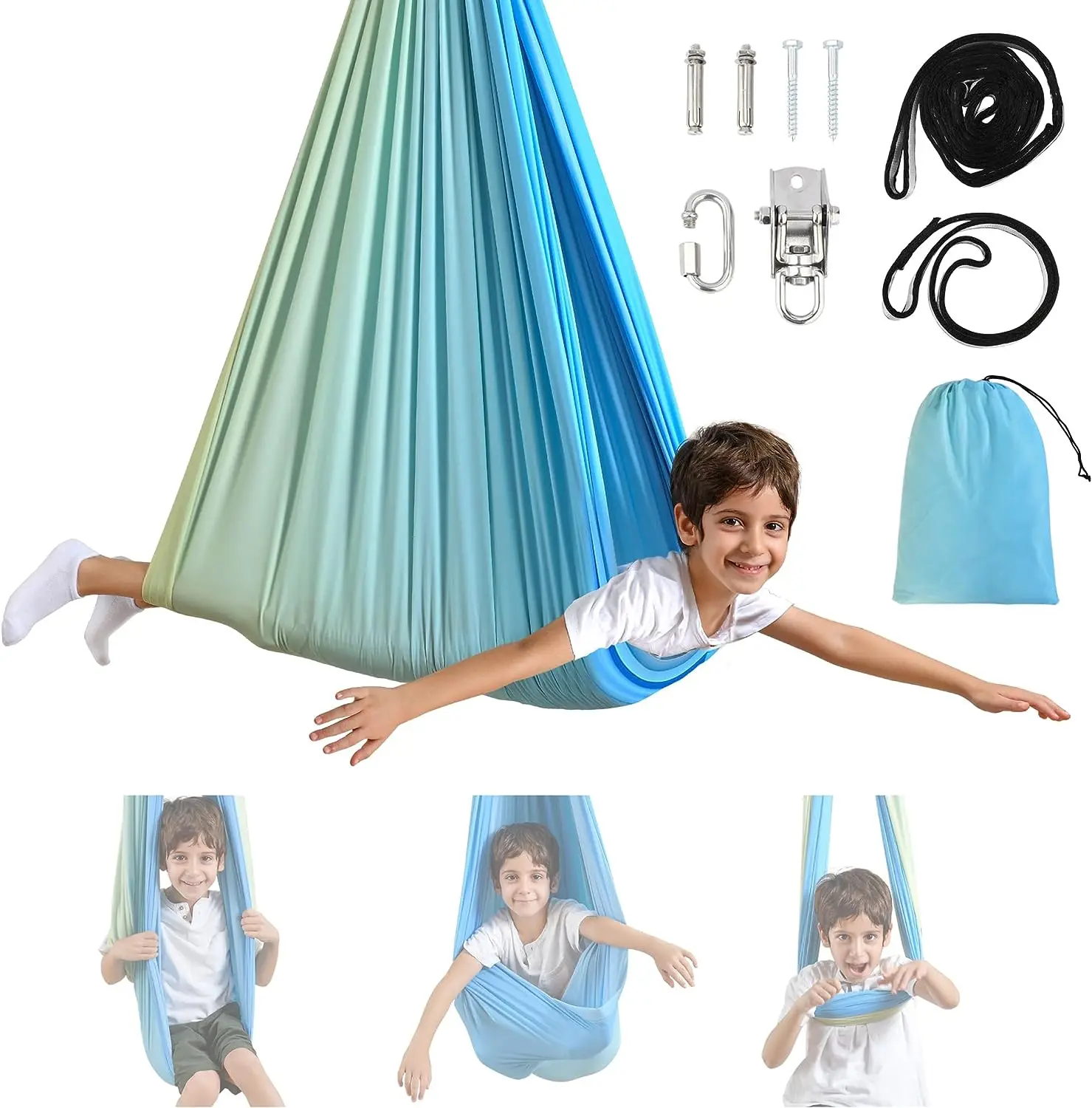
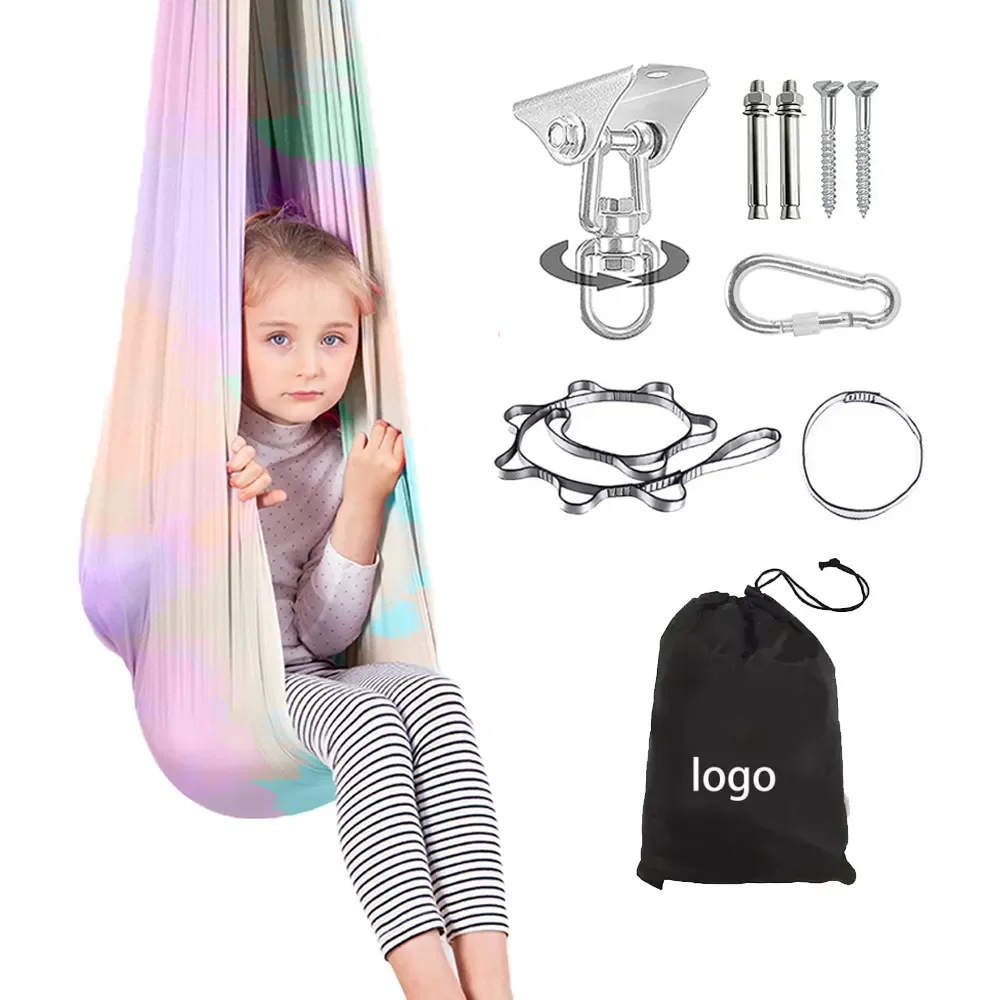
A sensory swing represents an innovative therapeutic and recreational tool designed to provide calming sensory experiences for children and adults of all abilities. The sensory swing combines gentle motion with varied textile materials to create a multisensory environment that promotes relaxation and emotional regulation. This specialized equipment functions as both a physical activity device and a therapeutic intervention tool, making it valuable in educational, clinical, and home settings.
The sensory swing features several technological innovations that enhance its effectiveness. The structure typically includes suspension systems engineered for safety and stability, allowing smooth, controlled swinging motions that stimulate the vestibular system. Premium materials used in sensory swings include soft fabrics, varied textures, and sometimes weighted components that provide deep pressure input. Many modern sensory swings incorporate adjustable heights and multiple suspension points to accommodate different user needs and preferences.
Applications for the sensory swing extend across numerous environments. Occupational therapists utilize sensory swings in clinical settings to help patients develop better balance, coordination, and sensory processing skills. Educational institutions integrate sensory swings into special education classrooms to support students with autism, ADHD, and sensory processing disorders. Mental health professionals recommend sensory swings for anxiety reduction and stress management. Home environments benefit from sensory swings as parents seek effective tools for helping children with sensory sensitivities. The versatility of the sensory swing makes it an essential resource for anyone seeking to improve sensory integration and emotional well-being through safe, enjoyable movement experiences.