
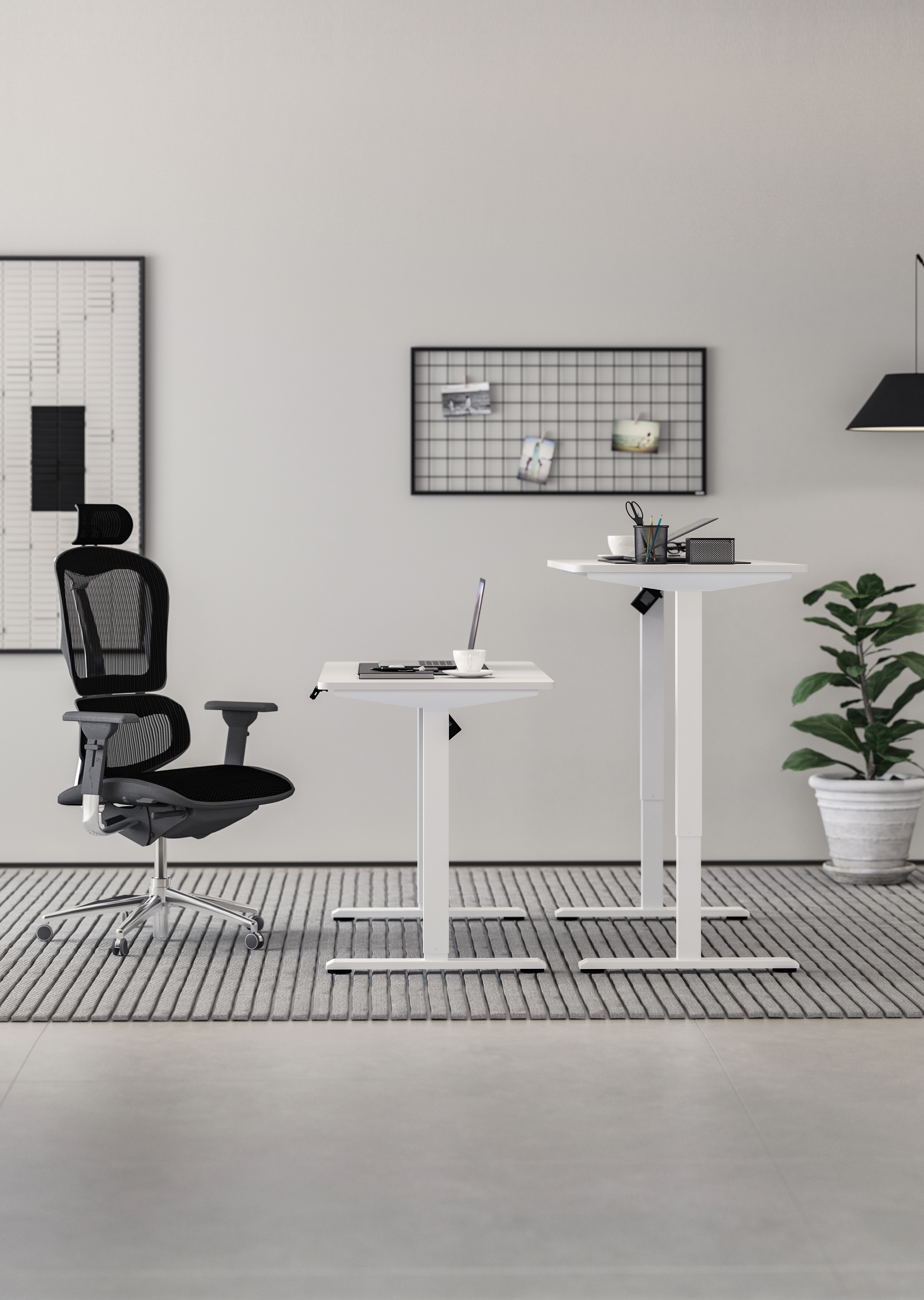
A sit-stand desk represents one of the most practical investments modern workplaces can make to enhance employee productivity and well-being. The ability to alternate between sitting and standing throughout the workday transforms how professionals engage with their tasks, reducing physical strain while maintaining focus and energy levels. Unlike traditional fixed desks that lock users into a single static position, a sit-stand desk empowers workers to adjust their workspace according to their comfort needs and work requirements. This flexibility directly impacts efficiency metrics across organizations, from reduced absenteeism to improved work quality.
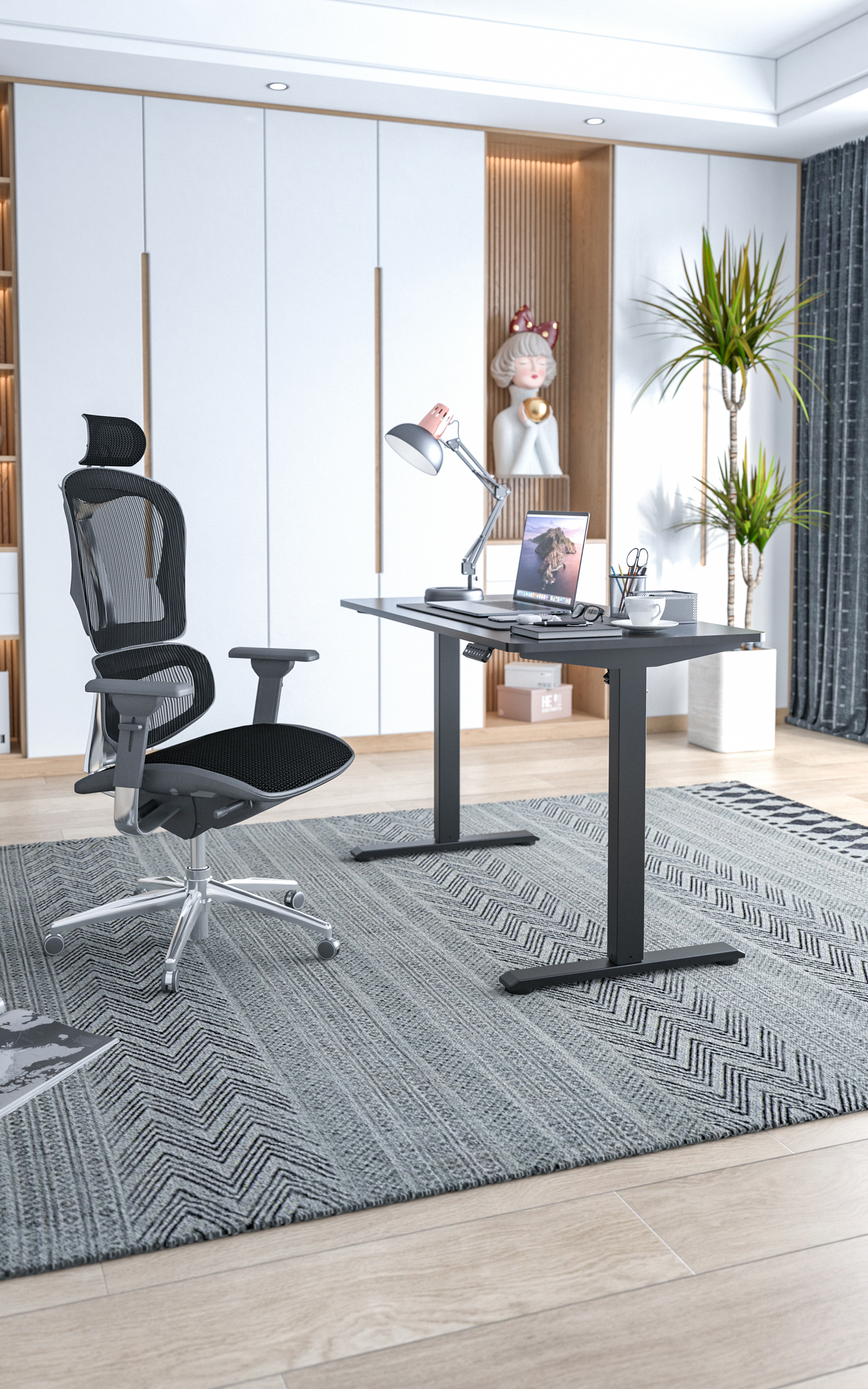
The efficiency gains from using a sit-stand desk extend far beyond simple comfort improvements. When employees experience less physical discomfort, their cognitive resources remain focused on actual work tasks rather than managing pain or fatigue. Research in workplace ergonomics demonstrates that sit-stand desk users report measurable increases in daily output, sharper decision-making abilities, and higher engagement levels during meetings and collaborative work sessions. Organizations that introduce sit-stand desk solutions typically observe productivity improvements within the first four weeks of implementation.
Reducing Physical Fatigue and Discomfort
The Impact of Static Posture on Work Output
Static posture represents one of the largest hidden productivity drains in modern offices. When workers remain in a fixed seated position for prolonged periods, several physiological processes activate that directly reduce work efficiency. Blood circulation becomes sluggish, vertebral discs experience cumulative compression, and muscle groups begin to atrophy from lack of engagement. A sit-stand desk interrupts this stagnation cycle by enabling frequent postural changes without requiring employees to leave their workspace or abandon their tasks. Each shift between sitting and standing activates different muscle groups, improving circulation and reducing the inflammatory response that comes from sustained immobility.
Energy Levels and Mental Acuity Throughout the Day
The relationship between postural variety and energy maintenance is profound and often underestimated by office managers. Employees using a sit-stand desk consistently report experiencing fewer energy crashes during the afternoon period when traditional seated workers typically experience the most significant productivity dips. The physical movement involved in transitioning between sitting and standing positions stimulates metabolism and promotes steady cortisol and blood sugar levels. This physiological stability directly translates into sustained mental clarity and sustained attention span. A sit-stand desk user can maintain optimal cognitive performance for longer periods because their body is receiving the postural variation it requires for homeostasis.
Enhancing Focus and Task Engagement
Postural Variety as a Cognitive Trigger
The human brain responds measurably to environmental and physical variation, making a sit-stand desk an effective cognitive tool beyond its ergonomic benefits. When users change their standing position or adjust desk height, the sensory input and proprioceptive feedback trigger mild neurological engagement that enhances alertness and focus. This principle explains why many professionals report feeling more mentally engaged when using a sit-stand desk compared to their previous static desk setups. The simple act of standing while reviewing a presentation or sitting during deep analytical work creates a subconscious association between task type and physical state, optimizing neural resources for specific work demands. A sit-stand desk facilitates this optimization by removing friction from postural transitions.
Movement Breaks Without Losing Productivity
Traditional productivity culture often presents movement breaks as interruptions that fragment workflow and reduce output. A sit-stand desk reframes movement as an integrated component of the work process itself. Employees can shift positions multiple times hourly without standing up from their workspace, losing their place, or context-switching away from active tasks. This seamless movement integration means workers receive the neurological and physiological benefits of position changes while maintaining continuous task engagement. Organizations that emphasize sit-stand desk usage observe that employees take fewer disruptive breaks because postural flexibility itself satisfies the body's need for movement variation.
Long-Term Health Outcomes That Support Workplace Efficiency
Reduced Injury Rates and Decreased Absenteeism
The efficiency benefits of a sit-stand desk compound over extended periods because of measurable reductions in work-related musculoskeletal injuries. Repetitive strain injuries, lower back pain, and cervical spine disorders represent leading causes of employee absence in many industries. When organizations deploy sit-stand desk solutions, the incidence of these conditions typically decreases significantly because employees experience less accumulated structural stress. The economic impact becomes substantial when calculating the cost of absenteeism, temporary replacement workers, and lost institutional knowledge. A sit-stand desk transforms from a furniture choice into a preventive health investment that directly protects organizational productivity and profitability.
Chronic Health Conditions and Workplace Participation
Employees managing chronic conditions such as diabetes, cardiovascular complications, or metabolic disorders often experience improved symptom management when using a sit-stand desk regularly. The postural variation supported by a sit-stand desk helps regulate blood glucose levels, reduce inflammatory markers, and maintain cardiovascular health more effectively than sedentary workstations. When employees feel physically better due to workplace ergonomics, their attendance rates improve and their engagement during work hours increases substantially. This creates a positive feedback cycle where sit-stand desk adoption leads to better health outcomes, which in turn supports more consistent and productive workplace participation. Organizations that recognize this connection typically achieve higher retention rates and lower healthcare costs for their employee populations.
FAQ
How frequently should employees change positions when using a sit-stand desk?
Research in occupational ergonomics suggests that an approximately 30-minute sitting interval followed by 20 minutes of standing represents an optimal rhythm for most workers using a sit-stand desk. This alternating pattern maximizes the physiological benefits while allowing sufficient time in each position for productive work focus. However, individual preferences vary significantly, and a sit-stand desk's primary advantage is that it enables each worker to find their personal optimal rhythm rather than forcing everyone into identical static positions. Some employees prefer more frequent changes while others benefit from longer intervals. The key efficiency advantage of a sit-stand desk is the flexibility itself rather than adherence to a specific schedule.
Can a sit-stand desk improve productivity for all types of work tasks?
A sit-stand desk provides productivity benefits across nearly all knowledge work environments, though the magnitude of improvement varies by task type. Employees engaged in detailed analytical work or creative problem-solving often report heightened focus when they can alternate positions freely. Tasks requiring collaborative communication, presentation delivery, or strategic planning frequently show significant efficiency gains from the postural variety a sit-stand desk enables. Even employees performing routine data entry or administrative tasks benefit from the physical variation and reduced fatigue that a sit-stand desk provides. The universal benefit of a sit-stand desk derives from its support for human physiology rather than from task-specific advantages.
What investment level is typically required to implement sit-stand desk solutions in an organization?
The upfront cost of deploying sit-stand desk furniture varies based on workspace size and equipment specifications, but organizations consistently report that the investment yields positive return calculations within 18 to 24 months. The productivity gains, reduced absenteeism, improved employee satisfaction, and decreased healthcare costs collectively outweigh the initial furniture expenditure for most enterprises. Many organizations implement sit-stand desk solutions gradually, starting with high-risk departments or employees managing documented health conditions. This phased approach allows IT infrastructure planning and provides opportunity to optimize workflow around sit-stand desk capabilities. The long-term efficiency and health benefits make a sit-stand desk a financially sound investment for organizations prioritizing sustainable workplace productivity.