
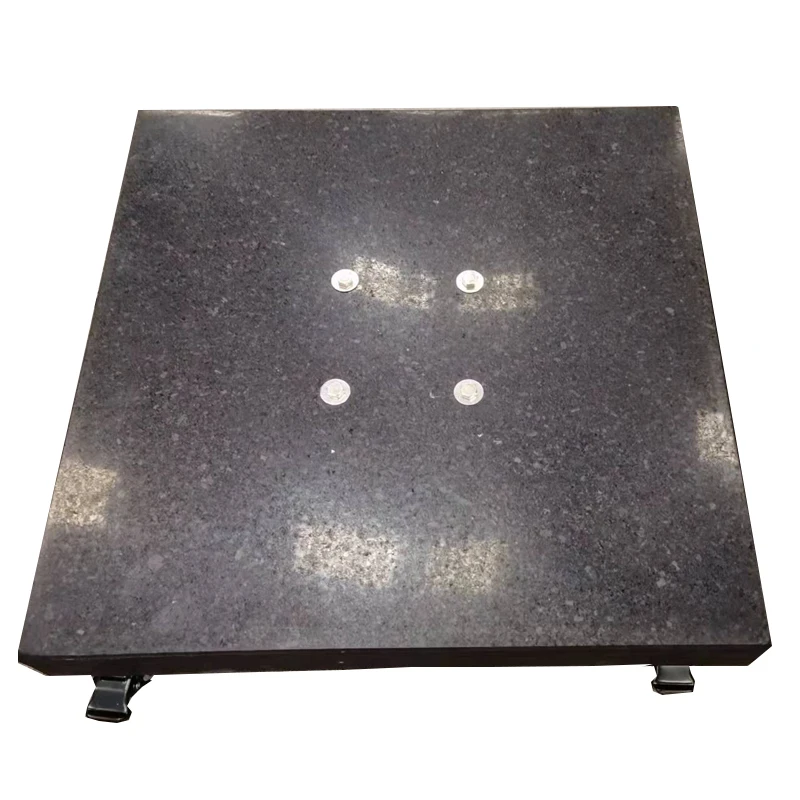
Selecting the right umbrella base for your outdoor commercial space is a critical investment decision that directly impacts both safety and longevity. Whether you operate a restaurant patio, hotel courtyard, retail outdoor seating area, or any commercial venue with outdoor furniture, the umbrella base you choose will determine how well your umbrellas withstand wind, weather, and constant use. Many business owners underestimate the importance of a quality umbrella base, focusing instead only on the umbrella canopy itself. This oversight can lead to tipped umbrellas, damaged furniture, customer injuries, and costly replacements. The right umbrella base provides stability, protects your guests, enhances your venue's appearance, and extends the lifespan of your entire outdoor setup.
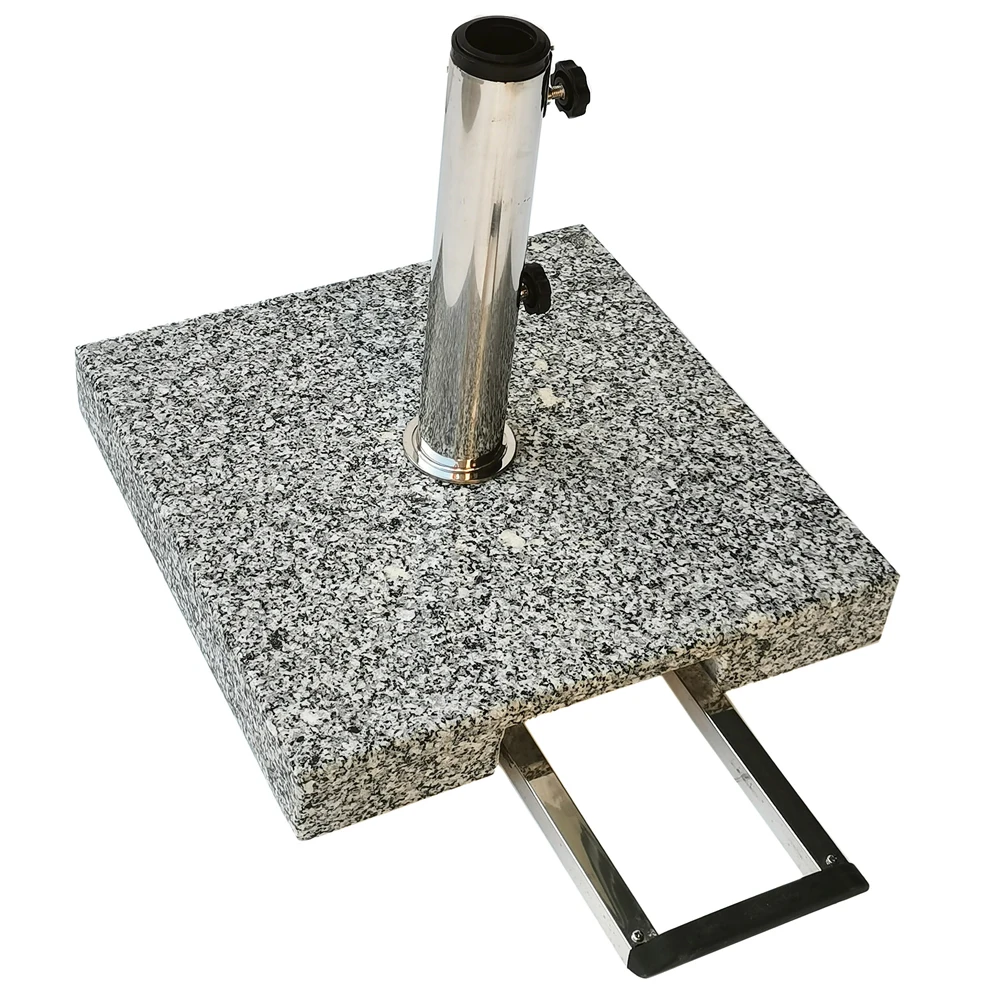
Choosing an umbrella base requires understanding several technical and practical factors that affect performance in real-world commercial environments. A poor choice can result in blown-over umbrellas on a windy day, customer dissatisfaction, liability concerns, and wasted capital. Conversely, a well-selected umbrella base becomes an asset that supports your business operations, protects your investment, and delivers years of reliable performance. This guide walks you through the essential criteria for selecting an umbrella base that matches your specific commercial needs, climate conditions, and aesthetic preferences.
Understanding Umbrella Base Weight and Stability Requirements
Determining the Right Weight for Your Commercial Space
The weight of your umbrella base is the single most important factor in preventing tip-overs and ensuring reliable stability. Commercial-grade umbrella base options typically range from 50 pounds to over 150 pounds, depending on the umbrella size and expected wind exposure. A lighter umbrella base may seem cost-effective initially, but it lacks the anchoring power needed for larger umbrellas in moderate to strong winds. When calculating the appropriate weight for your umbrella base, you must consider the umbrella canopy area, your location's typical wind speeds, and the frequency of guest movement around the seating area. For standard 6-foot to 9-foot umbrellas in calm to moderate climates, a umbrella base weighing 80 to 100 pounds typically provides adequate stability. For larger umbrellas or windy coastal and elevated locations, select an umbrella base weighing 120 pounds or more.
Material Choices That Affect Base Stability
The material composition of your umbrella base directly influences both its weight capacity and longevity. Concrete-filled umbrella base models offer exceptional weight and stability at reasonable cost, making them a popular choice for commercial settings. Resin-based umbrella base products provide lighter weight while maintaining substantial structural integrity, though they typically cost more. Plastic umbrella base options filled with sand or water allow for adjustable weight, giving you flexibility to increase stability as needed. Cast iron umbrella base designs deliver premium durability and aesthetic appeal, particularly suited for high-end hospitality venues. Stainless steel umbrella base selections excel in coastal environments where corrosion resistance is essential. When selecting your umbrella base material, balance the weight requirement with climate conditions, maintenance capacity, and your venue's design aesthetic.
Evaluating Durability and Weather Resistance
Surface Finishes and Coating Protection
A premium umbrella base must withstand constant exposure to rain, sun, temperature fluctuations, and occasional deicing salts. The finish applied to your umbrella base acts as the primary defense against rust, fading, and material degradation. Powder-coated umbrella base finishes create a durable protective layer that resists UV damage and salt spray, extending the life of the umbrella base significantly. Anodized aluminum umbrella base models offer corrosion resistance naturally, ideal for hospitality locations near salt water. Galvanized umbrella base options provide an economical path to rust prevention for standard commercial applications. When evaluating an umbrella base, examine the coating thickness and verify that it covers all exposed surfaces, including the bottom and interior components. A well-finished umbrella base maintains its appearance through seasons of use and resists unsightly deterioration that reflects poorly on your business.
Drainage and Water Management Features
Standing water trapped inside an umbrella base accelerates rust formation and creates breeding grounds for insects and mold. An effective umbrella base design includes drainage holes positioned to allow water to escape while retaining sufficient filler material. Some premium umbrella base models feature sloped interiors that naturally direct water toward drainage points. Check that your chosen umbrella base has adequate drainage capacity for your climate's rainfall intensity. A properly drained umbrella base maintains structural integrity through wet seasons and reduces maintenance requirements substantially. Testing drainage on your umbrella base during the first rain after installation ensures the system functions correctly and prevents future water damage.
Matching Umbrella Base Selection to Your Commercial Environment
Sizing and Umbrella Compatibility Factors
Your umbrella base must accommodate the pole diameter of your umbrellas without excessive wobble or instability. Standard commercial umbrella poles range from 1.5 inches to 2 inches in diameter, so verify that your umbrella base insert opening matches these specifications precisely. An umbrella base with an adjustable insert sleeve can accommodate multiple pole sizes, providing flexibility if you upgrade umbrellas in the future. The height of your umbrella base affects seating comfort and sightlines around your outdoor venue, so measure carefully to ensure your chosen umbrella base aligns with your furniture and layout goals. Additionally, consider whether your umbrella base will accommodate a tilt mechanism, which many commercial umbrellas feature for mid-day sun adjustment. A versatile umbrella base that adapts to your current and future needs protects your investment against changing business requirements.
Climate and Geographic Considerations
Your location's wind exposure, humidity levels, and temperature extremes directly determine which umbrella base specifications you need. Coastal and elevated venues require a heavier umbrella base with superior corrosion resistance compared to sheltered urban patios. An umbrella base designed for temperate climates may prove inadequate in regions prone to severe wind events or tropical humidity. Desert locations demand an umbrella base with UV-resistant finishes to prevent color fading and material brittleness from intense sun exposure. Cold climates where deicing salts are applied require an umbrella base with exceptional corrosion protection and robust construction. Research your specific geographic conditions and select an umbrella base built to thrive in those conditions rather than merely survive them. This tailored approach to umbrella base selection ensures maximum lifespan and minimal maintenance across years of commercial use.
FAQ
What weight should my umbrella base have for a 9-foot commercial umbrella?
For a standard 9-foot commercial umbrella in moderate climates, an umbrella base weighing 100 to 120 pounds provides reliable stability. Larger umbrella bases or locations with frequent strong winds warrant an umbrella base exceeding 120 pounds. Always consult your umbrella manufacturer's recommendations for the minimum umbrella base weight, as this reflects engineering testing data specific to that umbrella design.
Can I use a water-filled umbrella base instead of a concrete-filled one?
Water-filled or sand-filled umbrella base options offer adjustable weight and lower upfront cost, but they require regular maintenance to prevent algae growth, evaporation, or sand displacement. A concrete-filled umbrella base provides consistent performance without ongoing adjustments and typically delivers better long-term durability. Choose a water-filled umbrella base only if you can commit to regular inspection and maintenance schedules.
How do I maintain my commercial umbrella base to extend its life?
Maintaining your umbrella base involves regular inspections for cracks, rust, or coating damage, cleaning debris and moss growth, and verifying that drainage holes remain unobstructed. Annually touch up any chipped paint on your umbrella base to prevent rust initiation, and apply appropriate sealants or protective coatings based on the material type. Proper umbrella base maintenance can extend the lifespan by years and preserve your investment's structural integrity and appearance.