
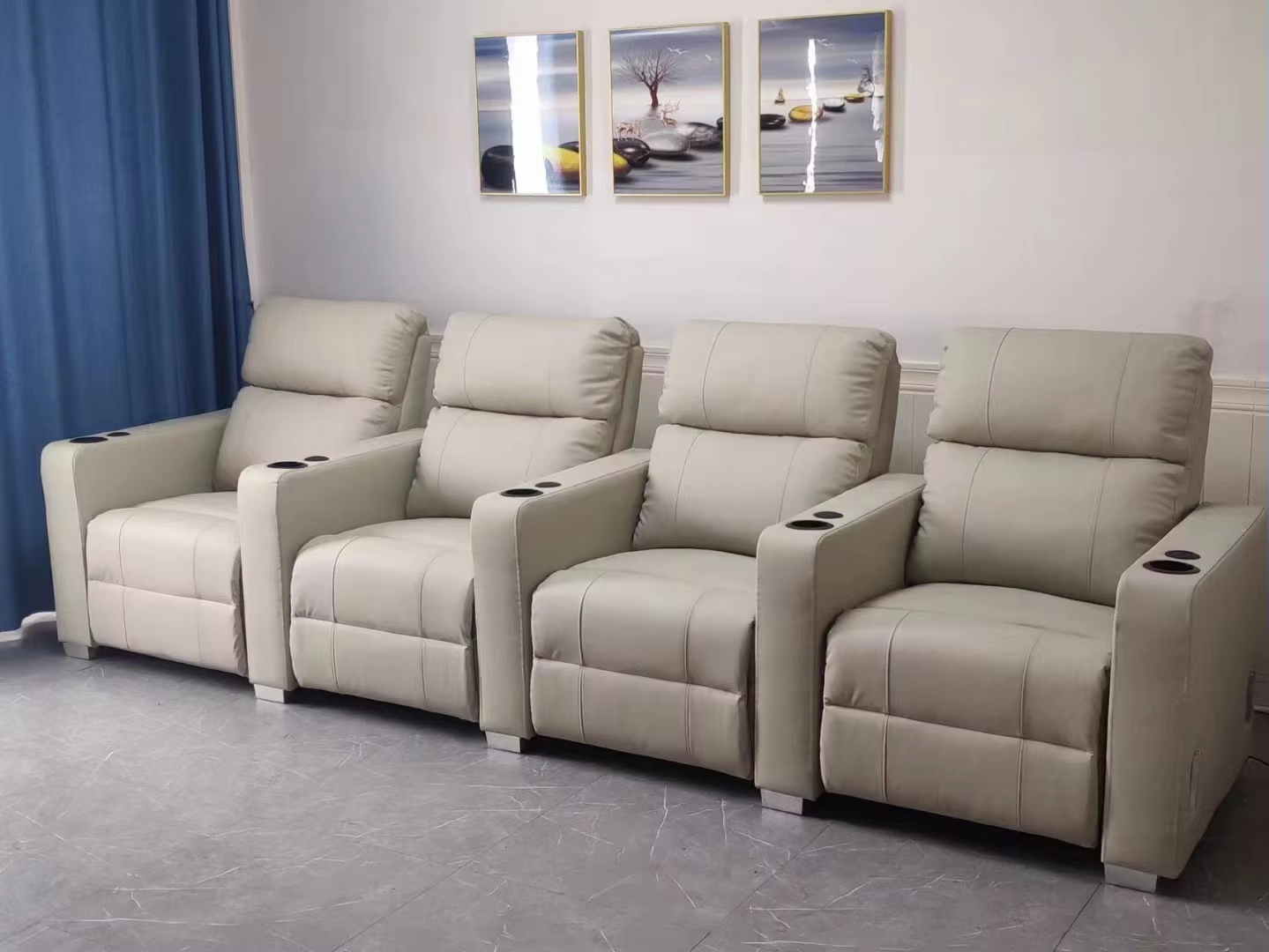
Selecting the right recliner chair for commercial environments requires a strategic approach that balances durability, comfort, and operational efficiency. Unlike residential purchases where personal preference dominates, commercial recliner chair selection demands careful evaluation of usage patterns, maintenance requirements, and long-term cost implications. The decision directly impacts customer satisfaction, operational costs, and business reputation across industries ranging from healthcare facilities to hospitality venues.
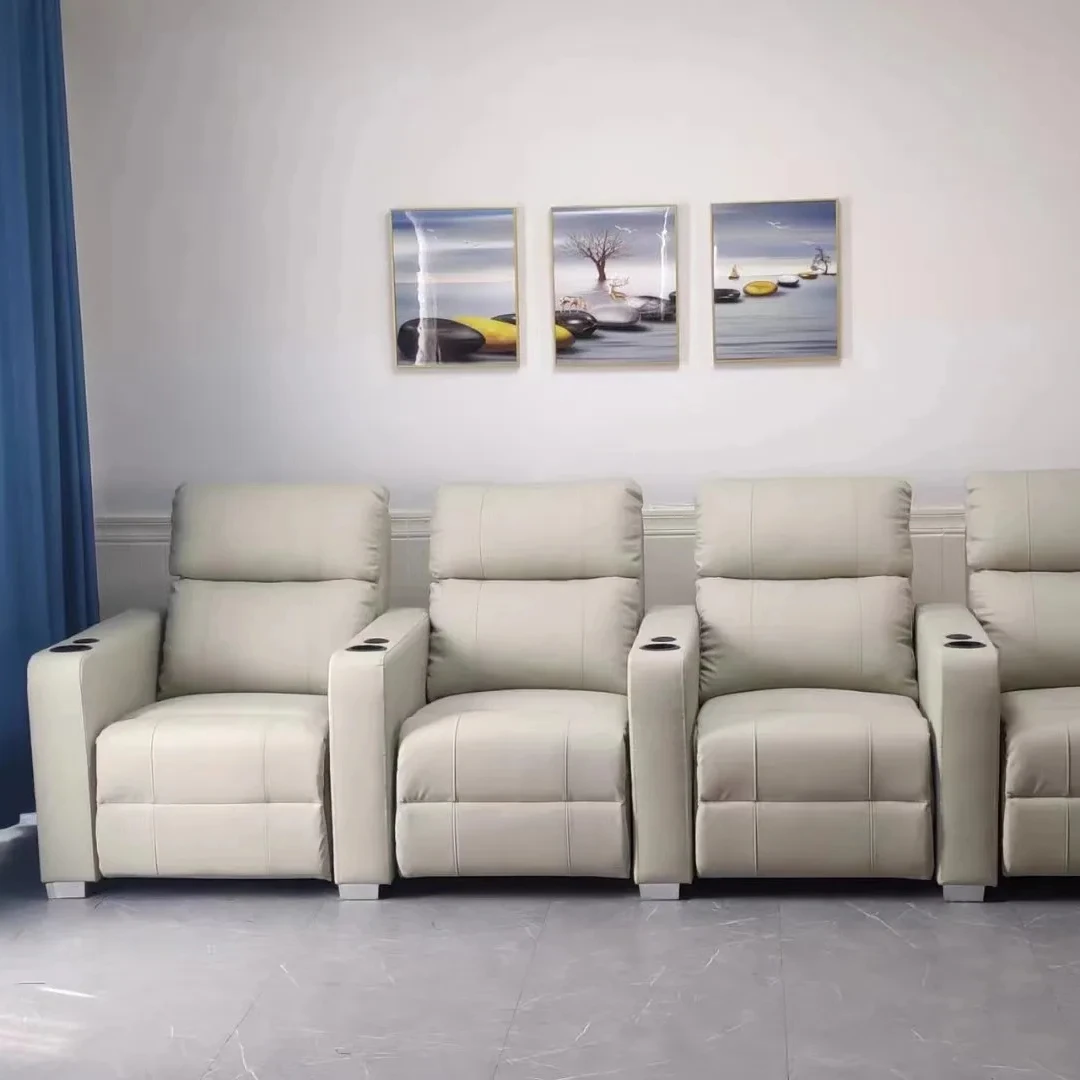
Commercial recliner chair procurement involves multiple stakeholders and stringent performance criteria that residential buyers rarely consider. Facility managers must evaluate fire safety compliance, infection control compatibility, and warranty provisions while ensuring the chosen recliner chair meets accessibility standards and supports diverse user demographics. Understanding these commercial-specific requirements forms the foundation for making informed purchasing decisions that deliver value over extended operational periods.
Understanding Commercial-Grade Construction Requirements
Frame Durability and Load Capacity Standards
Commercial recliner chair frames must withstand significantly higher usage frequencies compared to residential models, often accommodating multiple users daily across extended operational hours. Steel-reinforced hardwood frames provide superior longevity, while engineered composite materials offer lighter weight without compromising structural integrity. Load capacity specifications for commercial applications typically range from 300 to 500 pounds, ensuring the recliner chair accommodates diverse user populations safely.
Frame construction quality directly correlates with maintenance costs and replacement frequency in commercial settings. Joints reinforced with metal brackets, heavy-duty screws, and professional-grade adhesives prevent loosening under constant use. The recliner chair mechanism itself requires commercial-grade components, including reinforced springs, heavy-duty pistons, and corrosion-resistant hardware that maintains smooth operation despite intensive daily cycling.
Upholstery and Fabric Selection Criteria
Commercial upholstery selection for a recliner chair involves balancing durability, cleanability, and aesthetic appeal within budget constraints. Vinyl and synthetic leather options provide superior stain resistance and simplified cleaning protocols essential for healthcare and hospitality applications. However, fabric breathability considerations may favor high-performance textiles in climate-controlled environments where user comfort takes priority over maintenance convenience.
Fire retardancy compliance represents a non-negotiable requirement for commercial recliner chair upholstery, with specific standards varying by jurisdiction and building type. Class A fire ratings ensure regulatory compliance while antimicrobial treatments reduce infection risks in medical facilities. Colorfastness testing results guide selection decisions for environments with significant UV exposure, preventing premature fading that compromises professional appearance.
Mechanism Reliability and Safety Features
Commercial recliner chair mechanisms undergo rigorous testing protocols that exceed residential standards, typically rated for 25,000 to 50,000 operation cycles. Electric mechanisms offer precise positioning control and reduced physical effort for users with mobility limitations, though manual systems provide greater reliability and lower maintenance requirements. Safety features including anti-tip mechanisms, finger guards, and emergency stop functions protect users and reduce liability exposure.
Mechanism accessibility for maintenance and repair influences long-term operational costs significantly. Modular designs allow component replacement without complete unit disposal, while diagnostic capabilities in electronic systems facilitate troubleshooting. The recliner chair mechanism warranty should extend at least three years for commercial applications, with local service availability ensuring minimal downtime during repairs.
Analyzing Commercial Environment Requirements
Space Planning and Layout Considerations
Effective recliner chair placement requires comprehensive space analysis that accounts for full recline clearance, emergency egress requirements, and cleaning access. Standard commercial models require 72 to 84 inches of clearance behind the chair for complete recline operation, though compact designs may reduce this requirement to 48 inches. Traffic flow patterns and ADA accessibility guidelines influence optimal positioning within commercial spaces.
Modular recliner chair configurations enable flexible layouts that adapt to changing operational needs while maintaining consistent aesthetic appeal. Gang-seating options maximize space efficiency in waiting areas, though individual units provide greater user privacy and comfort. Weight distribution considerations affect flooring requirements, particularly for elevated installations where structural load limits apply.
User Demographics and Ergonomic Matching
Commercial recliner chair selection must accommodate diverse user populations with varying physical dimensions, mobility levels, and comfort preferences. Adjustable headrests, lumbar support, and armrest positions enable customization for different body types within a single model. Standard seat heights ranging from 17 to 19 inches accommodate most users, though adjustable-height options benefit facilities serving elderly or mobility-impaired populations.
Ergonomic validation through user testing identifies potential comfort issues before large-scale procurement. The recliner chair design should support proper spinal alignment across various recline positions while providing adequate support for extended sitting periods. Pressure distribution analysis helps prevent circulation problems during prolonged use, particularly important in medical and long-term care applications.
Cleaning and Maintenance Protocol Integration
Commercial cleaning protocols significantly influence recliner chair selection, as materials and construction methods must withstand frequent disinfection without degradation. Seamless upholstery designs minimize bacterial harboring while removable covers facilitate deep cleaning or replacement. Chemical compatibility testing ensures cleaning agents don't damage materials or compromise safety features over time.
Maintenance accessibility affects operational efficiency and service life expectancy for commercial installations. Clear access to mechanical components, easily replaceable wear items, and comprehensive service documentation support proactive maintenance programs. The recliner chair design should accommodate on-site service without requiring specialized tools or extensive disassembly procedures.
Evaluating Safety and Compliance Standards
Fire Safety and Building Code Requirements
Fire safety compliance for commercial recliner chair installations varies by building type, occupancy classification, and local jurisdiction requirements. California TB 117-2013 and TB 133 standards commonly apply to commercial upholstery, while healthcare facilities may require additional antimicrobial and fluid-resistant treatments. Flame spread ratings and smoke development indices must meet or exceed minimum thresholds specified in building codes.
Documentation requirements include manufacturer certifications, test reports, and installation records that demonstrate compliance during inspections. Fire marshal approval may be required for certain installations, particularly in assembly occupancies or healthcare facilities. The recliner chair manufacturer should provide comprehensive compliance documentation and support regulatory approval processes when required.
Accessibility and ADA Compliance Factors
Americans with Disabilities Act compliance influences commercial recliner chair selection through clear floor space requirements, transfer surface specifications, and operational force limitations. Seat heights between 17 and 19 inches facilitate safe transfers for wheelchair users, while armrest design affects transfer ease and stability. Control placement and operation force requirements ensure accessibility for users with limited dexterity or strength.
Clear floor space requirements mandate 30 by 48-inch minimum areas adjacent to accessible seating positions, influencing overall layout and capacity calculations. The recliner chair positioning must maintain accessible routes while providing equivalent amenities to standard seating areas. Companion seating provisions ensure compliance with ratio requirements for accessible versus standard seating.
Health and Safety Risk Assessment
Risk assessment for commercial recliner chair installations identifies potential injury sources and liability exposures that influence selection criteria. Entrapment hazards, particularly for pediatric or elderly users, require specific design features including finger guards and slow-closing mechanisms. Sharp edges, pinch points, and unstable positions pose additional safety concerns that proper design and maintenance protocols address.
Infection control considerations affect material selection and cleaning capability requirements in healthcare environments. Non-porous surfaces, antimicrobial treatments, and seamless construction reduce bacterial growth and facilitate thorough disinfection. The recliner chair design should minimize crevices and hard-to-clean areas while maintaining structural integrity and user comfort.
Cost Analysis and Procurement Strategy
Total Cost of Ownership Calculation
Total cost of ownership for commercial recliner chair procurement extends far beyond initial purchase price, encompassing maintenance, energy consumption, and replacement costs over the product lifecycle. Quality commercial units with higher initial costs often deliver superior value through reduced maintenance requirements and extended service life. Warranty provisions, parts availability, and service costs significantly impact long-term financial performance.
Energy consumption analysis applies primarily to electric recliner chair models, where standby power draw and operation efficiency affect utility costs over time. LED indicator lights, efficient motors, and intelligent standby modes reduce energy consumption without compromising functionality. The recliner chair selection should balance operational features with energy efficiency goals, particularly for large-scale installations.
Vendor Evaluation and Selection Criteria
Vendor evaluation for commercial recliner chair procurement requires assessment of manufacturing capabilities, quality assurance programs, and post-sale support infrastructure. Established manufacturers with commercial-specific product lines demonstrate understanding of institutional requirements and regulatory compliance. Local service networks ensure responsive maintenance support and minimize downtime during warranty periods.
Financial stability and business continuity of the recliner chair manufacturer affect parts availability and warranty coverage over extended periods. References from similar commercial installations provide valuable insights into real-world performance and service quality. Vendor capability to support custom specifications, delivery schedules, and installation requirements influences final selection decisions.
Lifecycle Planning and Replacement Strategies
Strategic lifecycle planning for commercial recliner chair fleets enables predictable replacement schedules and budget allocation while maintaining consistent service quality. Usage tracking and condition assessments identify replacement triggers before safety or comfort issues develop. Phased replacement programs maintain operational continuity while distributing capital expenditures across multiple budget cycles.
End-of-life planning includes disposal considerations, potential refurbishment opportunities, and asset recovery options that offset replacement costs. Sustainable disposal methods and recycling programs align with environmental stewardship goals while potentially providing tax benefits. The recliner chair design should facilitate component separation and material recovery when replacement becomes necessary.
Installation and Integration Considerations
Site Preparation and Infrastructure Requirements
Proper site preparation ensures successful commercial recliner chair installation and optimal long-term performance. Electrical requirements for powered units include adequate circuit capacity, GFCI protection, and accessible service panels for maintenance access. Floor anchoring requirements depend on usage patterns and safety regulations, with permanent installation often required in high-traffic areas.
Environmental controls including temperature, humidity, and air circulation affect recliner chair performance and user comfort significantly. Direct sunlight exposure accelerates upholstery degradation while inadequate ventilation promotes moisture accumulation in cushioning materials. HVAC coordination ensures optimal operating conditions while supporting infection control protocols in sensitive environments.
Integration with Facility Systems
Modern commercial facilities often require recliner chair integration with building management systems, nurse call networks, or customer service platforms. Sensor integration capabilities enable usage monitoring, maintenance scheduling, and emergency response coordination. Smart building compatibility ensures the recliner chair selection supports future technology upgrades without requiring complete replacement.
Communication system integration allows staff monitoring and assistance coordination, particularly valuable in healthcare and hospitality applications. Power management systems optimize energy consumption while maintaining operational readiness during peak usage periods. Data collection capabilities support facility optimization and user satisfaction analysis when properly implemented.
Training and Operational Procedures
Comprehensive staff training ensures proper recliner chair operation, routine maintenance, and safety protocol compliance throughout the service life. User instruction programs reduce equipment abuse and extend component life while improving customer satisfaction. Emergency procedures including manual override operations and evacuation protocols protect users during equipment malfunctions or facility emergencies.
Documentation systems track usage patterns, maintenance activities, and performance issues that inform future procurement decisions. Standard operating procedures ensure consistent service delivery across multiple staff members and shift changes. The recliner chair manufacturer should provide comprehensive training materials and ongoing support for operational staff.
FAQ
What is the typical lifespan of a commercial recliner chair?
Commercial recliner chairs typically last 8 to 12 years with proper maintenance, though usage intensity significantly affects longevity. High-traffic environments may require replacement every 5 to 7 years, while moderate-use applications can extend service life to 15 years or more. Quality construction, regular maintenance, and appropriate usage patterns are the primary factors determining actual service life in commercial settings.
How much clearance space is required for commercial recliner chair installation?
Standard commercial recliner chairs require 72 to 84 inches of clearance behind the seat for full recline operation, plus 30 inches minimum on one side for accessibility compliance. Wall-hugger designs reduce rear clearance requirements to 6 to 12 inches, making them suitable for space-constrained installations. Fire codes may mandate additional egress clearances that influence final spacing decisions.
What cleaning protocols are recommended for commercial recliner chairs?
Daily cleaning protocols typically include disinfectant wiping of all surfaces, vacuum cleaning of fabric areas, and inspection for damage or wear. Weekly deep cleaning involves detailed mechanical component inspection, thorough sanitization, and lubrication of moving parts as specified by the manufacturer. Healthcare environments may require additional antimicrobial treatments and documentation of cleaning activities for infection control compliance.
Are commercial recliner chairs compatible with existing furniture collections?
Many commercial recliner chair manufacturers offer customization options including fabric matching, color coordination, and design modifications to integrate with existing furniture collections. Standard commercial lines often include multiple upholstery options and finish choices that complement common commercial furniture styles. Custom manufacturing may be available for large orders requiring specific aesthetic or functional requirements not available in standard product lines.