
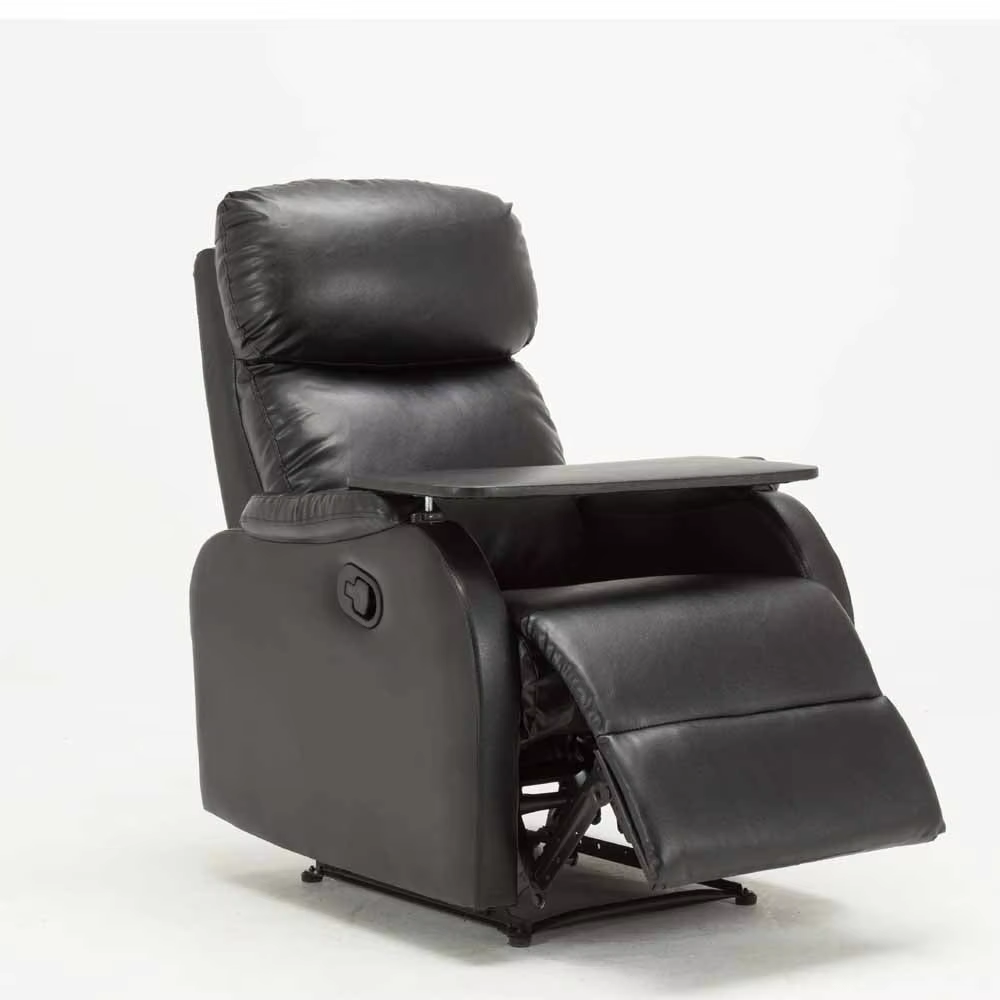
Understanding how a recliner chair improves user experience begins with recognizing the fundamental shift from static seating to adaptive comfort technology. Modern recliner chair designs transform the traditional sitting experience by offering personalized positioning, enhanced ergonomic support, and therapeutic benefits that address individual comfort needs throughout extended use periods.
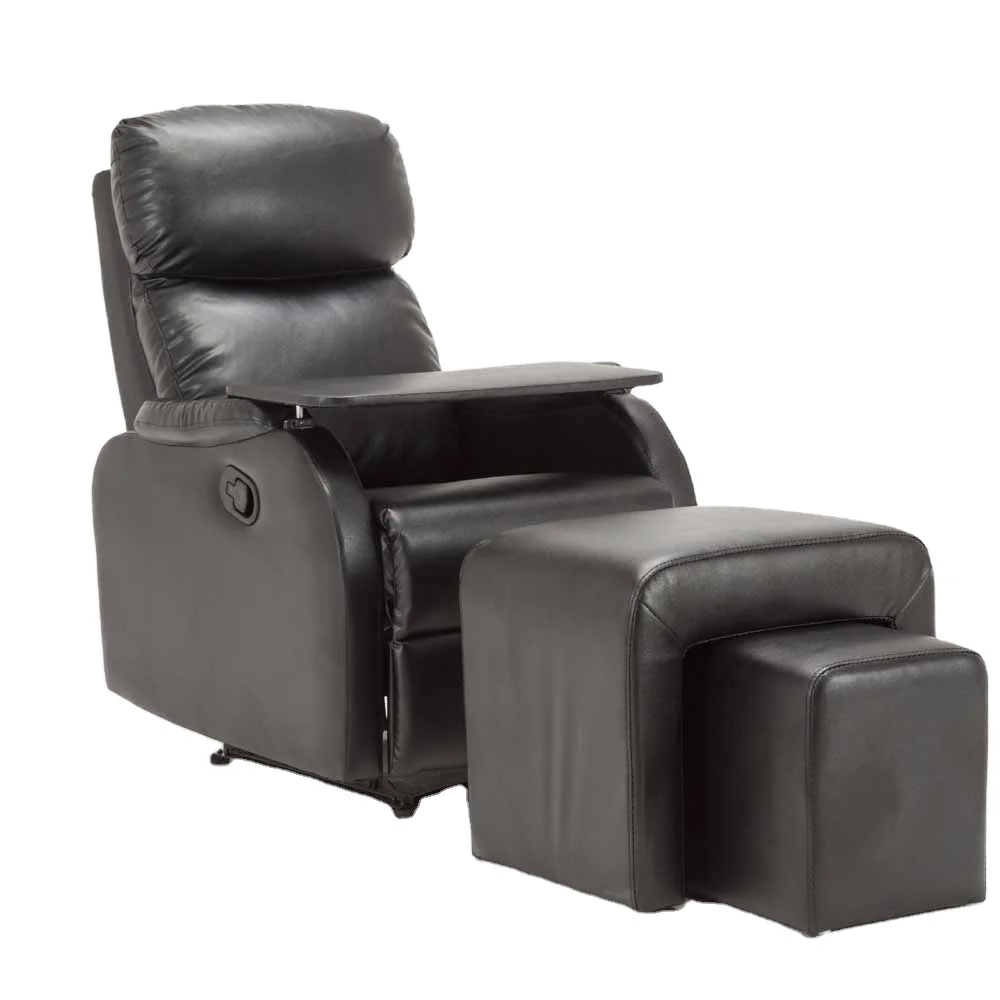
The user experience enhancement delivered by a recliner chair extends beyond basic relaxation to encompass measurable improvements in physical comfort, stress reduction, and overall satisfaction with furniture functionality. These improvements manifest through multiple interconnected mechanisms that work together to create a superior seating environment compared to conventional fixed-position chairs.
Physical Comfort Enhancement Mechanisms
Adaptive Positioning Technology
A recliner chair improves user experience through its core adaptive positioning system that allows users to modify their seating angle continuously throughout their use session. This technology enables the chair to accommodate different activities, from upright working positions to fully reclined relaxation modes, ensuring optimal comfort regardless of the intended use case.
The positioning mechanism in a modern recliner chair responds to user preferences by providing smooth transitions between angles, eliminating the discomfort associated with fixed seating positions. Users can adjust their position incrementally, finding their personal sweet spot for maximum comfort during extended sitting periods.
Advanced recliner chair models incorporate memory positioning features that remember user preferences, automatically returning to preferred angles with minimal user intervention. This automation reduces the cognitive load on users while ensuring consistent comfort delivery across multiple use sessions.
Pressure Distribution Optimization
The recliner chair design fundamentally improves user experience by redistributing body weight across a larger surface area compared to traditional upright seating. When the chair reclines, it shifts pressure away from concentrated points like the lower back and tailbone, spreading the load across the entire body contact surface.
This pressure redistribution mechanism reduces the formation of pressure points that typically cause discomfort during extended sitting sessions. Users experience less numbness, reduced circulation restriction, and decreased muscle tension as the recliner chair automatically adjusts to support natural body contours.
The ergonomic benefits of improved pressure distribution become particularly evident during long-duration use, where traditional chairs often create escalating discomfort levels. A quality recliner chair maintains comfort consistency throughout extended periods, preventing the need for frequent position adjustments.
Physiological Benefits and Health Improvements
Circulation Enhancement
A recliner chair significantly improves user experience by promoting better blood circulation through elevation positioning options. When users elevate their legs using the footrest mechanism, the chair facilitates improved venous return, reducing swelling and preventing the pooling of blood in lower extremities.
The circulation benefits extend beyond immediate comfort to provide measurable health improvements for users who spend significant time in seated positions. Regular use of a recliner chair with proper leg elevation can help reduce the risk of deep vein thrombosis and alleviate symptoms associated with poor circulation.
Medical professionals often recommend recliner chair use for patients with circulation concerns, recognizing the therapeutic value of position variation in maintaining healthy blood flow patterns. The chair's ability to facilitate these positioning changes without requiring user effort makes it particularly valuable for individuals with mobility limitations.
Spinal Alignment and Support
The ergonomic design of a modern recliner chair improves user experience by maintaining proper spinal alignment across multiple seating positions. Unlike fixed chairs that may force users into compromised postures, the recliner adapts to support the natural curves of the spine regardless of the selected angle.
Lumbar support integration in recliner chair designs provides targeted pressure relief for the lower back region, addressing one of the most common sources of seating discomfort. This support system adjusts automatically as the chair reclines, maintaining consistent support throughout the entire range of motion.
The spinal alignment benefits of a quality recliner chair become particularly evident for users with existing back problems or those at risk of developing posture-related issues. The chair's ability to reduce spinal stress while maintaining support creates a therapeutic seating environment that promotes long-term back health.
Psychological and Mental Well-being Impact
Stress Reduction Through Comfort
A recliner chair improves user experience by creating a dedicated relaxation environment that signals the body to reduce stress hormone production. The physical comfort provided by the chair's adaptive positioning triggers physiological relaxation responses, lowering cortisol levels and promoting mental well-being.
The psychological benefits of recliner chair use extend to improved sleep preparation and anxiety reduction. Users report feeling more relaxed and mentally prepared for rest after spending time in a comfortable reclining position, making the chair an valuable tool for stress management routines.
Research indicates that comfortable seating environments like those provided by a quality recliner chair can improve cognitive function by reducing the mental energy required to cope with physical discomfort. This cognitive load reduction allows users to focus more effectively on relaxation, entertainment, or light work activities.
Enhanced Entertainment and Leisure Experience
The user experience improvement delivered by a recliner chair becomes particularly evident during entertainment activities like watching television, reading, or listening to music. The chair's positioning flexibility allows users to optimize their viewing angles and comfort levels for different entertainment formats.
Modern recliner chair designs often incorporate additional features like built-in cup holders, storage compartments, and USB charging ports that enhance the overall entertainment experience. These integrated features eliminate the need for users to interrupt their relaxation to access beverages, snacks, or electronic devices.
The immersive comfort provided by a well-designed recliner chair enhances the quality of leisure time by allowing users to fully engage with their chosen activities without physical distractions. This enhanced engagement leads to more satisfying and restorative leisure experiences.
Accessibility and Universal Design Benefits
Mobility Assistance Features
A power recliner chair dramatically improves user experience for individuals with mobility challenges by providing motorized assistance for position changes. The electric lift mechanism helps users transition from seated to standing positions with minimal physical effort, reducing strain on joints and muscles.
The accessibility benefits of a modern recliner chair extend to users recovering from surgery, dealing with arthritis, or experiencing age-related mobility limitations. The chair's assistance features enable continued independence and comfort for users who might otherwise struggle with traditional seating options.
Remote control operation in advanced recliner chair models allows users to make comfort adjustments without physical manipulation of manual levers or mechanisms. This feature is particularly valuable for users with limited hand strength or dexterity, ensuring that comfort optimization remains accessible regardless of physical limitations.
Customization and Personalization Options
The user experience enhancement provided by a modern recliner chair includes extensive customization options that allow each user to tailor the seating experience to their specific preferences and needs. Memory foam padding, adjustable headrests, and variable firmness settings ensure that the chair can accommodate diverse user requirements.
Size variations in recliner chair offerings ensure that users of different heights and builds can find models that provide optimal fit and support. This size customization is crucial for maximizing the ergonomic benefits and comfort improvements that the chair is designed to deliver.
Advanced recliner chair models offer programmable positioning presets that allow multiple users to save and recall their preferred comfort settings. This personalization capability ensures that each user can quickly access their optimal seating configuration without manual adjustment processes.
Long-term Value and Durability Considerations
Investment in Daily Comfort
A quality recliner chair improves user experience by providing consistent comfort delivery over years of regular use. The durability of well-constructed recliners ensures that the initial comfort and support characteristics remain stable throughout the chair's service life, maintaining value for users over time.
The long-term health benefits associated with proper seating support make a recliner chair investment valuable beyond immediate comfort considerations. Users who prioritize ergonomic seating often report reduced back pain, improved posture, and better overall physical well-being after transitioning to quality recliner seating.
Maintenance requirements for modern recliner chair designs are minimal, ensuring that the user experience remains consistently positive without significant upkeep demands. Quality materials and construction methods reduce the likelihood of comfort-degrading wear patterns that might compromise the chair's performance over time.
Adaptability to Changing Needs
The versatility of a well-designed recliner chair allows it to adapt to changing user needs and preferences over time. As users age or experience changes in their physical condition, the chair's adjustability features continue to provide relevant comfort and support benefits.
Multi-functional design elements in modern recliner chair models ensure that the furniture remains relevant across different life stages and usage patterns. The chair can serve as a work seat during active periods and transition to a relaxation chair during recovery or leisure time.
The resale value retention of quality recliner chair models reflects their enduring appeal and functionality. Users who invest in well-constructed recliners often find that their furniture maintains significant value, making the initial investment more economically justified over the long term.
FAQ
What specific health benefits can I expect from using a recliner chair regularly?
Regular use of a recliner chair provides several measurable health benefits including improved circulation through leg elevation, reduced back strain through proper spinal alignment, and decreased muscle tension from optimized pressure distribution. Users typically experience less swelling in their legs, reduced lower back pain, and improved overall comfort during extended sitting periods. The positioning flexibility also helps prevent the development of pressure sores and reduces the risk of circulation-related complications.
How does the recliner chair mechanism affect the durability and maintenance requirements?
Modern recliner chair mechanisms are engineered for long-term reliability with minimal maintenance requirements. High-quality recliners use sealed bearing systems and heavy-duty springs that maintain smooth operation for years without adjustment. Electric models include overload protection and quality motors designed for frequent use. Basic maintenance typically involves periodic lubrication of moving parts and keeping the mechanism area clean, with most quality recliners requiring professional service only every several years under normal use conditions.
Can a recliner chair accommodate users of different sizes and physical limitations effectively?
Quality recliner chair designs accommodate diverse user needs through size variations, weight capacity options, and accessibility features. Models are available in petite, standard, and oversized configurations to match different body types and ensure proper ergonomic fit. Power lift features assist users with mobility limitations, while adjustable headrests, lumbar support, and armrest positions provide customization for various physical requirements. Many recliners support weight capacities up to 400 pounds or more while maintaining full functionality.
What should I consider when choosing a recliner chair to maximize user experience benefits?
Selecting a recliner chair for optimal user experience requires evaluating several key factors including your intended primary use, available space, and specific comfort preferences. Consider the reclining range, cushion firmness, upholstery material, and additional features like heat, massage, or power adjustment. Ensure the chair dimensions match your body size and the available room space when fully reclined. Test different models when possible to assess comfort levels and verify that the controls and mechanisms meet your usability requirements and any accessibility needs.
Table of Contents
- Physical Comfort Enhancement Mechanisms
- Physiological Benefits and Health Improvements
- Psychological and Mental Well-being Impact
- Accessibility and Universal Design Benefits
- Long-term Value and Durability Considerations
-
FAQ
- What specific health benefits can I expect from using a recliner chair regularly?
- How does the recliner chair mechanism affect the durability and maintenance requirements?
- Can a recliner chair accommodate users of different sizes and physical limitations effectively?
- What should I consider when choosing a recliner chair to maximize user experience benefits?