
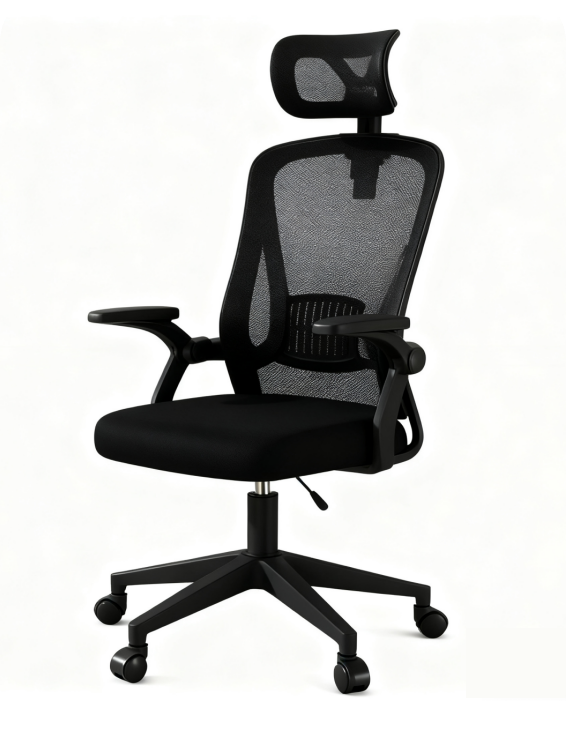
Selecting the right office chair for commercial use is one of the most important decisions a business can make for employee productivity and workplace health. A quality office chair supports proper posture, reduces musculoskeletal strain, and creates a professional appearance in any commercial environment. Many organizations overlook the significance of seating quality, yet the right office chair can directly impact employee comfort, retention, and long-term health outcomes in the workplace.
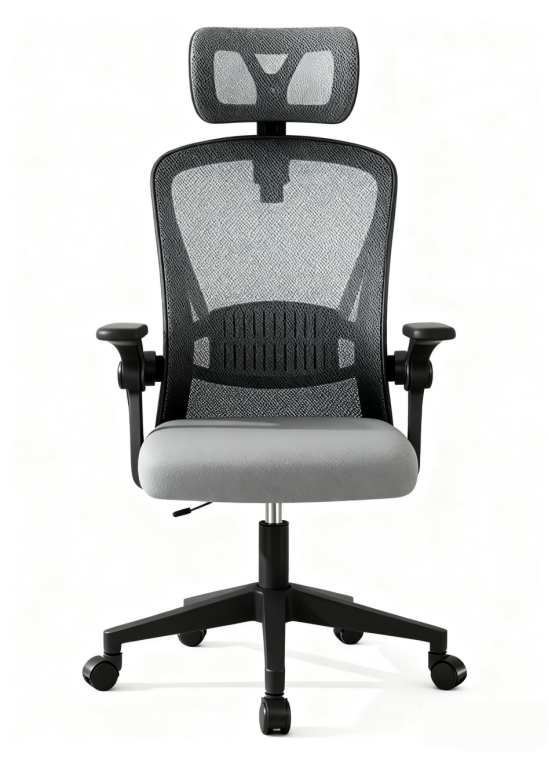
Commercial environments demand office chair solutions that balance durability, comfort, and cost-effectiveness across multiple users and extended operating hours. Whether you are furnishing a corporate office, call center, financial institution, or creative agency, the process of choosing an appropriate office chair requires careful evaluation of ergonomic standards, material quality, and specific workplace needs. This guide walks you through the essential factors that define a high-performing office chair in commercial settings.
Understanding Ergonomic Requirements for Commercial Office Chairs
Core Ergonomic Features in an Office Chair
An effective office chair for commercial use must incorporate specific ergonomic features that align with modern workplace standards. The lumbar support system is critical—a supportive office chair should provide adjustable lower back support to accommodate different spinal curves and body types across your workforce. Seat height adjustability is non-negotiable; an office chair must allow users to position their feet flat on the floor while maintaining a 90-degree knee angle, preventing circulation issues and promoting comfort during extended sitting sessions.
Armrest functionality represents another defining characteristic of a well-designed office chair. Commercial-grade armrests should be adjustable both in height and width to reduce shoulder strain and support different arm positions throughout the workday. The seat depth and width must accommodate diverse body types, ensuring no employee feels restricted or uncomfortable in the company's office chair. Backrest recline capability adds flexibility, allowing users to shift positions during the day and reduce fatigue in a quality office chair.
Material Durability and Construction Standards
Commercial environments require an office chair constructed from materials built for heavy daily use. The upholstery should resist staining, tearing, and degradation from frequent contact and cleaning. Mesh fabrics offer breathability and easy maintenance in an office chair, while high-performance textiles provide durability without sacrificing comfort. The base structure must use reinforced metal or high-grade polymer components that withstand repeated movement and support maximum weight ratings suitable for diverse employees.
The caster wheels on an office chair significantly impact mobility and floor protection. Hard-surfaced casters preserve carpet integrity while soft-surfaced casters protect hard flooring—choosing the right type for your commercial space ensures your office chair performs optimally without damaging workplace surfaces. A robust gas cylinder and tilt mechanism define a commercial-grade office chair that maintains function over thousands of cycles of adjustment and movement.
Assessing Commercial Space Requirements and Budget Considerations
Space Constraints and Layout Planning
Different commercial environments demand different office chair specifications based on spatial configuration. Open-plan offices benefit from compact office chair designs that optimize floor space while maintaining ergonomic integrity. Executive offices may accommodate larger, feature-rich office chair models that project professionalism and authority. A call center requires an office chair engineered specifically for prolonged sitting, with maximum adjustability and support features that prevent fatigue-related productivity loss.
Consider aisle width, desk proximity, and movement patterns when selecting your office chair style. A commercial office chair with a mid-back design occupies less vertical space than a high-back alternative, making it ideal for lower-ceiling areas or workstations with overhead storage. Measure your actual workspace carefully before committing to any office chair model to ensure it integrates seamlessly with existing furniture and workflow patterns.
Budget and Total Cost of Ownership
While initial purchase price matters, the total cost of ownership for an office chair extends far beyond the sticker price in commercial contexts. A less expensive office chair requiring frequent repairs or replacement represents hidden costs through downtime and maintenance labor. Investing in a mid-to-premium office chair with proven durability and manufacturer support typically delivers superior long-term value across dozens or hundreds of units in a commercial operation.
Warranty coverage, replacement part availability, and manufacturer support distinguish a prudent office chair investment from a problematic one. Look for commercial-grade office chair providers offering extended warranties, bulk pricing, and dedicated customer service for organizations purchasing multiple units. Calculate the per-unit cost over five years of expected use to make an informed office chair selection that aligns with your business budget and risk tolerance.
Evaluating Health Benefits and Employee Satisfaction Outcomes
Long-Term Health Impact of Quality Office Chair Selection
Providing an appropriate office chair demonstrates corporate commitment to employee wellness and reduces workers' compensation claims related to repetitive strain injuries. A properly engineered office chair prevents chronic back pain, neck strain, and shoulder tension that plague workers in uncomfortable seating environments. Companies investing in quality office chair solutions report decreased absenteeism and improved employee morale, as workers appreciate the tangible investment in their physical wellbeing during work hours.
The connection between seating quality and cognitive performance is well-established—employees working in inadequate office chair conditions experience fatigue and reduced focus that directly impact productivity metrics. A supportive office chair enables workers to concentrate on tasks rather than managing discomfort, driving measurable improvements in output quality and speed. Healthcare costs associated with workplace injuries decline significantly when organizations prioritize ergonomic office chair selection and implementation.
User Feedback and Customization Options
Successful office chair implementations in commercial settings often include employee input during the selection process. Different departments or roles may benefit from different office chair configurations—technical staff might prefer specialized gaming-style chairs for extended sessions, while management offices require executive office chair aesthetics. Offering adjustable components within a chosen office chair model ensures individual customization while maintaining budget and procurement consistency across departments.
Pilot testing before large-scale office chair purchasing allows real-world validation of comfort, durability, and performance in your specific commercial environment. Gathering systematic feedback from representative employees using sample office chair models prevents costly mistakes and ensures organizational buy-in for the final selection. A well-chosen office chair becomes a source of employee satisfaction rather than silent frustration with workplace infrastructure.
FAQ
What specific measurements should I verify when selecting an office chair for my commercial space?
Verify seat height range (ideally 16–20 inches from floor), seat depth (approximately 16–18 inches for most body types), armrest height adjustment capability, backrest height coverage, overall width including armrests, and base diameter. Measure your actual desk height and employee heights to ensure the office chair allows proper ergonomic positioning. Test seat firmness and lumbar support adjustment with representative employees before purchasing the office chair model for your entire commercial operation.
How do I balance aesthetic preferences with ergonomic requirements when choosing an office chair?
Modern commercial-grade office chair manufacturers offer designs that combine professional appearance with robust ergonomic features, eliminating the false choice between form and function. Select an office chair in colors and materials matching your corporate aesthetic while prioritizing adjustability, support systems, and durability specifications. A premium office chair elevates workplace professionalism through both visual design and the implied message that your organization values employee comfort and health.
What warranty and support should I expect from a commercial office chair supplier?
Reputable commercial office chair providers typically offer 5–10 year warranties covering structural components and mechanisms, with 1–3 year upholstery coverage. Verify that replacement parts are readily available through authorized channels and that the office chair manufacturer maintains responsive customer service for bulk orders. Confirm whether the office chair supplier offers repair services, delivery coordination, or assembly support—these factors significantly impact total cost of ownership and operational convenience for your commercial organization.