
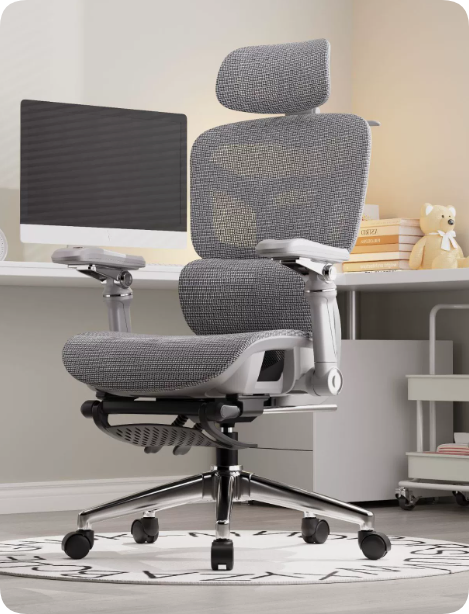
An office chair is far more than just a place to sit during your workday. The right office chair directly influences your physical health, productivity, and long-term workplace wellness. Poor seating choices lead to chronic back pain, neck strain, reduced focus, and decreased performance over time. Understanding how an office chair improves workplace ergonomics helps you make informed decisions about your work environment and protect your body from injury and discomfort.
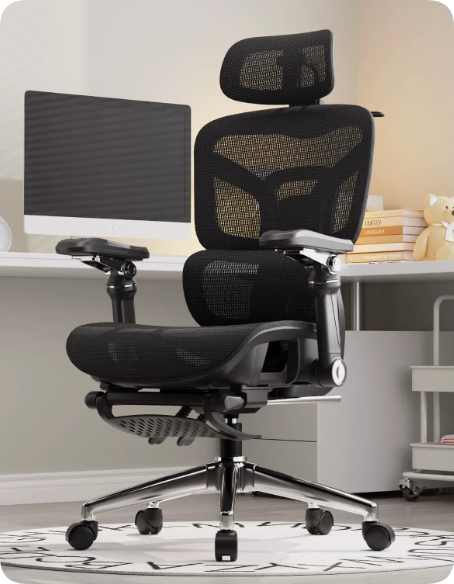
Workplace ergonomics fundamentally depends on equipment that supports your body's natural alignment. An office chair equipped with proper lumbar support, adjustable height, and responsive cushioning creates the foundation for healthy sitting throughout your day. When your office chair aligns with your body's needs, you experience reduced fatigue, improved circulation, and sustained concentration. This article explains the specific mechanisms through which an office chair enhances ergonomics and the critical features you should prioritize.
Core Ergonomic Support Features of an Office Chair
Lumbar Support and Spinal Alignment
The lumbar region of your spine curves naturally inward, and most people sit in positions that flatten this curve or create excessive forward bending. A quality office chair provides adjustable lumbar support that maintains your spine's natural S-curve throughout the day. This support prevents the slouching posture that leads to disc compression and chronic lower back pain. When your office chair correctly supports your lumbar spine, the muscles around your lower back relax, reducing strain and allowing better focus on work tasks rather than physical discomfort.
Seat Height and Desk Alignment
An office chair with proper height adjustment ensures your feet rest flat on the floor or a footrest while your thighs remain parallel to the ground. This positioning reduces pressure on your legs, improves circulation, and prevents the leg numbness that occurs when chair height forces excessive hip or knee bending. The correct office chair height also aligns your elbows with your desk surface, preventing shoulder strain from reaching too high or too low. Without this alignment, an office chair becomes a source of postural problems rather than ergonomic support.
How Adjustability Transforms Workspace Comfort
Individual Customization Through Adjustable Features
Every person has a unique body shape, height, and sitting preference, which is why an office chair must offer multiple adjustment options. Seat height, backrest recline, armrest height, and lumbar depth all require individual fine-tuning to match your specific needs. A static office chair cannot adapt to these differences, inevitably creating pressure points, muscle tension, or postural strain for most users. When your office chair offers comprehensive adjustability, you move beyond one-size-fits-all discomfort and enter a state of personalized support that matches your actual body measurements and preferences.
Adaptation for Extended Sitting Sessions
Long workdays demand that your office chair accommodate position changes throughout the hours you spend seated. Tilt tension adjustment, recline lock, and flexible armrests allow you to shift your sitting angle periodically, preventing static muscle fatigue and nerve compression. An office chair that supports varied sitting positions encourages micro-movements that maintain circulation and engage different muscle groups. This dynamic support system within your office chair prevents the cumulative strain that causes end-of-day exhaustion and chronic pain patterns.
Materials and Design That Enable Sustained Ergonomic Performance
Breathable Seating Surfaces and Temperature Regulation
Mesh and breathable materials in an office chair prevent heat buildup and moisture accumulation during extended sitting. When your office chair traps heat, your skin temperature rises, increasing discomfort and promoting poor circulation in the compressed areas where you sit. Ventilated designs keep your legs and lower back cooler, allowing your blood vessels to maintain normal function and nutrient delivery to pressurized tissues. A high-quality office chair balances cushioning comfort with breathability to sustain ergonomic effectiveness throughout your entire workday.
Responsive Cushioning and Pressure Distribution
Dense cushioning that responds to your body weight creates balanced pressure distribution across your seat and backrest. An office chair with inadequate or overly soft cushioning creates pressure concentrations that reduce circulation and cause discomfort within an hour or two of sitting. Memory foam and high-resilience foam in a modern office chair conform to your body contours while maintaining support structure, preventing the bottoming-out effect that damages ergonomic positioning. This engineered cushioning approach ensures your office chair delivers consistent ergonomic benefit without gradually degrading under daily use.
FAQ
What specific back pain problems can the right office chair prevent?
The right office chair prevents lower back pain, upper back strain, and neck tension that result from poor seating posture. By supporting your lumbar spine and maintaining neutral spinal alignment, an office chair reduces disc pressure and prevents muscle fatigue that accumulates during long workdays. Proper office chair ergonomics also minimizes nerve compression and inflammation that develop from sustained postural stress.
How often should I adjust my office chair settings for optimal ergonomics?
You should adjust your office chair whenever you notice discomfort, experience postural drift, or change your work setup. Most professionals benefit from checking office chair alignment at the start of each workday and making small adjustments as needed throughout the day. An office chair with easy-access adjustment controls makes these micro-optimizations simple and encourages you to maintain proper positioning continuously.
Can an expensive office chair guarantee freedom from workplace pain?
While a quality office chair significantly reduces pain risk and discomfort probability, it works best combined with good posture habits, regular movement breaks, and proper desk height alignment. An office chair provides the ergonomic foundation, but you must actively use the adjustment features and practice healthy sitting positions to maximize benefits. An investment in a well-designed office chair substantially improves your workplace ergonomics when paired with awareness and consistent application of proper seating technique.